World's first subsea desalination plant launches in 2026
As water scarcity intensifies worldwide, a Norwegian startup plans to turn the deep ocean into an unlikely source of freshwater. Flocean expects to launch its first commercial subsea desalination system later this year.
18th January 2026
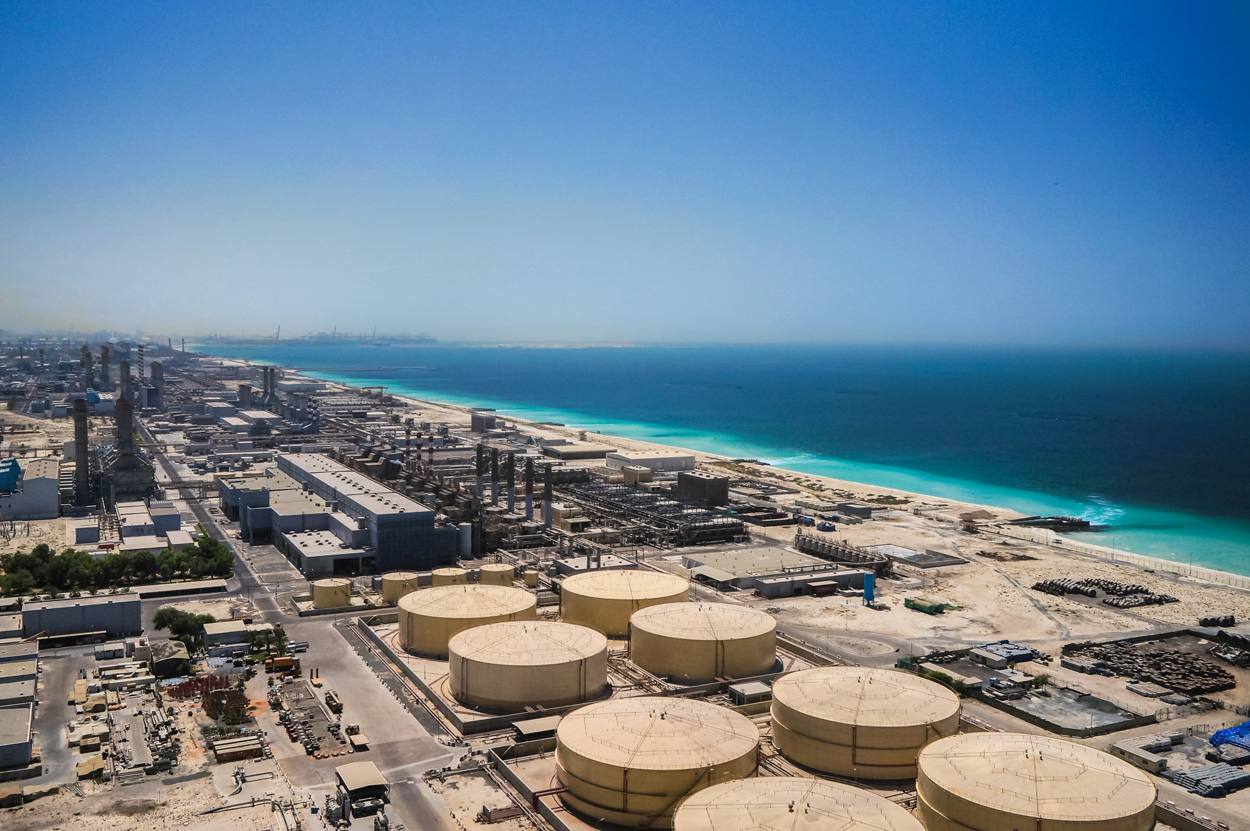
Freshwater shortages already affect billions of people, and climate change continues to strain rivers, reservoirs and groundwater supplies. Many coastal regions sit beside vast oceans yet struggle to secure clean drinking water in an affordable and sustainable way. Desalination offers one possible solution, but traditional plants often consume large amounts of energy, occupy valuable coastal land and raise concerns over environmental impacts. These challenges have driven interest in alternative approaches that could deliver freshwater more efficiently.
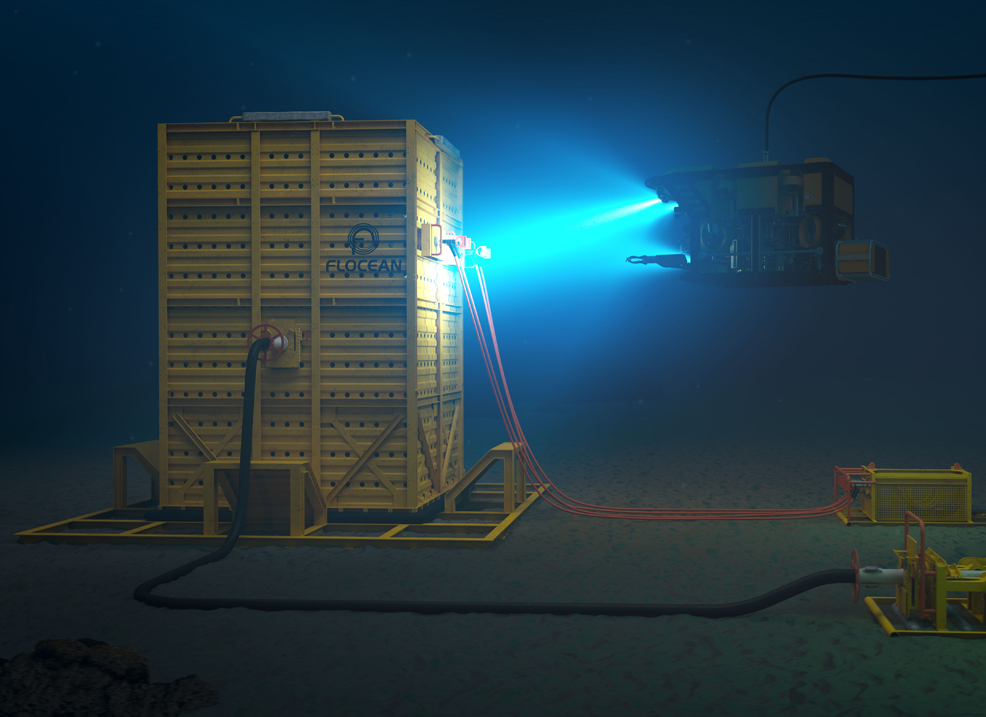
Founded in 2024 and based in Norway, Flocean has developed a radically different way to remove salt from seawater. Rather than building large facilities on land, the company places its systems hundreds of metres below the ocean surface. Flocean's approach has already attracted international attention, with Time magazine selecting its technology as one of the Best Inventions of 2025.
The core idea behind subsea desalination is surprisingly simple. At depth, the pressure of seawater increases naturally, reaching levels that conventional reverse osmosis systems normally generate using powerful pumps. Land-based desalination plants must expend large amounts of electricity to force water through membranes that separate salt from freshwater. Flocean allows the ocean itself to freely supply much of that pressure, reducing the energy required to produce drinkable water.
According to the company, its subsea systems can reduce capital costs per unit of capacity by a factor of seven to eight, while cutting energy consumption and associated greenhouse gas emissions by 50%. The area of coastal land required for such infrastructure is reduced by a massive 95%, easing land acquisition and permitting delays. Chemical pre-treatment is eliminated entirely, and waste brine can simply disperse at depth without toxic additives, avoiding the concentrated surface discharges typical of conventional plants.
Read more:
https://www.futuretimeline.net/blog/202 ... n-2026.htm