18th January 2026 World's first subsea desalination plant launches in 2026 As water scarcity intensifies worldwide, a Norwegian startup plans to turn the deep ocean into an unlikely source of freshwater. Flocean expects to launch its first commercial subsea desalination system later this year.
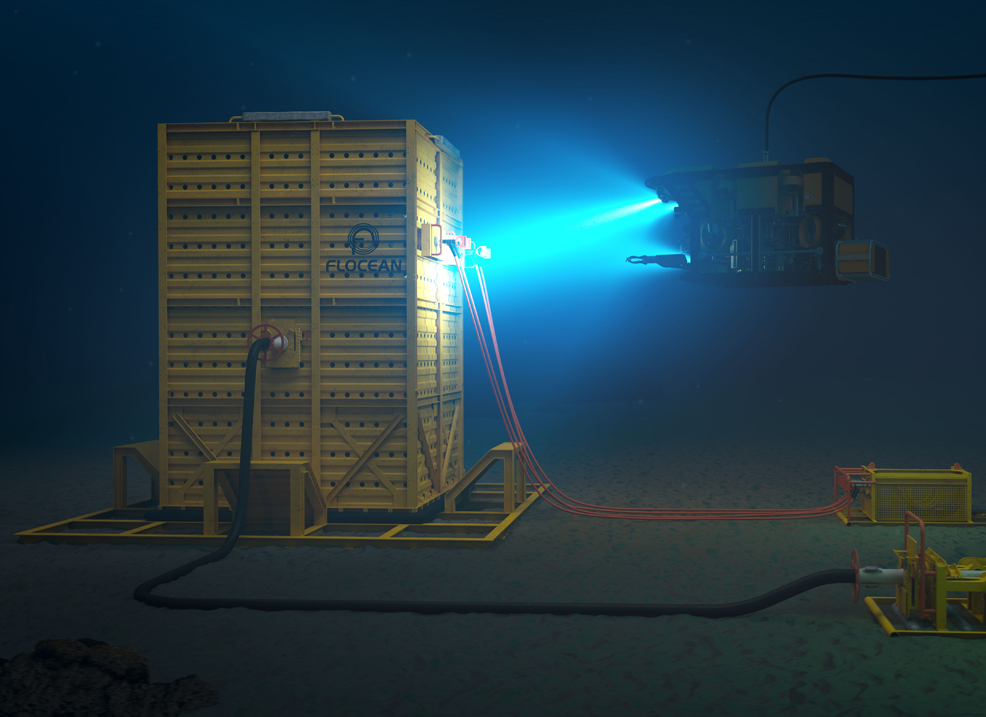
Freshwater shortages already affect billions of people, and climate change continues to strain rivers, reservoirs and groundwater supplies. Many coastal regions sit beside vast oceans yet struggle to secure clean drinking water in an affordable and sustainable way. Desalination offers one possible solution, but traditional plants often consume large amounts of energy, occupy valuable coastal land and raise concerns over environmental impacts. These challenges have driven interest in alternative approaches that could deliver freshwater more efficiently. Founded in 2024 and based in Norway, Flocean has developed a radically different way to remove salt from seawater. Rather than building large facilities on land, the company places its systems hundreds of metres below the ocean surface. Flocean's approach has already attracted international attention, with Time magazine selecting its technology as one of the Best Inventions of 2025. The core idea behind subsea desalination is surprisingly simple. At depth, the pressure of seawater increases naturally, reaching levels that conventional reverse osmosis systems normally generate using powerful pumps. Land-based desalination plants must expend large amounts of electricity to force water through membranes that separate salt from freshwater. Flocean allows the ocean itself to freely supply much of that pressure, reducing the energy required to produce drinkable water. According to the company, its subsea systems can reduce capital costs per unit of capacity by a factor of seven to eight, while cutting energy consumption and associated greenhouse gas emissions by 50%. The area of coastal land required for such infrastructure is reduced by a massive 95%, easing land acquisition and permitting delays. Chemical pre-treatment is eliminated entirely, and waste brine can simply disperse at depth without toxic additives, avoiding the concentrated surface discharges typical of conventional plants.
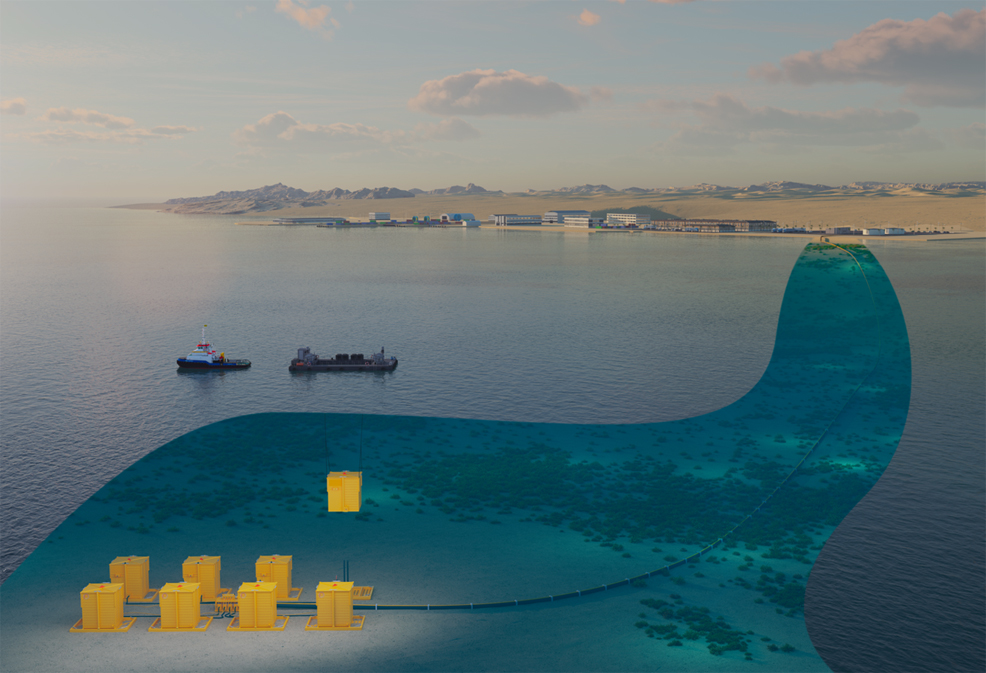
There are still challenges, such as corrosion, biofouling, and long-term maintenance in harsh offshore conditions, but engineers at Flocean have spent the past year testing components under real-world conditions, 500 metres (1,640 ft) below the sea. The company plans to deploy its first commercial system, known as Flocean One, near Mongstad on Norway's west coast, in 2026. Each unit can produce up to 1,000 cubic metres of freshwater per day – enough to supply around 37,500 people – with modular designs that allow multiple systems to operate together for higher output. "Our philosophy is to keep the subsea units the same, and scale by multiplication, rather than by building ever bigger machines," said Alexander Fuglesang, company founder and CEO, in a recent interview with New Scientist. A recent extension of Flocean's Series A funding round to NOK 228 million (US$22.5 million), which now includes backing from Xylem – a Fortune 500 global water solutions firm – has strengthened its ability to move from testing to commercial operation. Later this year, the launch of Flocean One should provide the first real performance data from a fully operational subsea desalination plant. Engineers and policymakers will watch closely to see how the system performs over extended periods. If the technology delivers on its promise, subsea desalination could become an important new tool for coastal regions seeking reliable freshwater supplies in a warming and increasingly water-stressed world. "We're not making an incremental improvement – we're changing the fundamental economics of water," said Fuglesang. "Water-intensive industries from semiconductors to data centres to mining are increasingly constrained by water scarcity. They need solutions that can deploy faster, cost less, and operate more sustainably. That's exactly what subsea desalination delivers."
Comments »
If you enjoyed this article, please consider sharing it:
|