weatheriscool wrote: ↑Wed Feb 28, 2024 3:42 pm
Intel will continue to pursue a very aggressive node progression strategy even after its "five nodes in four years" campaign theoretically ends in 2025 when Intel 18A arrives. Assuming 1.8nm launches next year, the company will follow it up with 1.4nm in 2026, then leap to 1nm in 2027.
From what read yesterday, it seems, that Intel just arbitrary sets a "new node", when it's between 14 and 15% better than the previous node. "Intel 4" is supposedly "~15% better" than "Intel 7". Whatever that means. I find those names rather illusory and deceptive. Wouldn't treat them too seriously.

If 10A is 14.5% better than 14A, which is supposedly 14.5% better than 18A, which is 14.5% better (?) than 20A, which is 14.5% (?) better than "Intel 3", which is 14.5% (?) better than "Intel 7" (the legacy name was "10nm") <-- that is being used in current products, like Intel "Raptor Lake" and "Emerald Rapids" ("
Xeon Scalable 5th Gen"), then Intel 10A (1nm) would possibly be 96.8% "better" overall, than current "Intel 7" (or "10nm"). Perhaps in 2027, 2028 or 2029, Intel products could be ... about 2 times better I guess?

2x would be nicer than what they offer now...

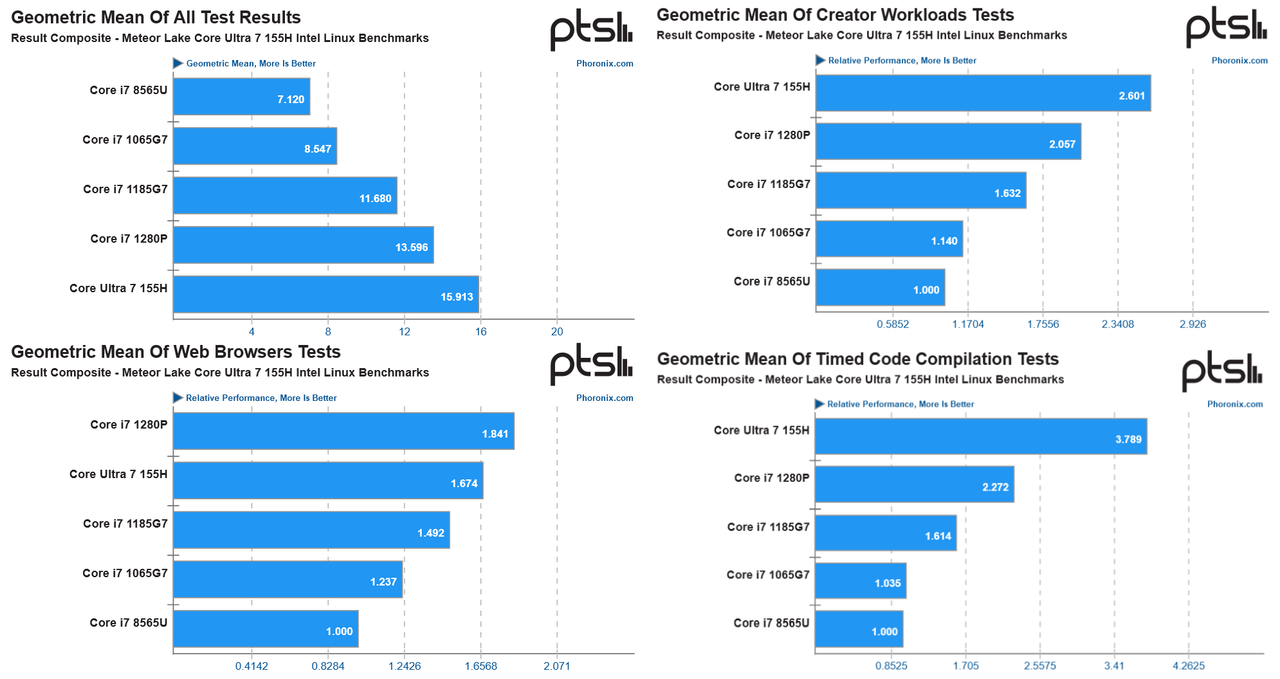
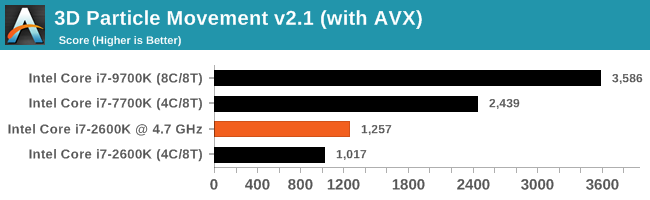
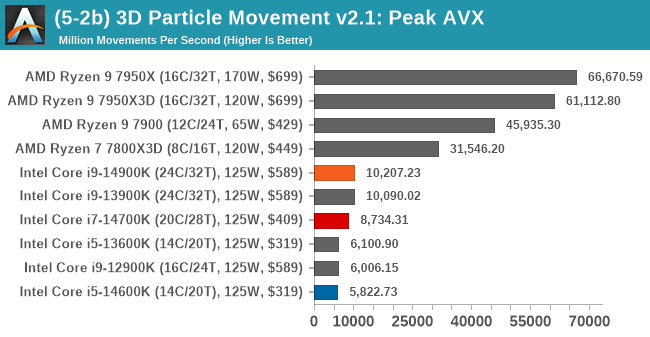
i3-12100 (Golden Cove cores) at 3.9 GHz probably uses about half the energy of i7-7700K (January 2017) at 5.0 GHz, with very similar performance in most tasks. And PlayStation 5 "Slim" on "TSMC 6nm" uses ~180 watts, while having somewhere between 5 and 7x performance of ~120 watts "28nm" PlayStation 4 (and being significantly less noisy).
Sheer performance is not enough. More concerning are problems like Windows backup still being difficult to set up, cloud storages for some unknow reason deleting your files permanently (in tens of GBs), search engines not getting any better or bots prowling the web and spamming.






 2x would be nicer than what they offer now...