published yesterday
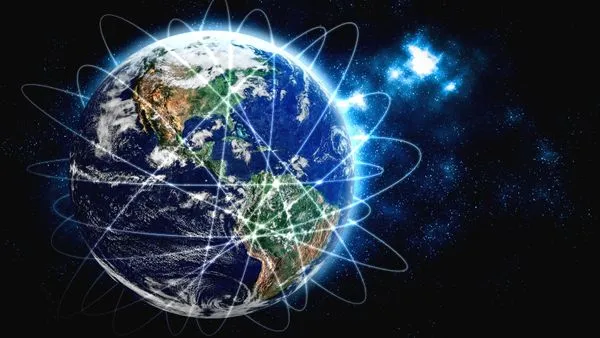
By converting data into light particles and beaming them around the world using satellites, we could prevent encrypted messages from being intercepted by a superpowerful quantum computer, scientists claim.
Currently, messaging technology relies on mathematical, or cryptographic, methods of protection, including end-to-end encryption. This technology is used in WhatsApp — as well as by corporations, the government and the military — to protect sensitive data from being intercepted.
Encryption works by scrambling data or text into what appears to be nonsense, using an algorithm and a key that only the sender and recipient can use to unlock the data. These algorithms can, in theory, be cracked. But they are designed to be so complex that even the fastest supercomputers would take millions of years to translate the data into something readable.
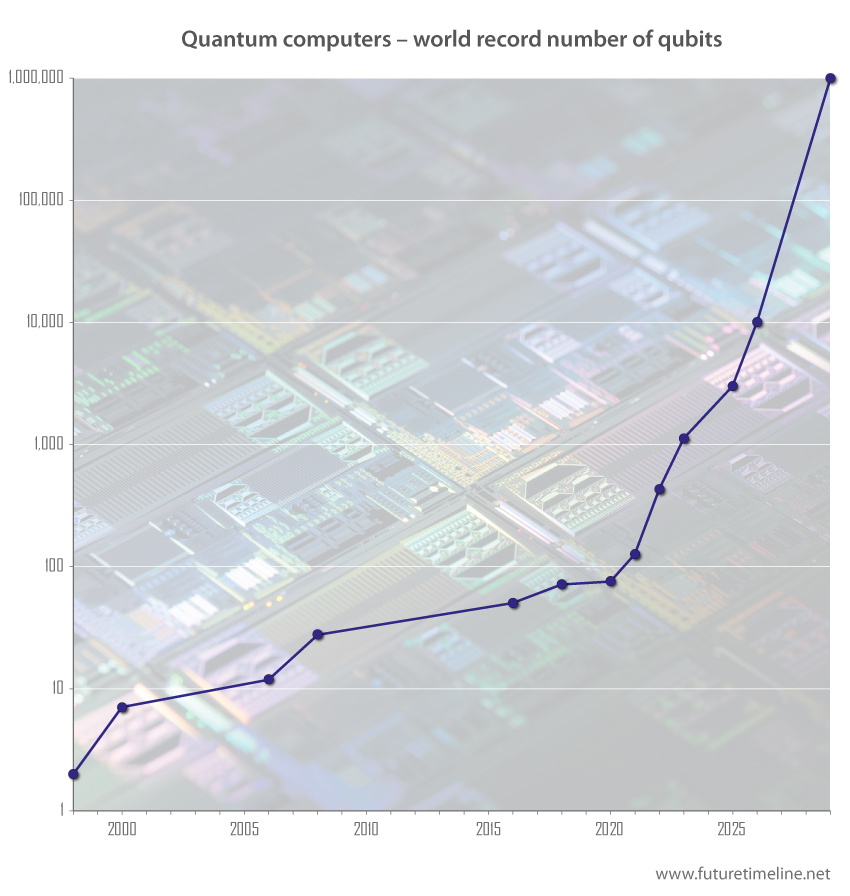
Quantum computers change the equation. Although the field is young, scientists predict that such machines will be powerful enough to easily break encryption algorithms someday. This is because they can process exponentially greater calculations in parallel (depending on how many qubits they use), whereas classical computers can process calculations only in sequence.
Fearing that quantum computers will render encryption obsolete someday, scientists are proposing new technologies to protect sensitive communications. One field, known as "quantum cryptography," involves building systems that can protect data from encryption-beating quantum computers.