Hope, despair and CRISPR — the race to save one woman’s life
https://www.nature.com/articles/d41586-024-01716-y
The Brain: Alzheimer's and dementia news and discussions
-
firestar464
- Posts: 7674
- Joined: Wed Oct 12, 2022 7:45 am
-
weatheriscool
- Posts: 25206
- Joined: Sun May 16, 2021 6:16 pm
- Contact:
Re: The Brain: Alzheimer's and dementia news and discussions
Link between gut microbiota and Parkinson's disease points to potential therapeutic route
by Nagoya University
by Nagoya University
https://medicalxpress.com/news/2024-06- ... sease.htmlA study led by Nagoya University Graduate School of Medicine in Japan has revealed a link between gut microbiota and Parkinson's disease (PD). The researchers found a reduction in the gut bacteria of genes responsible for synthesizing the essential B vitamins B2 and B7.
They also identified a relationship between the lack of these genes and low levels of agents that help maintain the integrity of the intestinal barrier. This barrier prevents toxins from entering the bloodstream, which causes the inflammation seen in PD. Their findings, published in npj Parkinson's Disease, suggest that treatment with B vitamins to address these deficiencies can be used to treat PD.
PD is characterized by a variety of physical symptoms that hinder daily activities and mobility, such as shaking, slow movement, stiffness, and balance problems. While the frequency of PD may vary between different populations, it is estimated to affect approximately 1-2% of individuals aged 55 years or older.
-
weatheriscool
- Posts: 25206
- Joined: Sun May 16, 2021 6:16 pm
- Contact:
-
weatheriscool
- Posts: 25206
- Joined: Sun May 16, 2021 6:16 pm
- Contact:
Re: The Brain: Alzheimer's and dementia news and discussions
Quick, accurate autism test possible after gut link discovery
By Paul McClure
July 09, 2024
By Paul McClure
July 09, 2024
https://newatlas.com/health-wellbeing/a ... icrobiome/Autism spectrum disorder is associated with distinct changes to the composition and functioning of a wide range of gut microorganisms, according to a new study. The findings pave the way for developing an accurate diagnostic test for the condition.
The microbiome’s central role in regulating the gut-brain axis and impacting health has gained prominence in the past decade. Prior research has linked the composition of gut bacteria to brain-related conditions like depression, PTSD and Alzheimer’s disease, and multiple sclerosis.
New research by the Chinese University of Hong Kong (CUHK) in China looked beyond only gut bacteria and found that changes in the composition and functioning of both bacterial and non-bacterial microorganisms are associated with autism spectrum disorder (ASD).
-
weatheriscool
- Posts: 25206
- Joined: Sun May 16, 2021 6:16 pm
- Contact:
Re: The Brain: Alzheimer's and dementia news and discussions
One-dose nasal spray clears toxic Alzheimer's proteins to improve memory
By Paul McClure
July 23, 2024
By Paul McClure
July 23, 2024
https://newatlas.com/health-wellbeing/n ... lzheimers/One dose of a new treatment, delivered by nasal spray, clears away build-ups of the toxic tau protein associated with Alzheimer’s disease from inside brain cells, improving memory, according to new research. It paves the way for new treatments for the debilitating disease.
A few years ago, abnormal clumps of tau proteins in the brain were found to be associated with Alzheimer’s disease. Since then, researchers have been working on a way of eradicating these toxic tangles, which have become a hallmark of the degenerative disease.
Now, researchers from the University of Texas Medical Branch (UTMB) have developed a breakthrough nasal spray containing antibodies that selectively target and clear away tau tangles, helping to restore cognitive function.
“This nasal spray approach opens new avenues for non-invasive delivery of tau therapeutic antibodies directly to the brain, and it holds promise for many neurogenerative diseases,” said Dr. Rakez Kayed, professor at the Department of Neurology at UTMB and the study’s corresponding author. “Our research highlights the potential of nasal tau immunotherapy to effectively target intracellular tau aggregates – a primary driver of neurodegeneration and cognitive decline in diseases like Alzheimer’s and other tauopathies.”
-
weatheriscool
- Posts: 25206
- Joined: Sun May 16, 2021 6:16 pm
- Contact:
-
Time_Traveller

- Posts: 3025
- Joined: Sun May 16, 2021 4:49 pm
- Location: New York City, USA, November 5th 2032 C.E.
Re: The Brain: Alzheimer's and dementia news and discussions
Man who ate toast for five years inspires high-tech spoon enhancing flavours for people with dementia
This feels like its on borderline with this thread but please move if needed. However, this does make sense to create a spoon like this.
https://news.sky.com/story/man-who-ate- ... s-13185110Friday 26 July 2024 21:41, UK
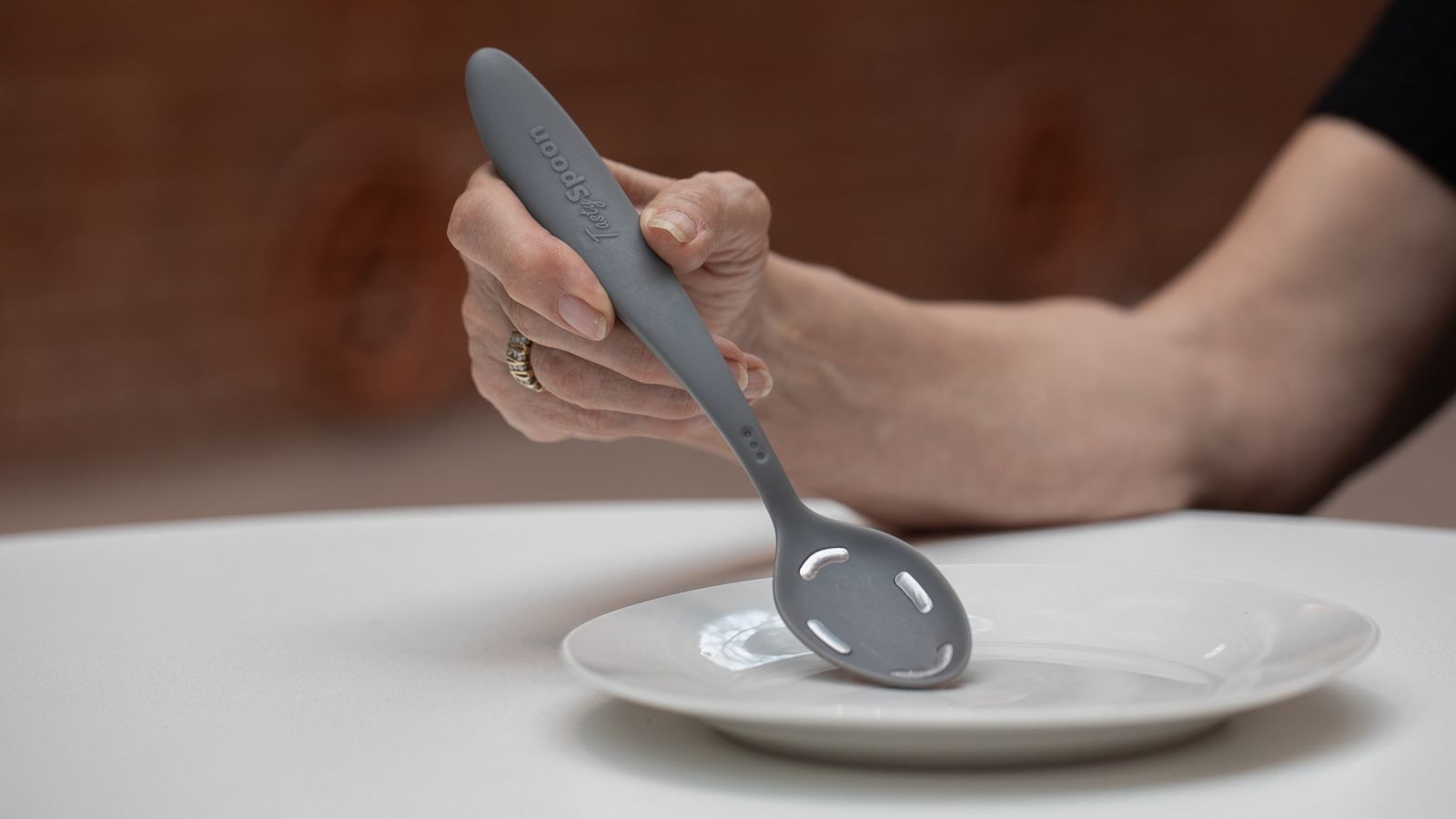
A man who revealed how he has only eaten toast for the past five years as he can no longer taste things has helped inspire a high-tech spoon which enhances flavours for people with dementia.
The device, known as Tasty Spoon, looks like a normal one but it uses electrostimulation to enhance the flavour of foods for patients experiencing a loss of taste.
People with dementia often have issues with eating and drinking due to symptoms like memory loss, not being able to recognise food, and a decreased sense of smell and taste.
This can lead to patient's losing weight and muscle strength.
According to researchers, the spoon can help users differentiate between foods.
This feels like its on borderline with this thread but please move if needed. However, this does make sense to create a spoon like this.
“In the quantum multiverse, every choice, every decision you've ever and never made exists in an unimaginably vast ensemble of parallel universes.”
-
weatheriscool
- Posts: 25206
- Joined: Sun May 16, 2021 6:16 pm
- Contact:
-
weatheriscool
- Posts: 25206
- Joined: Sun May 16, 2021 6:16 pm
- Contact:
Re: The Brain: Alzheimer's and dementia news and discussions
Autism in boys linked to common plastic exposure in the womb
By Paul McClure
August 08, 2024
By Paul McClure
August 08, 2024
https://newatlas.com/health-wellbeing/p ... tism-boys/Prenatal exposure to higher levels of bisphenol A, a plastic commonly found in water bottles and packaging and known to leach into our foods and drinks, has been linked to autism spectrum disorder in boys, according to a new study that also identified the biological mechanism underlying this link.
The risks of exposure to bisphenol A (BPA), an industrial chemical used in plastic manufacturing and found in a wide variety of plastic products, are well-documented. Known to leach out of plastics and into the foods and beverages we consume, studies have linked BPA to health issues primarily because it mimics the structure and function of the hormone estrogen, disrupting body processes such as growth, cell repair, fetal development, energy levels, and reproduction.
It's also been linked to neurodevelopmental disorders like ADHD and autism, also referred to as autism spectrum disorder (ASD). In a new study, researchers from The Florey Institute of Neuroscience and Mental Health (The Florey) in Melbourne, Australia, have found a possible link between autism and exposure to BPA in the womb.
-
weatheriscool
- Posts: 25206
- Joined: Sun May 16, 2021 6:16 pm
- Contact:
Re: The Brain: Alzheimer's and dementia news and discussions
Brain found to store three copies of every memory
By Michael Franco
August 16, 2024
By Michael Franco
August 16, 2024
https://newatlas.com/biology/brain-three-copies-memory/
Like a computer system with built-in redundancies, a study has revealed that brains use three different sets of neurons to store a single memory. The finding could one day help soften painful memories in people who've suffered trauma.
By imaging the brains of mice, researchers at the University of Basel's Biozentrum, were able to watch what happens when a new memory is formed. What they found was that the rodent brains called three different sets of neurons into action to record the memory. The first are known as early-born neurons and are the earliest to develop as a fetus is growing. At the other end of the spectrum are the late-born neurons, which show up late in embryonic development. Between these are neurons that form somewhere right in the middle of growth in the womb.
The imaging study revealed that when the new memory is stored in the early-born neurons, it is initially hard to retrieve, but it becomes stronger as time goes on.
The copy of the memory stored in the late-born neurons, on the other hand, was very strong to start, but faded over time to the point that it eventually became inaccessible by the brain. In the middle, the memory copy showed a higher degree of stability than with either of the other neuronal groups.
-
weatheriscool
- Posts: 25206
- Joined: Sun May 16, 2021 6:16 pm
- Contact:
Re: The Brain: Alzheimer's and dementia news and discussions
Taming Parkinson's disease with self-adjusting brain pacemakers
https://medicalxpress.com/news/2024-08- ... akers.html
by University of California, San Francisco
Worldwide machine learning contest advances wearable tech for Parkinson's disease
https://medicalxpress.com/news/2024-08- ... rable.html
by Tel-Aviv University
https://medicalxpress.com/news/2024-08- ... akers.html
by University of California, San Francisco
Two new studies from UC San Francisco are pointing the way toward round-the-clock personalized care for people with Parkinson's disease through an implanted device that can treat movement problems during the day and insomnia at night.
The approach, called adaptive deep brain stimulation, or aDBS, uses methods derived from AI to monitor a patient's brain activity for changes in symptoms.
When it spots them, it intervenes with precisely calibrated pulses of electricity. The therapy complements the medications that Parkinson's patients take to manage their symptoms, giving less stimulation when the drug is active, to ward off excess movements, and more stimulation as the drug wears off, to prevent stiffness.
Worldwide machine learning contest advances wearable tech for Parkinson's disease
https://medicalxpress.com/news/2024-08- ... rable.html
by Tel-Aviv University
Researchers at TAU's Faculty of Medical & Health Sciences invited the international community of machine learning researchers to participate in a contest devised to advance their study and assist neurologists: developing a machine learning model to support a wearable sensor for continuous, automated monitoring and quantification of freezing of gait (FOG) episodes in people with Parkinson's disease. Close to 25,000 solutions were submitted, and the best algorithms were incorporated into the novel technology.
The study was led by Prof. Jeff Hausdorff from the Department of Physical Therapy at the Faculty of Medical & Health Sciences and the Sagol School of Neuroscience at Tel Aviv University, and the Center for the Study of Movement, Cognition and Mobility at the Tel Aviv Medical Center, together with Amit Salomon and Eran Gazit from the Tel Aviv Medical Center. Other investigators included researchers from Belgium, France, and Harvard University.
The paper was published in Nature Communications and featured in the journal's Editors' Highlights.
-
firestar464
- Posts: 7674
- Joined: Wed Oct 12, 2022 7:45 am
Re: The Brain: Alzheimer's and dementia news and discussions
A cellular community in the brain drives Alzheimer's disease, large-scale analysis reveals
https://medicalxpress.com/news/2024-08- ... sease.html
https://medicalxpress.com/news/2024-08- ... sease.html
-
weatheriscool
- Posts: 25206
- Joined: Sun May 16, 2021 6:16 pm
- Contact:
Re: The Brain: Alzheimer's and dementia news and discussions
Promising immunotherapy treatment targets multiple pathogenic hallmarks of Alzheimer's disease
https://medicalxpress.com/news/2024-09- ... marks.html
by Laurie Kaiser, University at Buffalo
https://medicalxpress.com/news/2024-09- ... marks.html
by Laurie Kaiser, University at Buffalo
Among progressive neurodegenerative diseases, Alzheimer's is one of the most common and most heartbreaking. It robs individuals of their memories and self-sufficiency and can even alter their personalities.
Nearly 7 million Americans over age 65 are living with Alzheimer's, and that number is projected to nearly double by the year 2050 as the population continues to age.
Jonathan Lovell, Ph.D., a professor in the Department of Biomedical Engineering at the University at Buffalo, is developing a novel immunotherapy approach to Alzheimer's treatment. He leads a research team that is working on a vaccine that targets multiple sites within the key polypeptides of both pathogenic hallmarks of the disease: amyloid-beta (Aβ) and tau.
The immunotherapy concept, which was published in the August issue of the journal Brain, Behavior, and Immunity, suggests that the body can mount an immune response to multiple epitopes of Aβ and tau, which are parts of those proteins that the immune system can recognize.
-
firestar464
- Posts: 7674
- Joined: Wed Oct 12, 2022 7:45 am
Re: The Brain: Alzheimer's and dementia news and discussions
Rebrain’s AI software to optimize brain targeting approved by FDA
https://parkinsonsnewstoday.com/news/re ... roved-fda/
https://parkinsonsnewstoday.com/news/re ... roved-fda/
-
weatheriscool
- Posts: 25206
- Joined: Sun May 16, 2021 6:16 pm
- Contact:
Re: The Brain: Alzheimer's and dementia news and discussions
Synapse-restoring pill set for human trials as novel schizophrenia treatment
By Paul McClure
September 26, 2024
By Paul McClure
September 26, 2024
https://newatlas.com/medical/synapse-re ... zophrenia/Spinogenix, the company behind the once-a-day pill that restored lost nerve cell connections in people with amyotrophic lateral sclerosis (ALS), has now set its sights on using the pill to provide a novel treatment for another debilitating disease: schizophrenia.
Earlier this year, New Atlas reported on a groundbreaking once-a-day pill that restored lost nerve cell connections or synapses in the brain. The creation of biopharmaceutical company Spinogenix Inc., early clinical trials of the drug, called SPG302, to treat the fatal nervous system disease amyotrophic lateral sclerosis (ALS) yielded impressive results.
Now, Spinogenix is again about to embark on a clinical trial of SPG302, this time to evaluate its effectiveness in treating another serious and debilitating disease: schizophrenia.
“We are excited to advance the first clinical therapy capable of reversing synapse loss in schizophrenia, which may provide a much-needed advancement in the treatment of multiple symptoms and patients who are treatment resistant,” said Dr. Stella Sarraf, Spinogenix’s CEO and founder.
-
firestar464
- Posts: 7674
- Joined: Wed Oct 12, 2022 7:45 am
Re: The Brain: Alzheimer's and dementia news and discussions
Dementia diagnostic markers shown to change with time of day
https://medicalxpress.com/news/2024-10- ... n-day.html
https://medicalxpress.com/news/2024-10- ... n-day.html
-
weatheriscool
- Posts: 25206
- Joined: Sun May 16, 2021 6:16 pm
- Contact:
Re: The Brain: Alzheimer's and dementia news and discussions
Magnetoelectric nanodiscs offer remote brain stimulation without implants or genetic modification
https://phys.org/news/2024-10-magnetoel ... lants.html
by David L. Chandler, Massachusetts Institute of Technology
https://phys.org/news/2024-10-magnetoel ... lants.html
by David L. Chandler, Massachusetts Institute of Technology
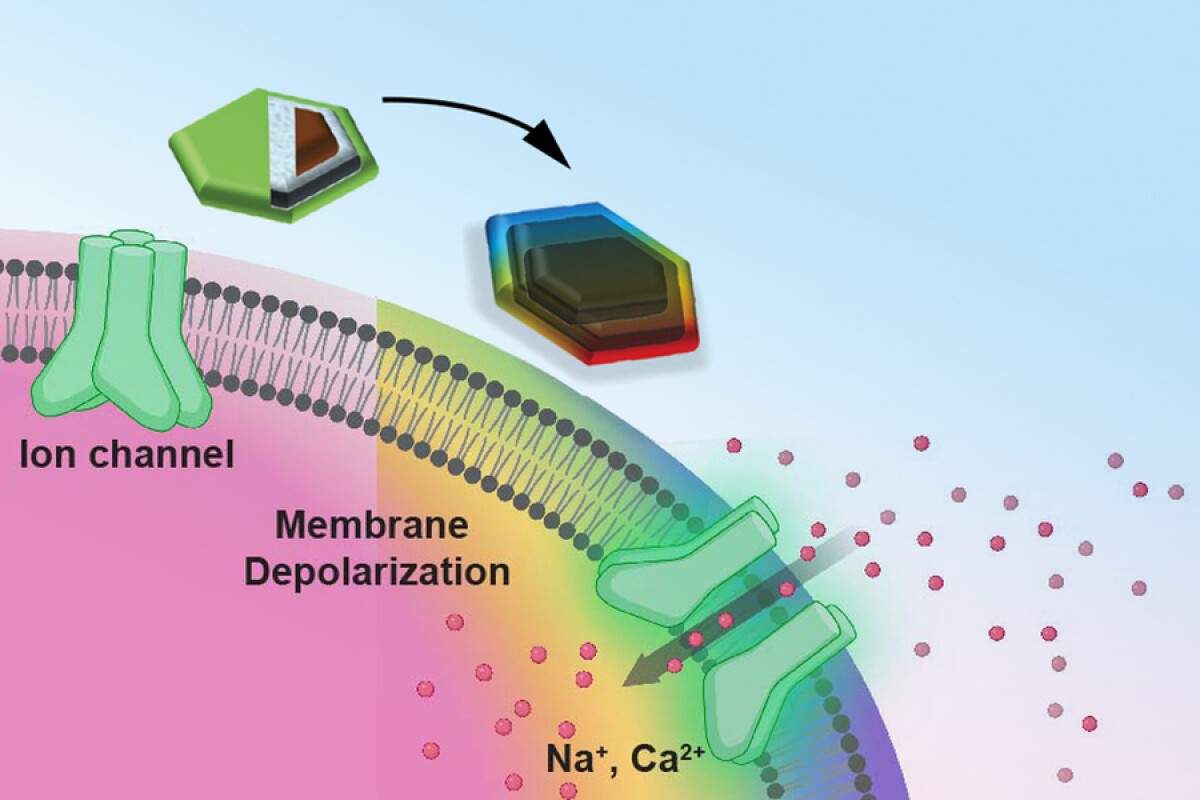
Novel magnetic nanodiscs could provide a much less invasive way of stimulating parts of the brain, paving the way for stimulation therapies without implants or genetic modification, MIT researchers report.
The scientists envision that the tiny discs, which are about 250 nanometers across (about 1/500 the width of a human hair), would be injected directly into the desired location in the brain. From there, they could be activated at any time simply by applying a magnetic field outside the body.
The new particles could quickly find applications in biomedical research, and eventually, after sufficient testing, might be applied to clinical uses.



-
weatheriscool
- Posts: 25206
- Joined: Sun May 16, 2021 6:16 pm
- Contact:
Re: The Brain: Alzheimer's and dementia news and discussions
Alzheimer's domino effect hypothesis opens up new treatment targets
By Paul McClure
October 15, 2024
By Paul McClure
October 15, 2024
https://newatlas.com/brain/alzheimers-d ... t-targets/By obtaining high-resolution images of Alzheimer’s disease-affected brain cells as the condition progresses, researchers have identified the specific neurons that are damaged. The information the ‘cell atlas’ provides highlights potential new treatment targets.
After identifying that accumulation of toxic tau and amyloid proteins in the brain are a feature of Alzheimer’s disease, researchers have, understandably, been working on treatments that reduce or eliminate them. Less research has focused on the specific cells affected by the condition.
Now, researchers from the Allen Institute for Brain Science, the University of Washington (UW) Medicine, and the Kaiser Permanente Washington Health Research Institute have created a high-resolution timeline of images that show how Alzheimer’s disease progresses at the cellular level.
-
weatheriscool
- Posts: 25206
- Joined: Sun May 16, 2021 6:16 pm
- Contact:
Re: The Brain: Alzheimer's and dementia news and discussions
Parkinson's disease may one day be treated with a shot of magnetic discs
By Ben Coxworth
October 21, 2024
https://newatlas.com/medical-devices/pa ... tic-discs/
By Ben Coxworth
October 21, 2024
https://newatlas.com/medical-devices/pa ... tic-discs/
Although brain-implanted electrodes do help minimize the effects of Parkinson's disease and other neurological disorders, implanting and activating those electrodes can be a tricky process. That's why scientists are now developing an alternative, in the form of tiny injectable magnetic discs.
Implanted electrodes are utilized in a type of therapy known as deep brain stimulation (DBS). As its name implies, this treatment involves delivering electrical signals to specific parts of the brain, selectively stimulating neurons in those areas.
Needless to say, brain surgery is required in order to get the electrodes into the target regions of the brain. Additionally, the electrodes are powered and controlled by a pacemaker-like device that is implanted beneath the skin in the chest. Subcutaneous wires run all the way from that device to each of the electrodes.
While a number of simpler, less invasive DBS methods are in the works, many of them are limited to use on the surface of the brain, they stimulate too general of an area, or they only work on brain tissue that has already been genetically altered.
That's where the tiny "magnetoelectric nanodiscs" (MENDs) come in.