22nd April 2026 EU emissions fall again, reaching 40% below 1990 levels The European Union continues to cut greenhouse gas emissions at a steady pace, driven by cleaner energy, improved efficiency, and long-term policy efforts. New figures highlight both the scale of progress so far and the challenges that remain as the bloc moves toward its 2050 climate neutrality goal.
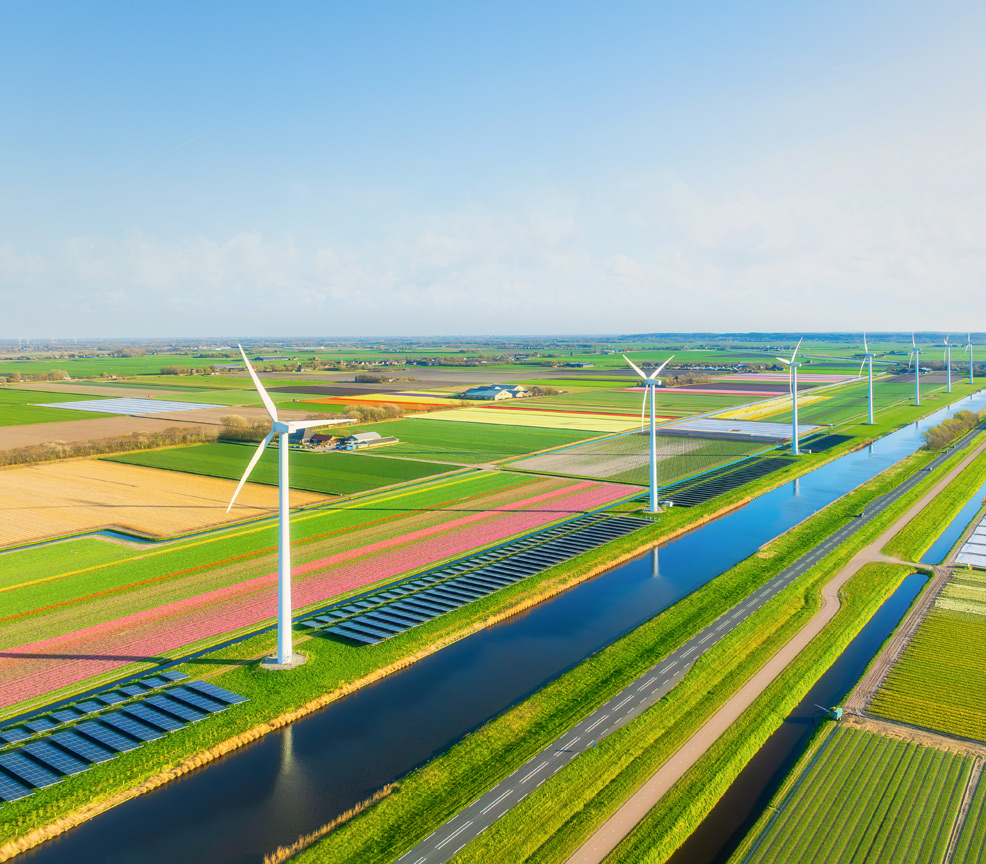
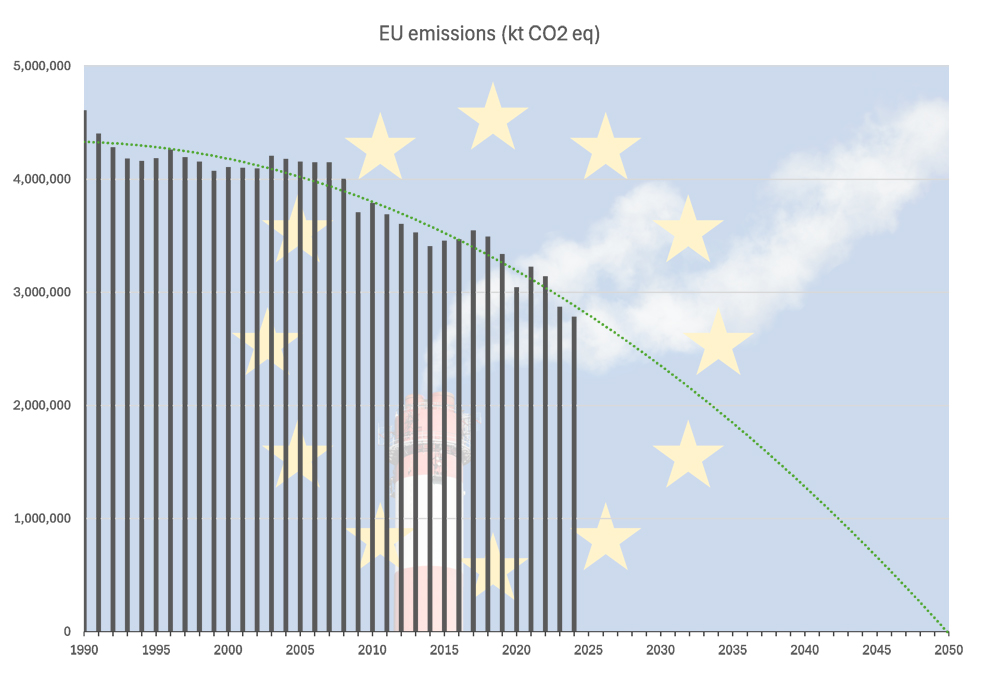
When it comes to environmental protection, the European Union (EU) stands among the world's leading regions, with a long track record of ambitious climate and energy policies. Greenhouse gas emissions from those countries that today make up the EU peaked during the late 1970s and have followed a broadly downward trend ever since. Now, the bloc has recorded another significant drop, with a 3% decline between 2023 and 2024. This latest fall brings total reductions to 40% below 1990 levels, according to new data analysed by the European Environment Agency and submitted to the United Nations. The headline figure combines all major greenhouse gases – including carbon dioxide, methane, nitrous oxide, and fluorinated gases used in air conditioning, refrigeration and industry. Clean energy has played a central role, with solar and wind expanding rapidly. Coal use has declined sharply, plunging by around 68% since 1990. Improvements in efficiency, alongside better insulation and reduced heating demand in homes, have also contributed. Heavy industries such as steel and manufacturing have seen substantial cuts, while emissions from refrigeration gases have fallen again after earlier growth. Not all sectors have followed the same path, however. Transport remains a stubborn outlier, as rising demand for both passenger and freight travel has offset the gains from more efficient engines and electric vehicles. At the same time, Europe's forests have absorbed less carbon in recent years, weakening a natural buffer against emissions.
Across individual Member States, the picture is more varied. Some countries achieved particularly strong reductions between 2023 and 2024, including Estonia and Lithuania, both down 9%, along with Austria, Bulgaria, and Czechia, each falling by around 7%. Larger economies such as Germany and Italy also recorded notable declines. Elsewhere, emissions rose in several countries, most notably Latvia, Croatia, and Slovenia, with increases of between 5% and 8%. Poland also saw a modest rise. These differences highlight the uneven pace of progress across the bloc. Taken as a whole, however, the long-term trajectory is clear. A simple extrapolation of the EU's emissions trend suggests that net domestic emissions could approach zero by around 2050, aligning broadly with the bloc's climate neutrality goal. While the underlying dataset excludes international aviation and shipping, the overall trend remains encouraging. Policymakers have already implemented a wide range of measures, from emissions trading to sector-specific regulations, and these continue to drive progress across most of the economy. If current policies are maintained and strengthened, the EU appears well positioned to deliver deep cuts over the coming decades. The final stretch will prove more challenging, particularly in hard-to-abate sectors that have resisted change so far. Yet the consistency of recent declines, combined with accelerating clean energy deployment, offers grounds for cautious optimism. Emerging technologies are also beginning to reshape some of the most carbon-intensive industries, with developments such as hydrogen-based steelmaking offering new routes to decarbonisation. Recent geopolitical tensions, including the Iran war, have exposed the risks of relying on volatile fossil fuel supplies, further reinforcing the case for renewables, electrification, and greater energy independence. Together, these trends suggest that Europe can sustain its momentum and move closer to a net zero future.
Comments »
If you enjoyed this article, please consider sharing it:
|