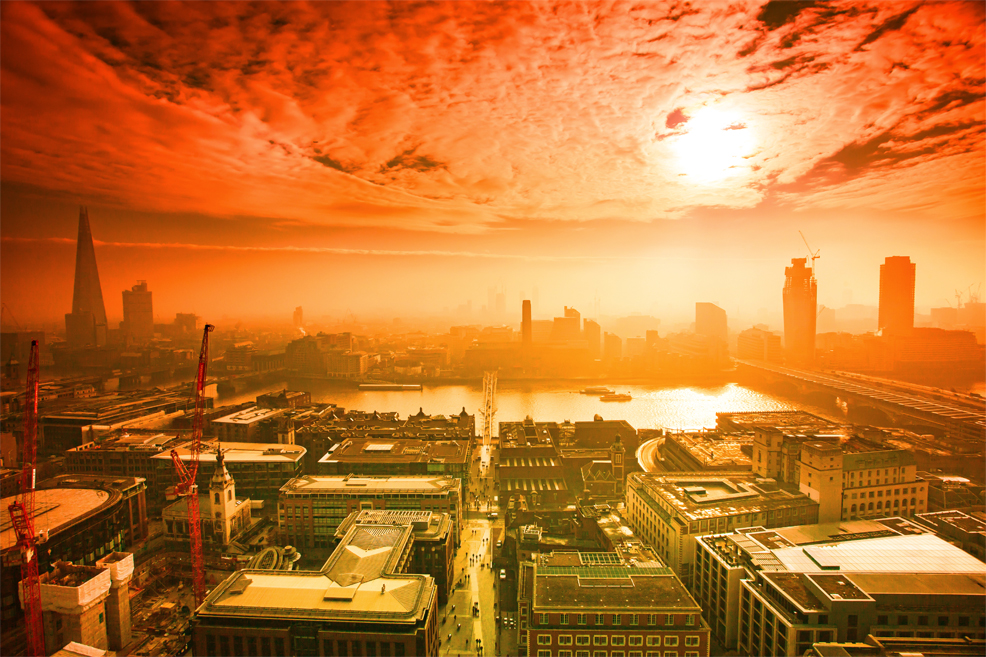
26th June 2026 London prepares for a hotter future London has unveiled its first ever extreme heat plan, which aims to protect lives, homes, transport networks and public services as the capital adapts to a warming climate.
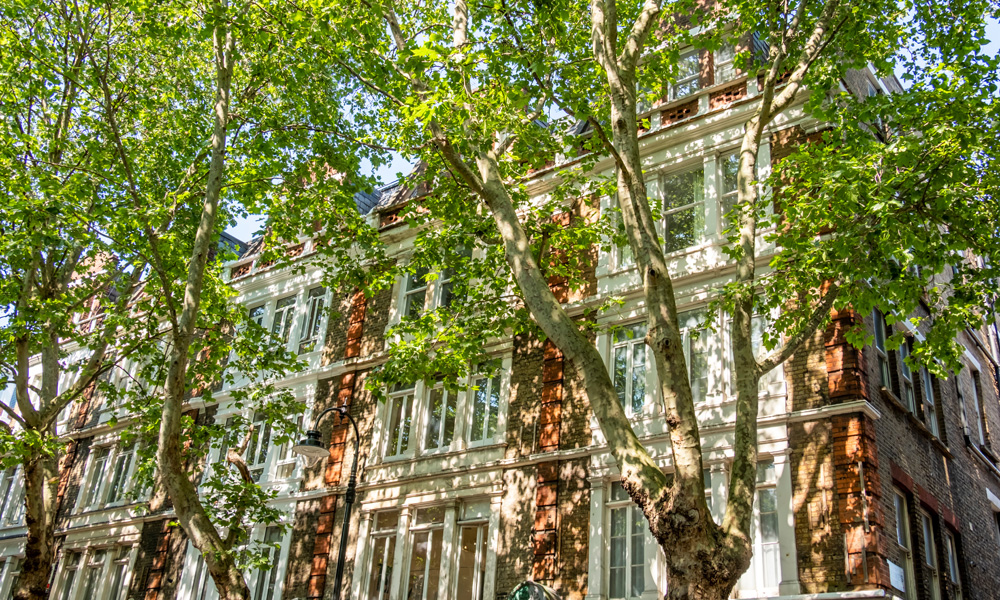
London has launched its first ever heat plan, setting out a new city-wide vision to protect residents, buildings, transport networks and infrastructure from the growing threat of extreme temperatures. Heat Ready London, announced by Mayor Sadiq Khan during London Climate Action Week (LCAW), follows a week of severe heat across the capital, the wider UK and much of Europe. In an irony that underlined the urgency of the plan, one event in the programme, scheduled to be held at the London School of Economics, had to be cancelled after organisers cited a public health risk from the heat. The venue, a century-old building, relied on natural ventilation and fans rather than air conditioning, highlighting the challenge facing many older British buildings in summer. Record-breaking temperatures in recent days have triggered only the second Red Heat-Health Alert since the system began in 2003, following the first during the 40°C heatwave of July 2022. The plan marks a significant shift in how London prepares for climate change. Extreme heat is no longer a rare emergency or distant future threat, but an increasingly common risk that will reshape homes, streets, transport systems, healthcare, and the economy.
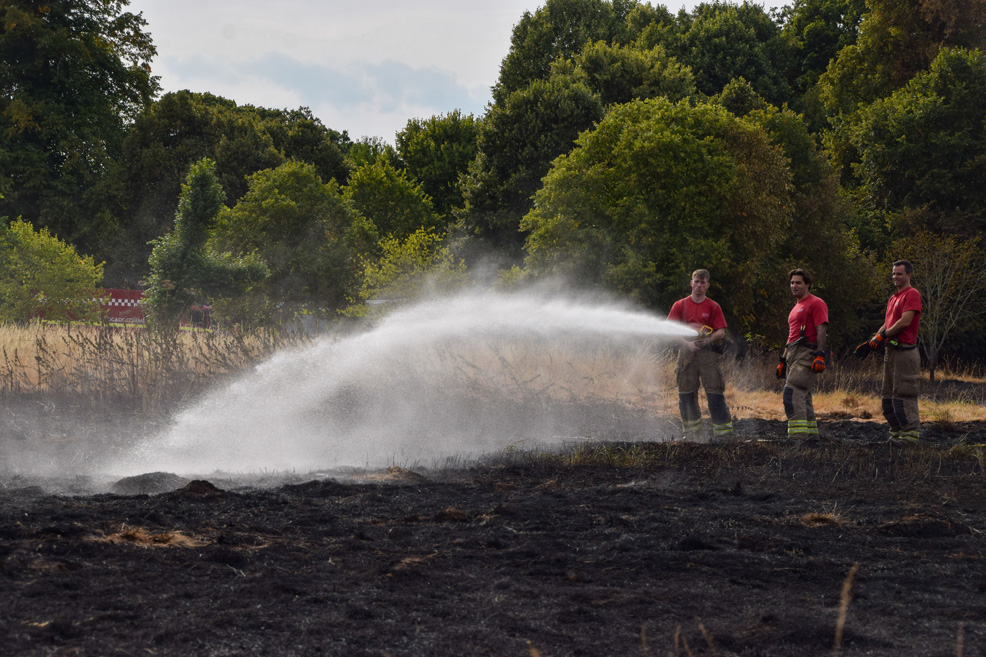
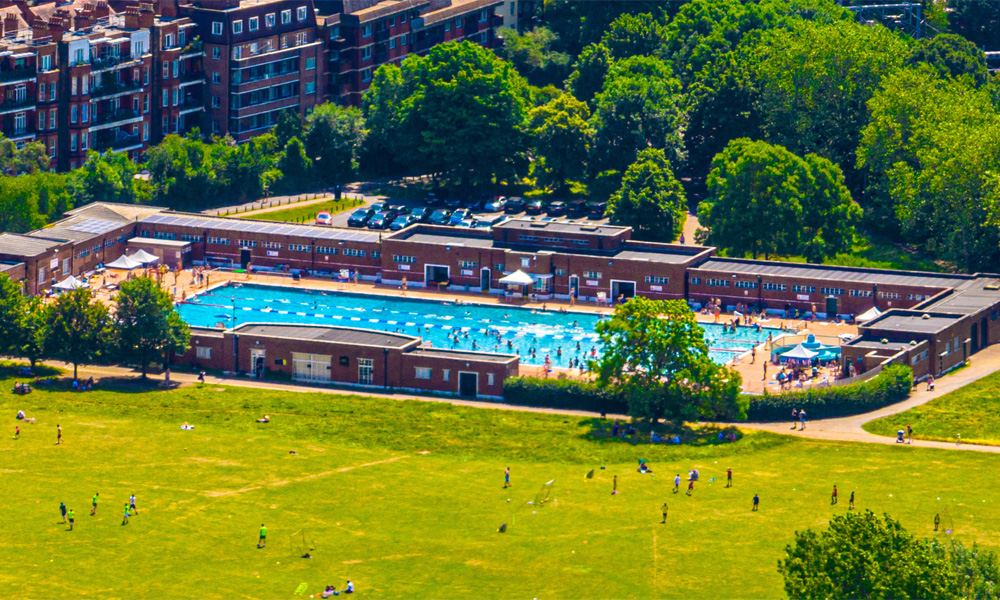
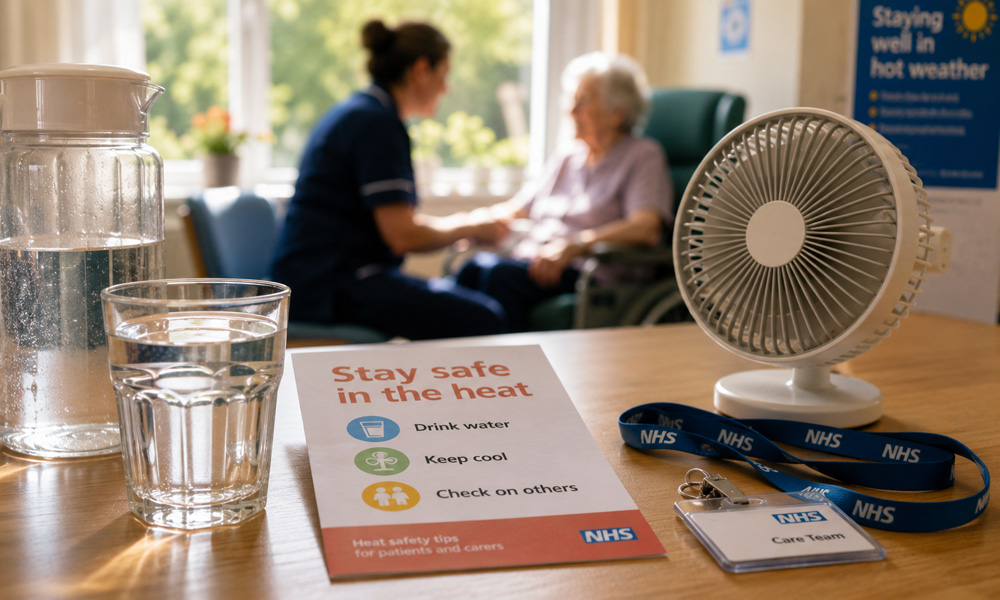
According to analysis supporting the plan, around 1 million homes in London may already be at high risk of overheating. A further 1,361 schools, 60 hospitals and 351 care homes are in high heat-risk areas. Within 20 years, London could face two to three times as many heatwaves as it experiences today. The human and economic costs are already substantial. London's 2022 heatwaves, when UK temperatures exceeded 40°C for the first time, are estimated to have cost the city £1.5 billion, affecting health, productivity, education, transport, energy use, emergency services and wildfire response. The London Fire Brigade (pictured above) experienced its busiest day since the Second World War. Hot weather is also linked to nearly 4,000 additional hospital attendances each summer in London, alongside 300 preventable deaths each year. UK-wide heat-related hospital attendances and admissions could triple by 2050. Heat Ready London sets out 37 priority areas across six sectors: the built environment, business and the economy, emergency preparedness, health and care, green space and nature, and infrastructure. Among the planned improvements are:
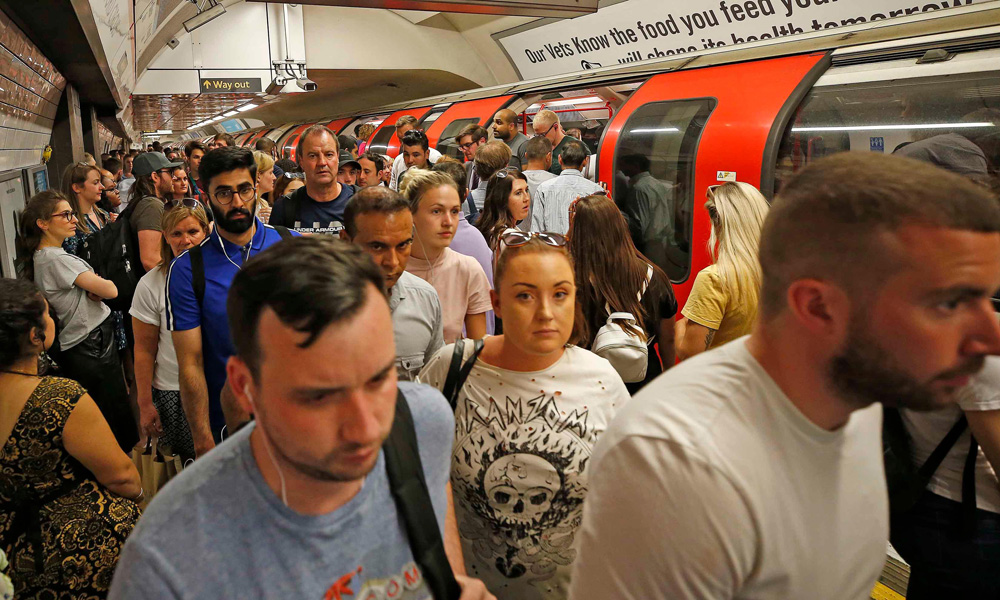
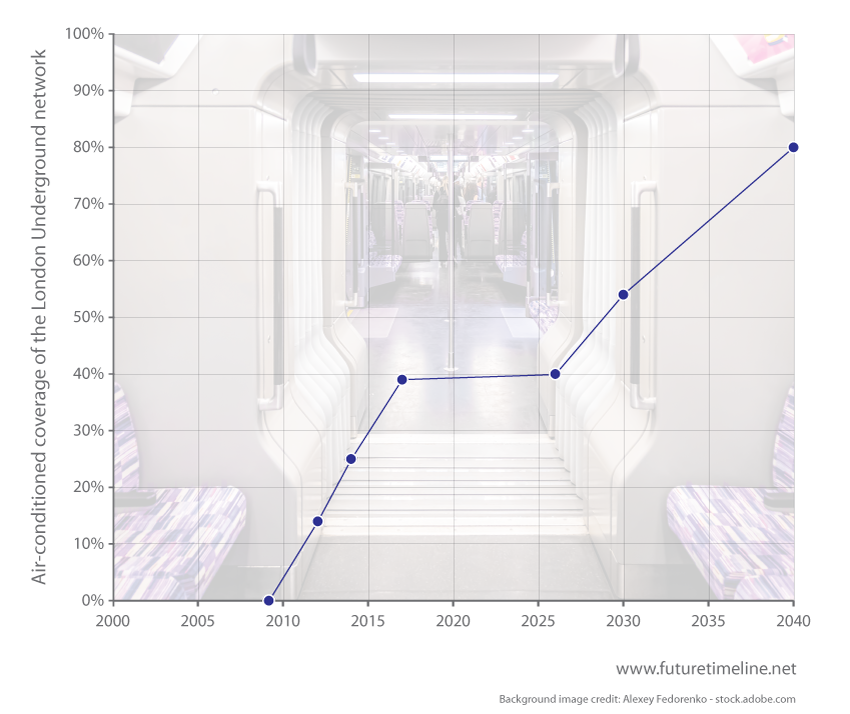
For many Londoners and visitors, one of the most visible improvements will be cooler public transport. The Underground has earned a notorious reputation for summer heat, especially on older deep Tube lines such as the Central, Bakerloo, and Piccadilly. The issue regularly appears in London's press during heatwaves, with some lines and stations reaching conditions that go beyond mere discomfort and into a genuine health concern for some passengers. Recent measurements by The Independent found temperatures of 39.4°C on the Central line and 37.2°C on the Jubilee line, compared with just 22.6°C on the newer Elizabeth line and other air-conditioned routes. More than 190 Tube trains, covering about 40% of the Underground network, are now air-conditioned, alongside all London Overground and Elizabeth line trains. The next major step is expected on the Piccadilly line, where new air-conditioned trains are due to begin entering service from 2026–27. Once fully deployed, these could raise air-conditioned coverage on the Underground to 54%. Further expansion remains more uncertain and depends on future funding, but if replacement programmes for older deep Tube lines eventually go ahead, air-conditioned or air-cooled trains could approach 80% of the network in the 2040s.
Beyond cooler trains, the plan points to wider transport and infrastructure upgrades needed to keep London moving during heatwaves. High temperatures can damage roads, disrupt equipment, affect staff safety and trigger cascading failures across power, water, and communications networks. Future resilience work could therefore include heat-resistant materials and technology, better protection for transport workers, more reliable digital networks for emergency communications and signalling, and energy systems able to cope with peak cooling demand. The Heat Ready London plan also frames heat resilience as a matter of social justice. Residents in poorly designed homes, people without access to green space, older people, young children, homeless people, and those with health conditions are often at greatest risk. For London, the challenge now is delivery. If the plan succeeds, the capital could become a model for urban heat resilience, showing how other cities can adapt to rising temperatures. That means cooler homes, shadier streets, more resilient public transport, better protected hospitals and care homes, and neighbourhoods designed not just for today's climate, but for the hotter world now taking shape. Professor Emma Howard Boyd CBE, Chair of the National Heat Risk Commission and former Chair of the London Climate Resilience Review, said: "Extreme heat is already one of the most significant and rapidly escalating risks facing London, and with the temperatures we have seen this week, the urgency to act could not be clearer. I welcome the Mayor's leadership in responding to it. "Heat Ready London turns the recommendations of the London Climate Resilience Review into a clear programme of action to protect communities and prepare the capital for a hotter future. Cooling our city – through trees, parks, shaded streets, and cooler buildings – does more than bring temperatures down: it cleans our air, reduces flood risk, and makes neighbourhoods better places to live. "But extreme heat already hits hardest in the most deprived communities, and during periods of intense heat this inequality becomes even more dangerous. These benefits must be delivered quickly and fairly, with shade, green space and practical support targeted to where they are needed most – ensuring every Londoner can stay safe, cool and well in a changing climate."
Comments »
If you enjoyed this article, please consider sharing it:
|