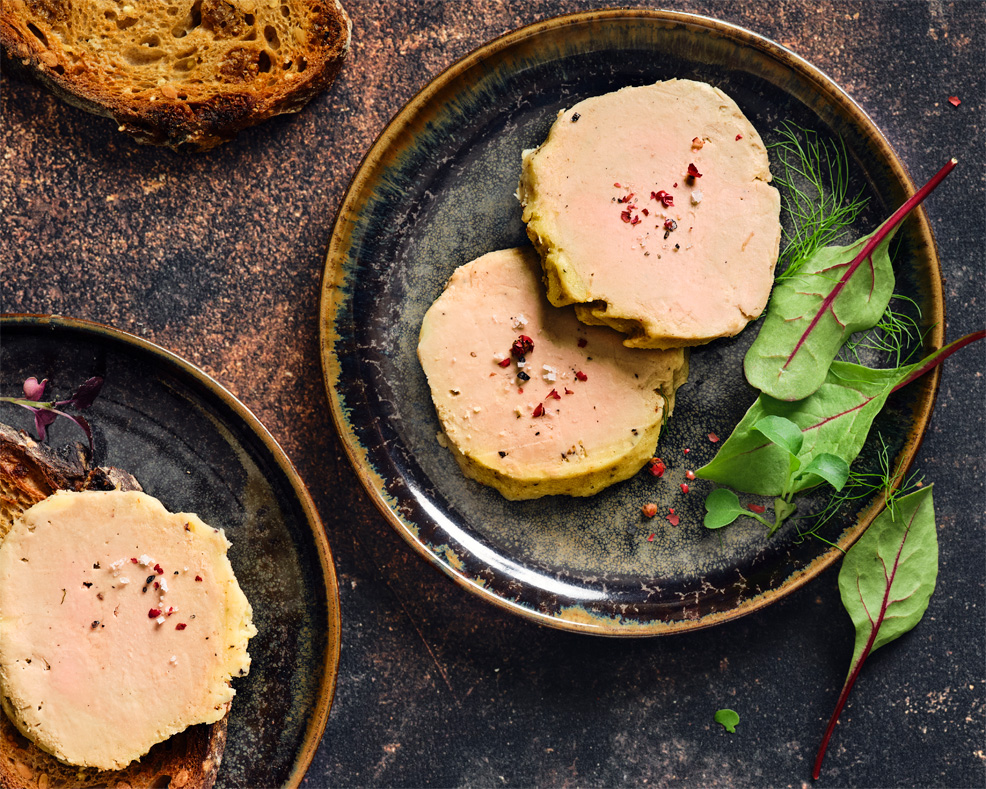
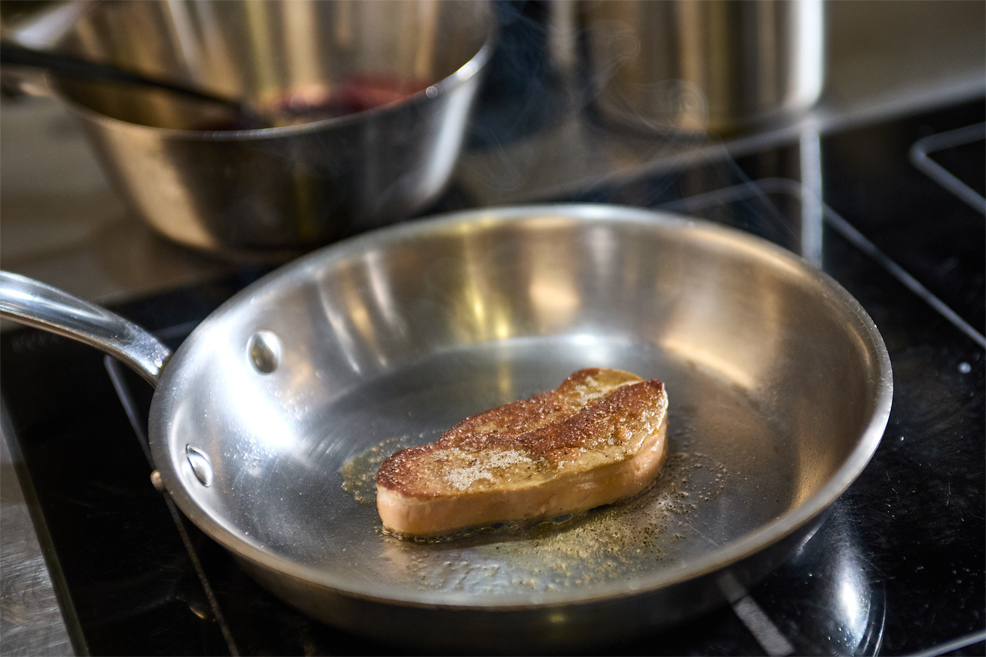
9th July 2026 Multiple tons of cultivated duck meat produced for the first time French food technology company PARIMA has produced multiple tons of cultivated duck meat in a single 22,000-litre production run, claiming a major advance towards commercially viable lab-grown meat.
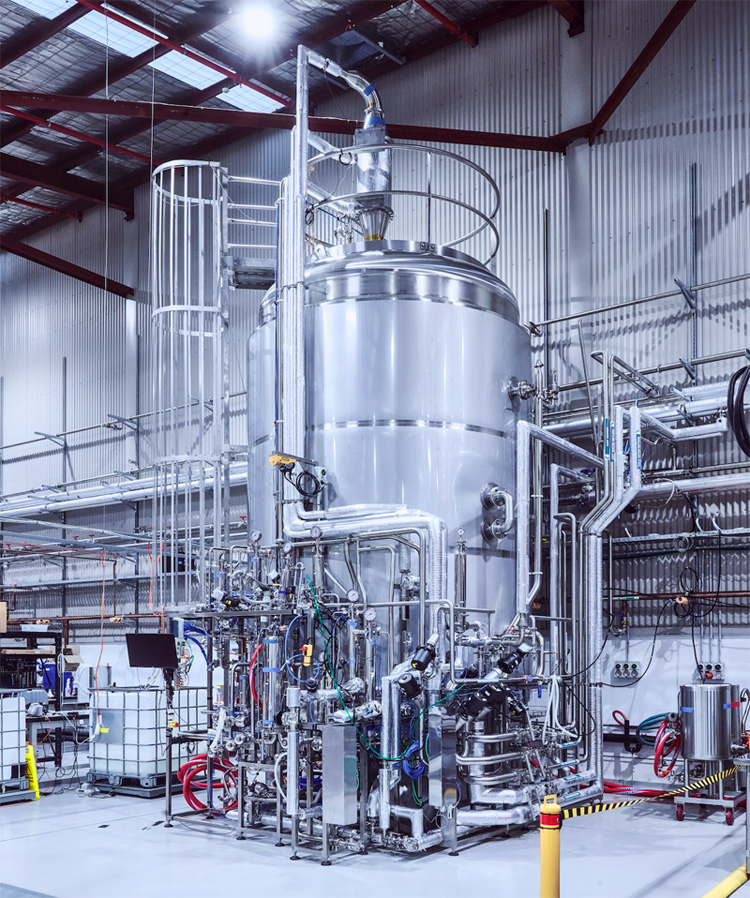
The idea of growing meat directly from animal cells has moved steadily from science fiction to reality over the past decade. Instead of raising and slaughtering livestock, cultivated meat is produced by taking a small sample of animal cells and growing them in carefully controlled bioreactors, where they multiply into edible tissue. Advocates believe the technology could reduce animal suffering while dramatically cutting land use, water consumption and greenhouse gas emissions associated with conventional livestock farming. It could also improve food security by making meat production less dependent on climate, disease outbreaks and increasingly constrained agricultural land. Despite these promises, the industry has faced a difficult few years. Many early companies struggled with the high cost of growth media, complex manufacturing processes and the challenge of scaling production from laboratory experiments to commercial volumes. Various firms downsized or closed altogether as investment slowed. Yet research has continued across the sector, with a handful of companies focused on solving the engineering and biological problems that prevented large-scale production. Among them is French company PARIMA, founded by Nicolas Morin-Forest and Dr Victor Sayous, which has spent more than seven years developing a simplified production platform designed to overcome many of these obstacles. This month, PARIMA has announced its most significant milestone to date: the successful production of cultivated duck meat at a multi-ton scale in a single 22,000-litre production run. The achievement was made in partnership with Australian cultivated meat company Vow, whose Sydney facility houses what is currently the world's largest cultivated meat manufacturing line. According to PARIMA, the run demonstrates not only that cultivated meat can be produced at industrial volumes, but in a way that is far more commercially viable than earlier attempts. The company says production costs were reduced by 99% compared with earlier runs, thanks to improvements in cell growth and the efficiencies gained from operating at much larger volumes. Rather than trying to recreate structured tissue from cells attached to scaffolds, PARIMA's new platform grows non-GMO animal cells as an undifferentiated biomass suspended in liquid, avoiding expensive growth factors, microcarriers and separate tissue-forming stages that have previously driven up production expenses.
"Economic viability for cultivated meat is no longer an extrapolation from pilot runs. It's here," said Morin-Forest, co-founder and CEO of PARIMA. "Our team spent more than seven years building the most robust biology and process to achieve large-scale production. Together with Vow, we are proving that cultivated protein is moving toward industrial maturity." "We have cleared the technical hurdles that stalled cultivated meat production and drew skepticism over the past few years, specifically around process efficiencies, biological performance, and growth media cost," said Dr. Sayous, co-founder and CTO of PARIMA. "The process ran at 22,000 litres on the first attempt, with no performance loss compared to smaller scales. Combined with commercial-scale infrastructure like Vow's, our breakthroughs open a new chapter for the sector." "Our platform has proven that cultivated cell production at 22,000 litres works at unit economics the industry can build on. What this collaboration adds is the demonstration that the economics Vow have already achieved work for partners too. PARIMA has been a strong partner in proving that, delivering results on the first attempt, and we're excited about what comes next," said George Peppou, founder and Executive Director of Vow. "A specialised value chain is forming around cultivated meat producers, of the kind every industrialising bioprocess eventually develops," said Clément Santander, Partner at consulting firm Arthur D. Little. "Growth media is becoming a product bought from dedicated suppliers, bioproduction is being offered as a service through tolling and contract facilities, and existing food infrastructure is being reused downstream. The model is shifting from owning every asset to building on an ecosystem of specialised partners, which is how mature biomanufacturing industrialised previously." Cultivated meat is likely still 10–15 years away from becoming a mainstream supermarket staple, and further progress will depend on regulatory approvals, consumer acceptance and continued cost reductions. But PARIMA's achievement suggests the sector may be entering a more pragmatic phase, focused less on eye-catching prototypes and more on industrial production, shared infrastructure and viable economics. If that momentum continues, cultivated duck and other cell-based meats could eventually become a practical complement to conventional farming, helping to meet rising protein demand with a smaller environmental and ethical footprint.
Comments »
If you enjoyed this article, please consider sharing it:
|