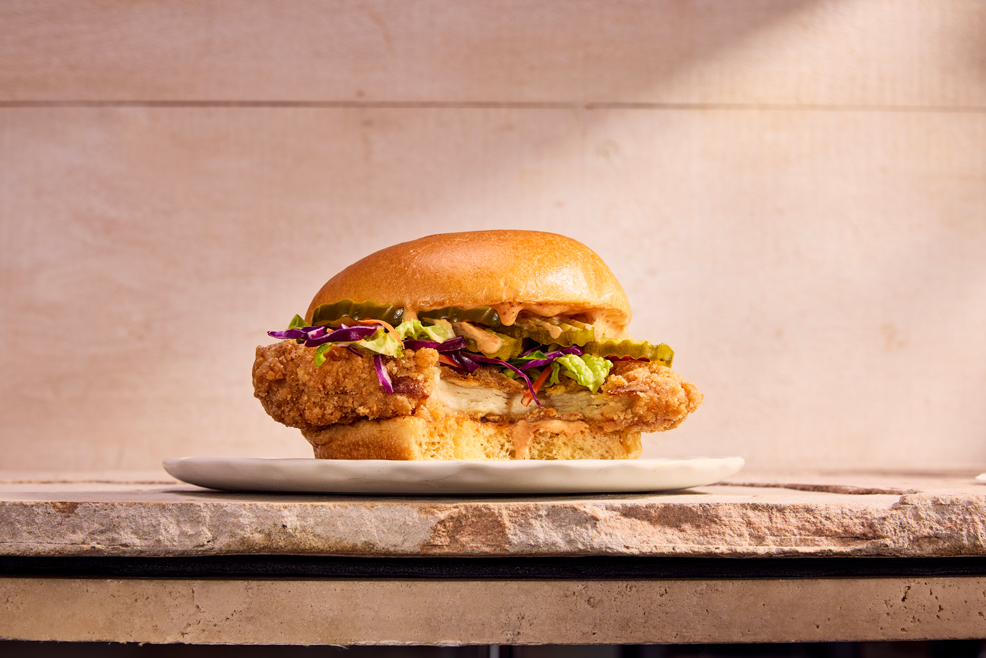
20th November 2026 Cultivated chicken moves closer to mass production UPSIDE Foods has expanded cultivated chicken sales across California, following a dramatic increase in manufacturing capacity and a fall in production costs.
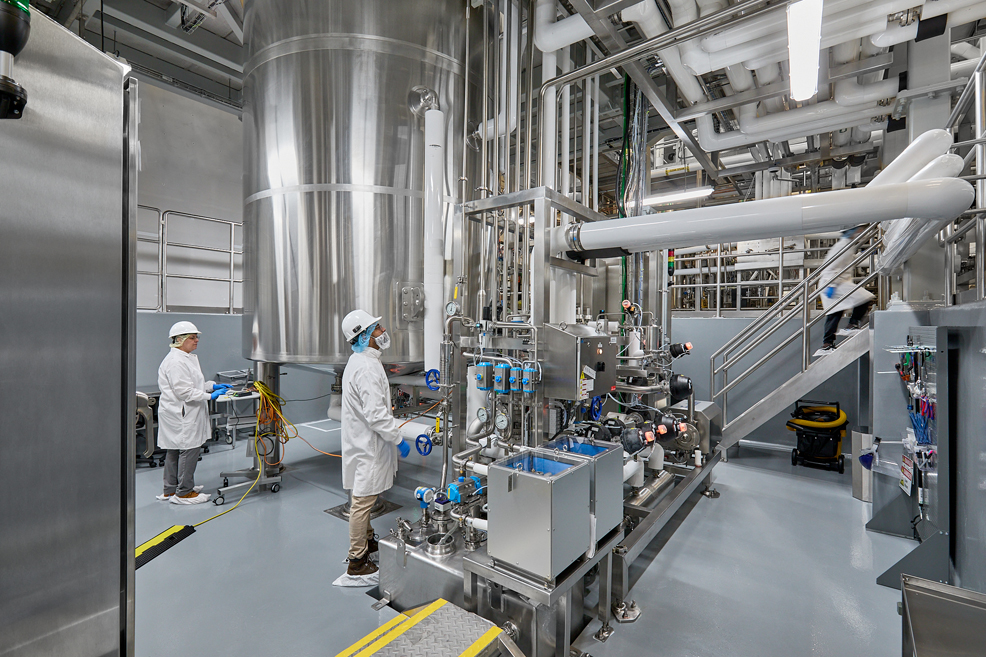
Cultivated meat could fundamentally change how humanity produces food. Rather than raising and slaughtering livestock, producers nurture animal cells in nutrient-rich environments and grow them into edible tissue. This approach has the potential to transform agriculture, although high costs and technical obstacles have restricted it to small-scale demonstrations and exclusive restaurant menus. The field gained global attention in 2013, when Dutch scientists presented the first cultivated beef burger in London. Singapore authorised commercial sales of cultivated chicken in 2020, becoming the first country to do so. The United States followed in 2023, when regulators cleared products from UPSIDE Foods and GOOD Meat. Both companies offered chicken at selected restaurants, but neither achieved the volumes or prices necessary for widespread consumption. Progress has since proved uneven. Cultivation requires reliable cell lines, carefully controlled bioreactors and affordable growth media. Several start-ups have struggled to raise money; others have shelved factory plans or ceased operations. The industry's next challenge lies less in proving that cultivated meat is possible than in showing it can compete commercially. Eight restaurants Now California-based UPSIDE Foods, which began life as Memphis Meats in 2015, has taken a major step forward. On Tuesday this week, the company announced the rollout of a new cultivated chicken product at eight restaurants across California, alongside university and corporate dining programmes. Its initial partners include EPIC Steak and Waterbar in San Francisco, Chimmelier in Los Angeles and Stanford University. UPSIDE says its Emeryville facility can produce more than one million pounds (about 450 tonnes) of finished chicken product annually, using cultivation tanks exceeding 20,000 litres. The company reports a 10,000-fold increase in cultivation scale and a manufacturing footprint of less than half an acre. These figures describe production capacity rather than verified output, but the development marks a major milestone in the industry's push towards commercial viability.
In addition to cultivated chicken cells, the new product contains soy protein, pea fibre and olive oil, helping to reduce costs and improve versatility. UPSIDE offers the chicken in shredded, diced and larger cuts, giving chefs greater flexibility in preparing dishes. The company says it can supply the product at prices comparable to premium organic chicken, a significant advance from the expensive, small-scale tastings that characterised earlier launches. Cultivated meat could reduce the need to slaughter billions of animals each year, while easing pressure on land and water resources and potentially cutting greenhouse gas emissions from livestock farming. Researchers caution, however, that these environmental benefits depend heavily on energy sources and production efficiency. The technology still needs to demonstrate these advantages consistently at commercial scale. UPSIDE, which has raised over $600 million to date, hopes to expand its restaurant and institutional partnerships and is now preparing another funding round to finance a larger manufacturing facility. The company's founder and CEO, Dr Uma Valeti, has discussed future bioreactors holding 50,000 to 100,000 litres, although the company has yet to announce a nationwide rollout date. "We started UPSIDE to challenge a millennia-old assumption: that eating meat requires taking an animal's life. We set out to expand choice by making more of the meat people love while asking less of animals and the planet," explained Valeti. "Skeptics questioned whether cultivated meat could ever scale beyond an expensive experiment. Today's commercial launch brings it onto everyday menus – creating opportunities for a new generation of farmers alongside those who have fed us for centuries." For now, cultivated chicken remains a niche food. Yet a company able to supply multiple venues at prices comparable to premium organic chicken brings wider adoption a step closer. If manufacturers can sustain production, earn consumer confidence and attract more investment, cultivated versions of chicken, beef and other meats could become cost-competitive with lower-cost conventional meat within the next decade or so. Ultimately, these foods could even surpass conventional meat in worldwide consumption – perhaps during the second half of this century.
Comments »
If you enjoyed this article, please consider sharing it:
|