26th January 2026 10 nations commit to 100 GW of offshore wind Ten European countries have agreed a landmark plan to jointly build 100 gigawatts of offshore wind capacity in the North Sea, signalling a new phase of cooperation on clean energy, infrastructure and energy security.
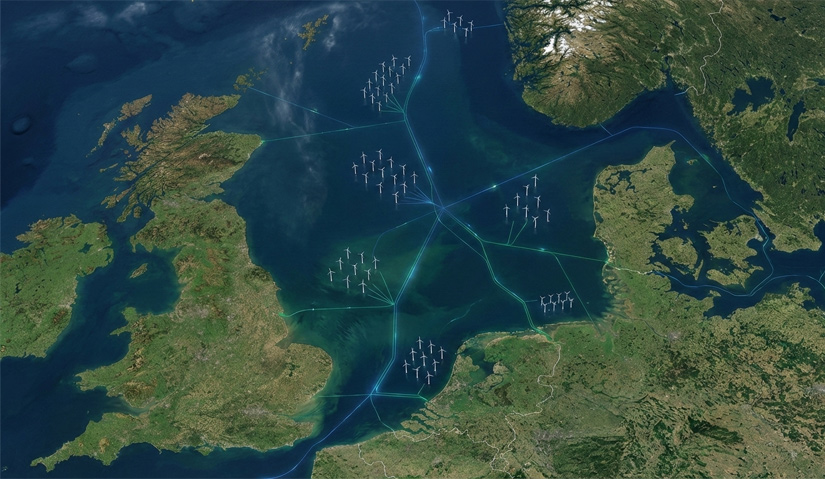
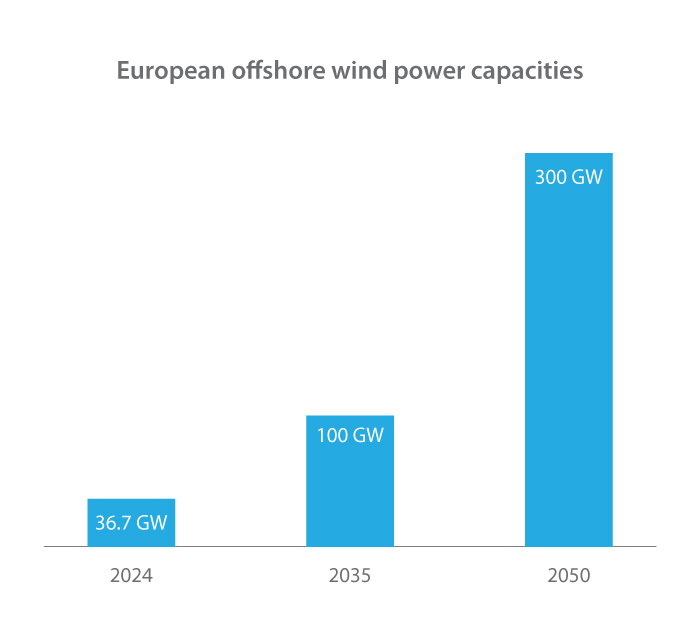
The clean energy revolution continues apace. Ten European nations have today committed to building 100 gigawatts of offshore wind capacity in the North Sea, marking one of the most ambitious agreements of its kind ever reached on the continent. The deal, signed in Hamburg, Germany, is backed by leaders including UK Energy Secretary Ed Miliband, and brings together Belgium, Denmark, France, Germany, Iceland, Ireland, Luxembourg, the Netherlands, Norway and the UK to coordinate the build-out of renewable power on an unprecedented scale. The Hamburg Declaration, as the agreement is officially called, represents a major shift in offshore wind development in Europe. Instead of treating wind farms and power cables as country-by-country projects, governments will now collaborate on large-scale infrastructure, grid connections and planning across borders. Wind turbines will rise far offshore, while high-voltage subsea cables carry electricity to multiple countries at once, creating an integrated regional energy system rather than a patchwork of isolated projects. At full scale, the 100 GW commitment would roughly triple the current offshore wind capacity of the participating countries, providing enough electricity to power around 143 million homes. It would also sharply reduce Europe's reliance on volatile fossil fuel markets and imported gas, strengthening energy security at a time when geopolitical uncertainty remains high. For the UK, already home to some of the world's largest projects, the pact reinforces its central role in Europe's offshore wind expansion. This 100 GW commitment marks a firm and tangible step in a much larger, longer-term transformation. Beyond this milestone, the signatories have set out an aspirational goal of reaching 300 GW of offshore wind capacity in the North Sea by 2050, reflecting the scale of ambition now shaping Europe's energy transition. The 100 GW target provides a clear and credible staging point along that path, with coordinated projects expected to ramp up through the 2030s as permitting, grid upgrades and supply chains expand to meet demand.
Although the headline figure suggests an even split, the capacity will not be divided equally between the ten countries. In practice, nations with large existing offshore wind programmes and favourable sea conditions – such as the UK, Germany and the Netherlands – are likely to host a bigger share of installed turbines. Smaller states may contribute through shared grid connections, investment, and transmission infrastructure, while still benefiting from clean power access. As a result of today's agreement, offshore wind investment in the North Sea could reach as much as €1tn (£867bn; $1.2tn) by 2040, according to industry analysts. "This ambitious announcement to build a vast number of new offshore wind farms jointly with our European partners will increase the energy security of the UK and the whole of the North Sea region significantly," said Jane Cooper, Deputy Chief Executive of trade association RenewableUK. "This historic declaration puts offshore wind right at the heart of Europe's power system, with the UK leading the way. We are strengthening our security collaboration to ensure the North Sea's critical energy infrastructure is protected from harm, so that we can continue to generate the huge quantities of clean power needed by the UK and our neighbours reliably at all times." "We are standing up for our national interest by driving for clean energy, which can get the UK off the fossil fuel rollercoaster and give us energy sovereignty and abundance," said UK Energy Secretary, Ed Miliband. "After our record renewables auction, we today went further by signing a clean energy security pact with European allies to ensure we maximise the clean energy potential for the North Sea." Looking ahead, the North Sea now stands to consolidate its position as one of the world's most important wind power hubs. If the 100 GW target succeeds, it will not only give momentum to reach the 2050 goal but also provide a blueprint for international cooperation on climate solutions. In an era defined by increasingly shared challenges, today's agreement shows that collective action can still deliver scale, speed and optimism for the future.
Comments »
If you enjoyed this article, please consider sharing it:
|