8th August 2026 Plug-in ferry marks electric milestone New shore-power technology at Portsmouth, UK is cutting carbon emissions, air pollution and noise, while showing how even large ships can begin shifting towards electric propulsion.
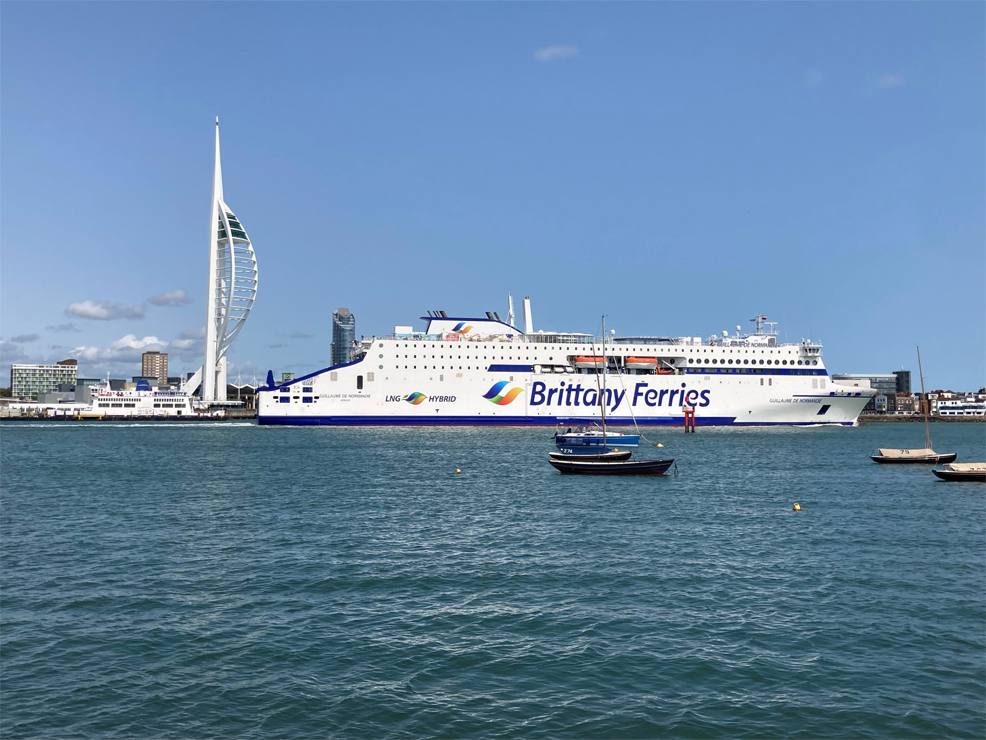
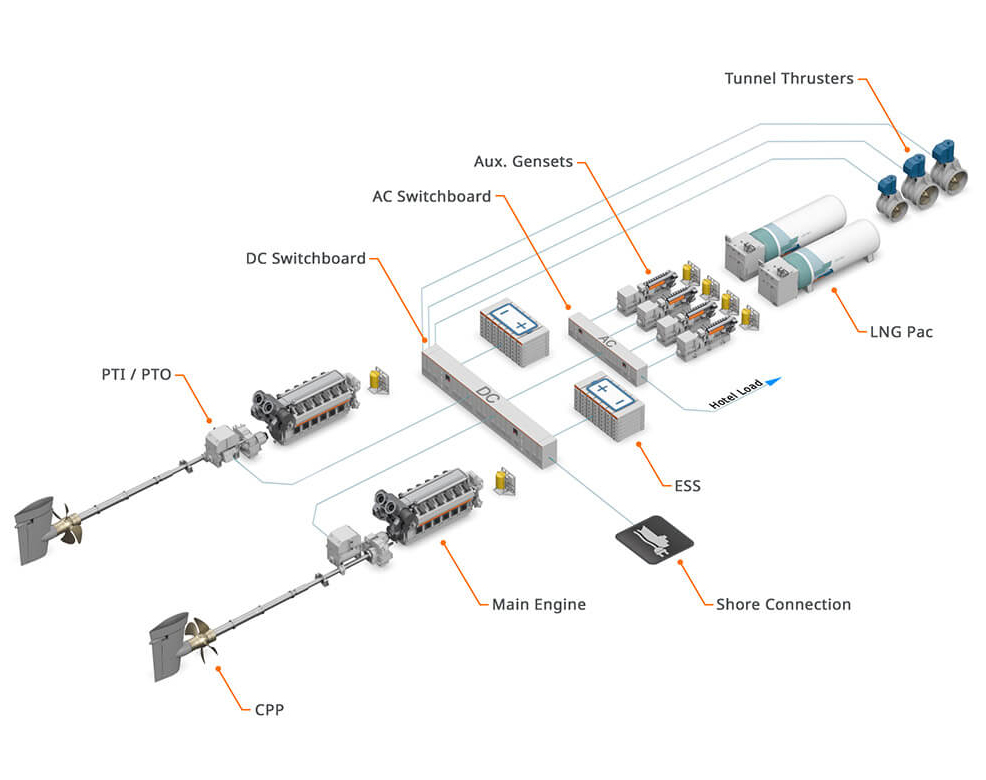
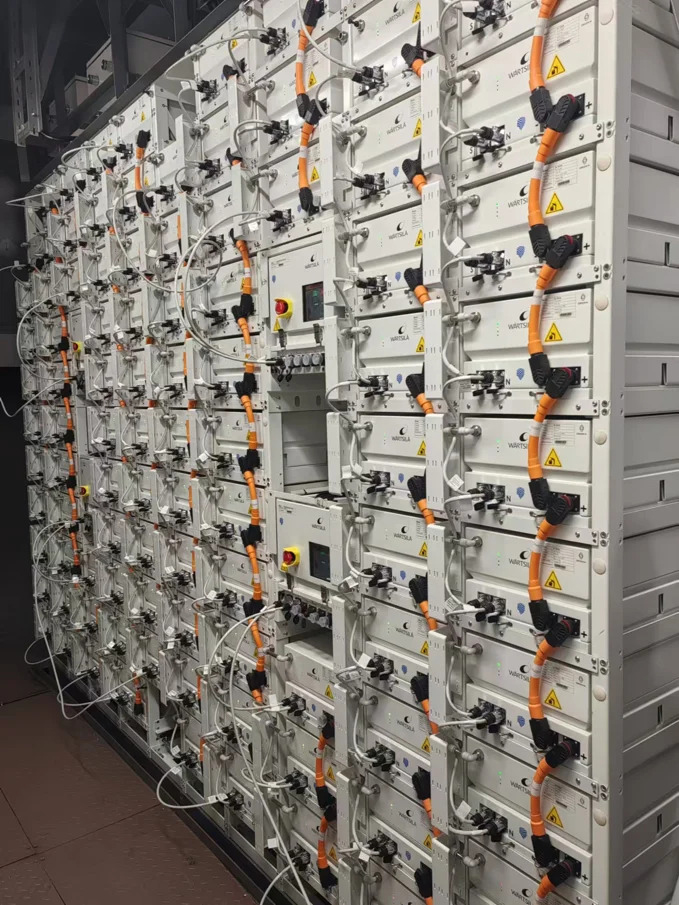
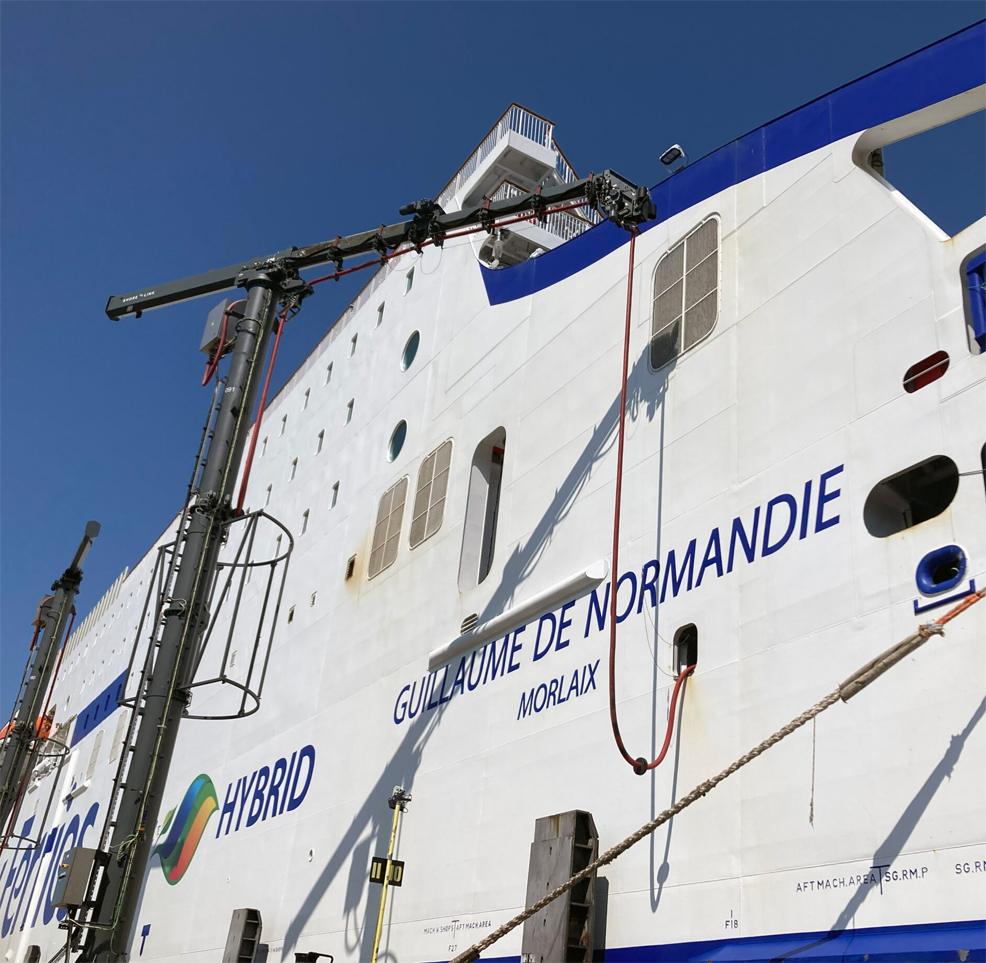
Maritime transport remains one of the hardest parts of the global transport system to decarbonise. International shipping consumes about 5% of the world's oil and emits around 700 million tonnes of carbon dioxide each year, equivalent to a country with the world's seventh-highest emissions. Large vessels require enormous amounts of energy, while fleet renewal is slow because ships often remain in service for decades, making low-carbon alternatives difficult to adopt. Ports create an additional problem because ships normally keep engines running while berthed to power lighting, ventilation, cooling and other onboard systems. Data from the UK suggests that vessels at berth can account for 63–79% of CO2 emissions and 77–93% of nitrogen oxide emissions at ports. A new system at Portsmouth International Port is beginning to tackle this problem. On 3rd August, Brittany Ferries' Guillaume de Normandie spent two hours plugged into electricity from the quayside before departing at 08:00 with around 1,100 passengers. It then manoeuvred through Portsmouth Harbour entirely on battery power, producing no exhaust emissions or engine noise, before continuing across the Channel to Ouistreham, the port for Caen in Normandy, France. The 195 m (640 ft) vessel can carry up to 1,300 passengers in 220 cabins. Its two battery rooms have a combined capacity of 11.2 megawatt-hours, the largest of any hybrid ship operating in British waters, supplying two 4.8 MW electric propulsion motors. Once clear of the harbour, the ship switches to a hybrid system combining battery power with liquefied natural gas (LNG).
Announced in September 2023, Portsmouth's SEA CHANGE initiative received £19.8 million from the Department for Transport and £4.6 million from Portsmouth City Council, alongside a further £3 million from the council to secure the additional grid capacity needed for the system. Part of the city's wider ambition to become carbon neutral by 2030, the project includes a 600 m underground cable carrying electricity at 33 kilovolts and an additional 15 MVA (megavolt-amperes) of grid capacity, all generated from clean, renewable sources. Up to three ships can connect simultaneously across the port's busiest berths. The system will avoid more than 20,000 tonnes of CO2-equivalent emissions each year from 2027, while virtually eliminating exhaust fumes and engine noise from ships operating electrically in the port. It will support Brittany Ferries' busiest route, which carries around 1.1 million passengers annually and 78% of the company's freight volumes. "This is a huge milestone for our business," said Christophe Mathieu, CEO of Brittany Ferries. "It means we can now realise the full potential of the greenest vessels in our fleet. We're better neighbours to Portsmouth, and we're leading the sector on sustainability."
Guillaume de Normandie is one of two LNG-electric hybrids in the Brittany Ferries fleet, alongside sister ship Saint-Malo. Both can recharge from Portsmouth's new shore-power system, but Guillaume de Normandie's voyage this week marks the first time a cross-Channel ferry has left the UK using electricity supplied at the quayside. Shore connections are also planned in Saint-Malo and Ouistreham, allowing battery-electric operation at both ends of more Channel crossings. The new ships can also become greener over time, as they are designed to run on sustainable maritime fuels, including synthetic "e-methane" produced using renewable electricity, when these become available in sufficient quantities. As batteries become cheaper and more energy-dense, this approach could spread to larger ships and much longer journeys. Future Timeline predicts a broader transition to battery-electric shipping during the 2030s, including increasing electrification of cargo vessels. The International Maritime Organization, meanwhile, is targeting net-zero emissions from international shipping "by or around 2050". For now, the Guillaume de Normandie remains a hybrid rather than a fully electric ferry. But its silent departure from Portsmouth offers a glimpse of how even large ships can gradually move away from fossil fuels.
Comments »
If you enjoyed this article, please consider sharing it:
|