21st September 2026 Genomics reveals first new cat species in over a century The discovery of the tilcayo in Bolivia's Yungas highlights hidden biodiversity and the growing role of DNA in future conservation.
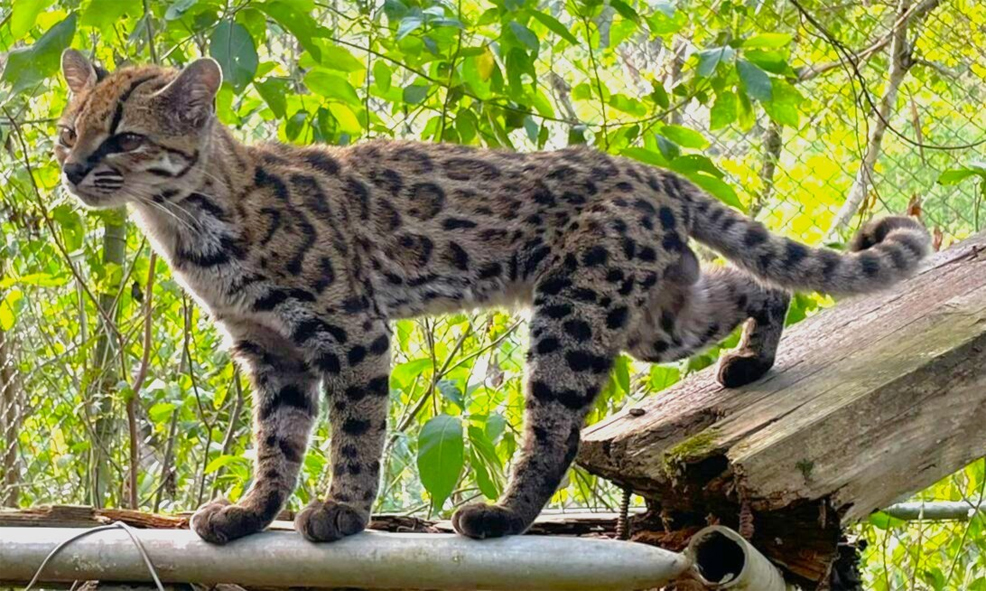
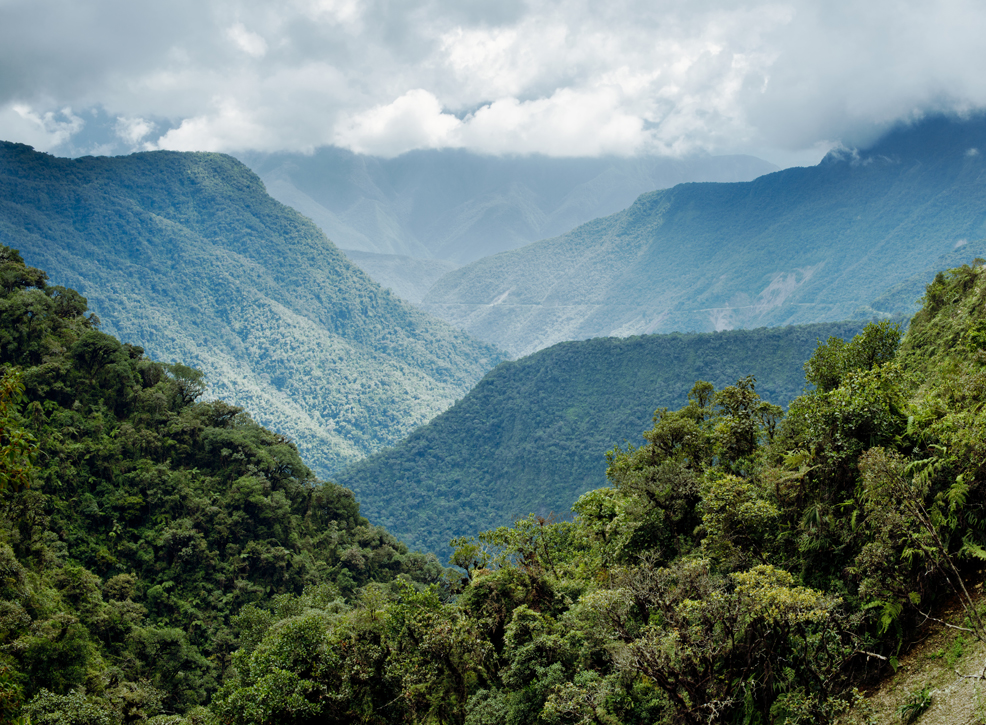
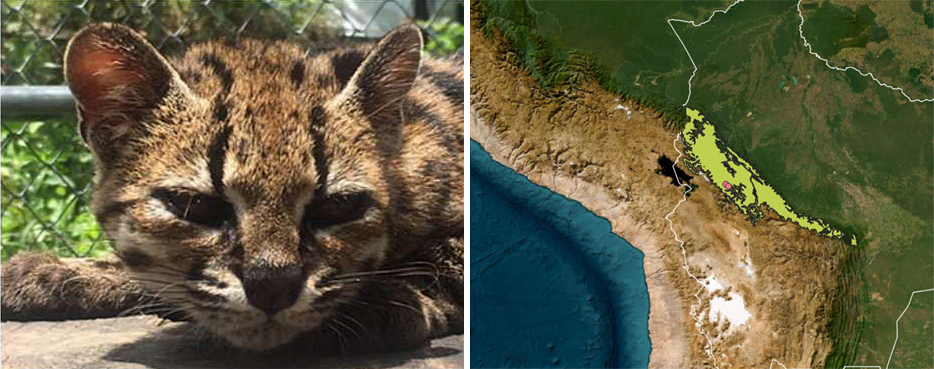
Scientists have identified a new species of wild cat in Bolivia, marking the first formal description of an entirely new living feline since 1923. The tilcayo (Leopardus tilcayo) lives in the cloud forests of the Bolivian Yungas, on the eastern slopes of the Andes. Weighing just 1.5 to 2 kg and measuring around 68 to 77 cm (27 to 30 in) from nose to tail tip, it has light-brown fur, irregular dark rosettes and a relatively long tail. Local communities in the Yungas already knew the animal as "tilcayo", a traditional name that the research team chose to preserve. The discovery came from a genomic study of cats in the Leopardus genus. Researchers analysed a total of 38 whole genomes, comprising 18 newly sequenced modern samples from blood or muscle, 12 previously published genomes, and eight newly sequenced historical samples from museums. Researchers use the term "museomics" for the genomic analysis of museum specimens. It allows them to extract genetic information from old bones, skins and other material. By combining these genetic archives with DNA from living animals, scientists can reconstruct evolutionary histories that appearance alone may hide. In this case, their results showed that what scientists had grouped together as the tiger cat complex actually consists of five distinct species – four already known to science and the newly described tilcayo. The analysis suggests that L. tilcayo split from related tiger cats around 1.4 million years ago, during the Early Pleistocene. At that time, repeated climatic changes fragmented the montane forests of the Andes. Humid forest refuges in the mountains allowed isolated populations of cloud forest species to survive and gradually diverge, helping to produce the unusually rich biodiversity now found across the Yungas.
"This study highlights how much there is still to discover about the planet's biodiversity," said Eduardo Eizirik from the Pontifical Catholic University of Rio Grande do Sul, who coordinated the research. "Even among charismatic and well-known animals like felines, species can remain unknown for centuries. Discovering and understanding these species is vital so that we also know how to protect them." Scientists still know relatively little about the animal. The new description includes measurements from just four live individuals, including two genetically confirmed cats sampled in 2018 and 2021, alongside two females documented during earlier fieldwork in 2002. The 2021 animal, an adult male, became the species' holotype (the reference specimen used to formally define a species), and remains at the Senda Verde wildlife rescue centre in Bolivia. Observations in Cotapata National Park suggest that the tilcayo hunts small vertebrates, favours dense forest undergrowth, has solitary habits and climbs trees with ease. Camera traps may indicate a wider range across the Yungas ecoregion, which extends into Peru and Argentina, but researchers cannot reliably distinguish the species from similar cats in photographs alone. For now, confirmed records remain restricted to the Bolivian Yungas. "We really don't know how many cats are still in the wild," said conservationist and study co-author Paola Nogales-Ascarrunz. "We need science, we need more studies to answer this question, which is actually critical for its conservation." The cat's habitat faces growing pressure from forest burning and clearance for coca cultivation, alongside illegal gold mining that destroys habitat and can release toxic mercury into rivers and soils. The researchers warn that the tilcayo's potentially limited range, naturally scarce populations and ongoing habitat loss may mean it qualifies as a threatened species.
Genomic modelling also points to a long-term decline in the species' effective population size, a genetic measure reflecting how many animals contribute to future generations. Population changes leave detectable patterns in DNA, allowing researchers to reconstruct broad demographic trends from whole genomes. In the tilcayo's case, the model suggests a fall of about 63% between its average Pleistocene level and the more recent Holocene epoch. However, this is a model-based estimate rather than a direct count of animals in the wild. The discovery illustrates a wider shift in conservation. Scientists can increasingly use whole-genome sequencing to identify cryptic species, measure genetic diversity and, with larger datasets, assess their potential to adapt to environmental change. The team has also identified distinctive mitochondrial DNA markers that could support non-invasive field tests (e.g. from hair or droppings), helping researchers map and monitor tilcayo populations without relying on easily misidentified camera-trap images. "The key take away from this discovery is that smaller cats are under-studied, and their classification may be much more complex than we had previously understood," said Paul Bamford of Chester Zoo, UK. "If we don't understand them, we won't know how to conserve them, so this discovery, and continued research into Bolivian species, is really important." As DNA sequencing becomes cheaper and more powerful, researchers may uncover many more species that science has overlooked, even among familiar groups such as mammals. For the tilcayo and other animals that scientists newly recognise, the challenge will then shift from discovery to long-term survival.
Comments »
If you enjoyed this article, please consider sharing it:
|