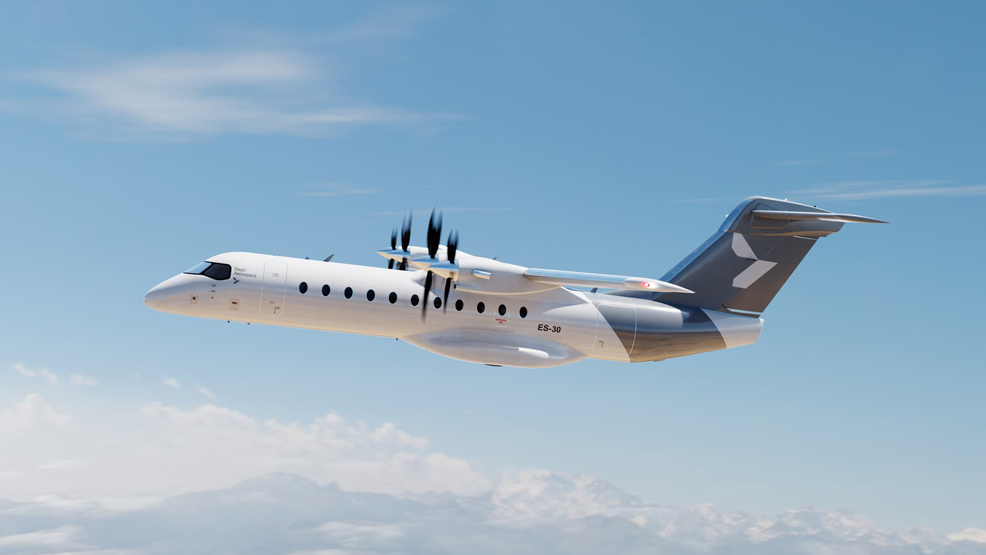
7th September 2026 World's largest battery-electric aircraft takes flight Heart Aerospace has completed a landmark test flight, bringing cleaner and potentially cheaper regional air travel a step closer.
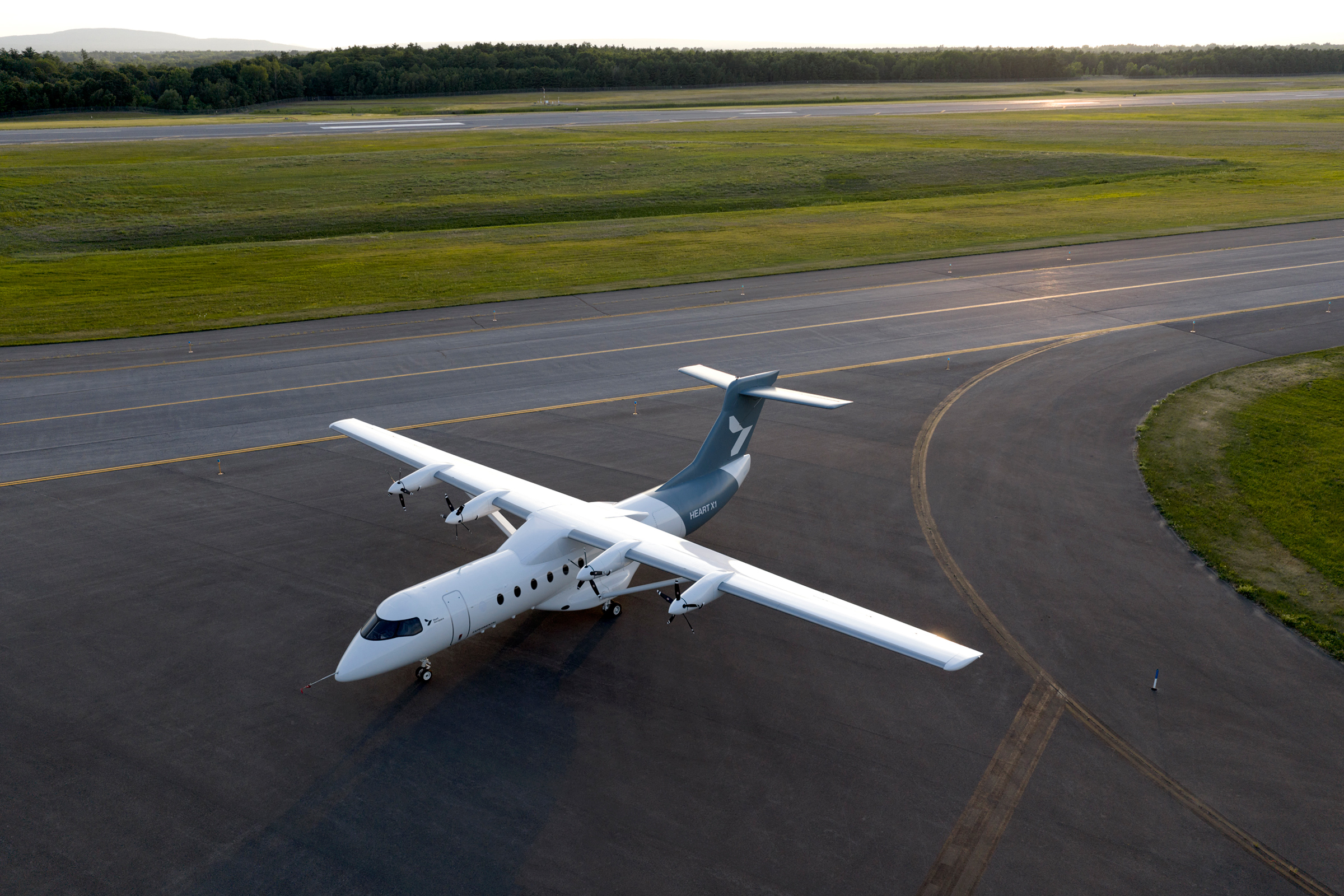
Air travel connects people and places on a scale that previous generations could scarcely imagine. But sustaining those connections in a warming world presents a growing challenge. Aviation accounts for around 2.5% of global CO₂ emissions, with contrails and other effects adding to its climate impact. Without stronger measures to curb emissions, international aviation's CO₂ output could more than double by 2050, according to Climate Action Tracker. Alongside these environmental challenges, airlines face volatile fuel prices and dependence on oil supplies that foreign governments can disrupt. Ultimately, fossil fuels also represent a finite resource. Electric aircraft offer a potential alternative, but aviation presents much greater challenges than road transport. Batteries store far less energy per kilogram than jet fuel, limiting how far an aircraft can fly while carrying a useful passenger load. Unlike fuel, they also retain their weight throughout a journey. Such constraints help explain why aviation remains a "hard-to-abate" sector, where deep emissions cuts are technically difficult. Heart Aerospace has now flown what it describes as the largest battery-electric aircraft in history. Its X1 demonstrator takes the technology to the scale of a regional airliner, marking a significant step towards electric passenger services. Anders and Klara Forslund founded the company in Gothenburg, Sweden, in 2018. Heart relocated its headquarters to Los Angeles in 2025, where it now operates a plant for building prototype aircraft. Heart built the full-scale demonstrator almost entirely in-house at its Swedish facilities and unveiled it in September 2024. Engineers developed both the aircraft and manufacturing processes, using X1 to test technologies for the company's planned ES-30 regional airliner. Before its first flight, the demonstrator underwent many months of ground testing, including structural checks, propulsion tests and low- and high-speed taxi trials. With a wingspan of 32.3 m (106 ft), length of 23.2 m (76 ft), and take-off weight exceeding 11.3 tonnes (25,000 lbs), X1 demonstrates how far electric aviation has progressed. Last month, it completed a 27-minute piloted flight from Plattsburgh International Airport in northern New York, climbing to 335 m (1,100 ft) above ground while its entirely battery-powered propulsion system delivered more than one megawatt of power.
Click to enlarge

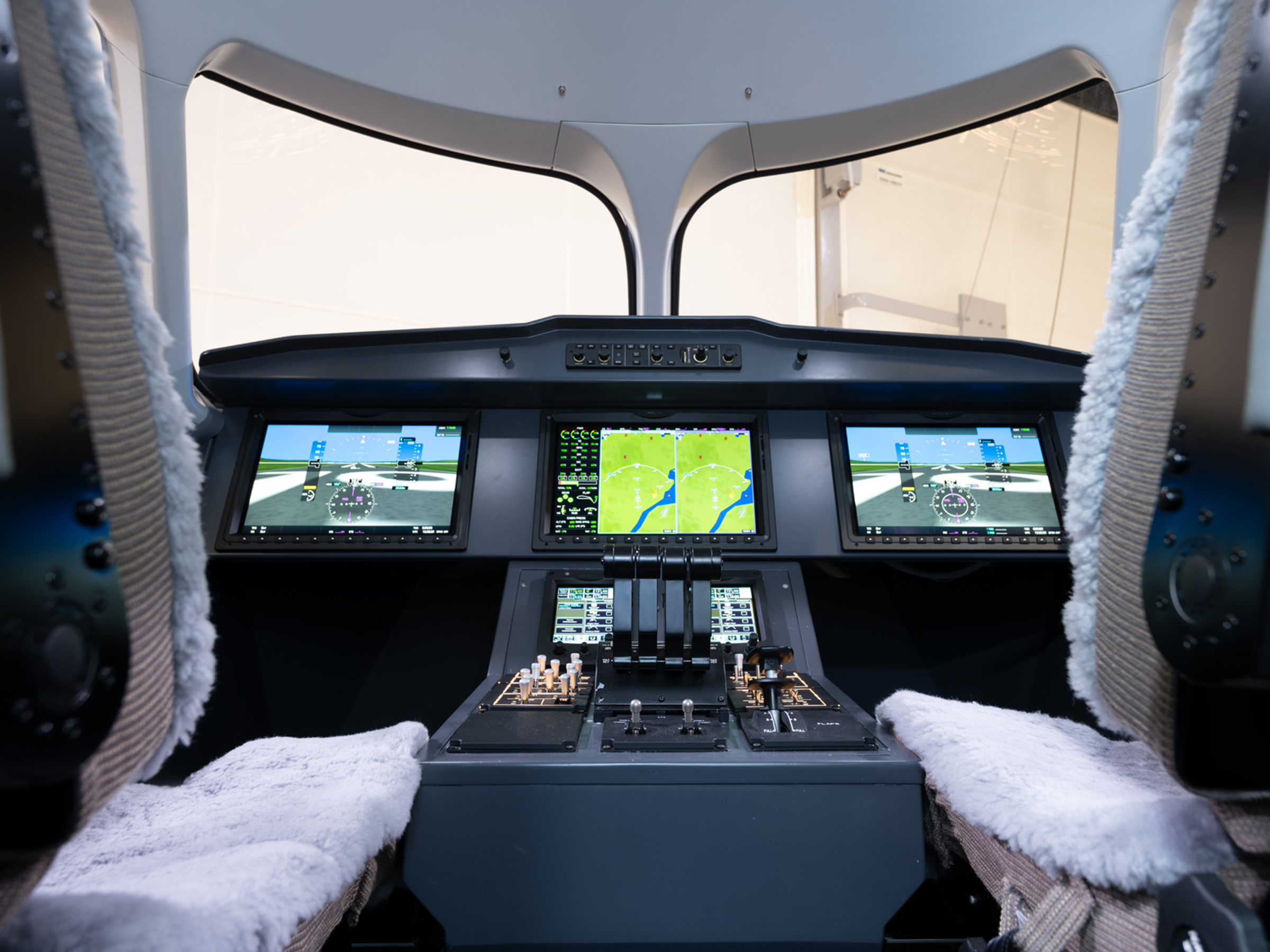

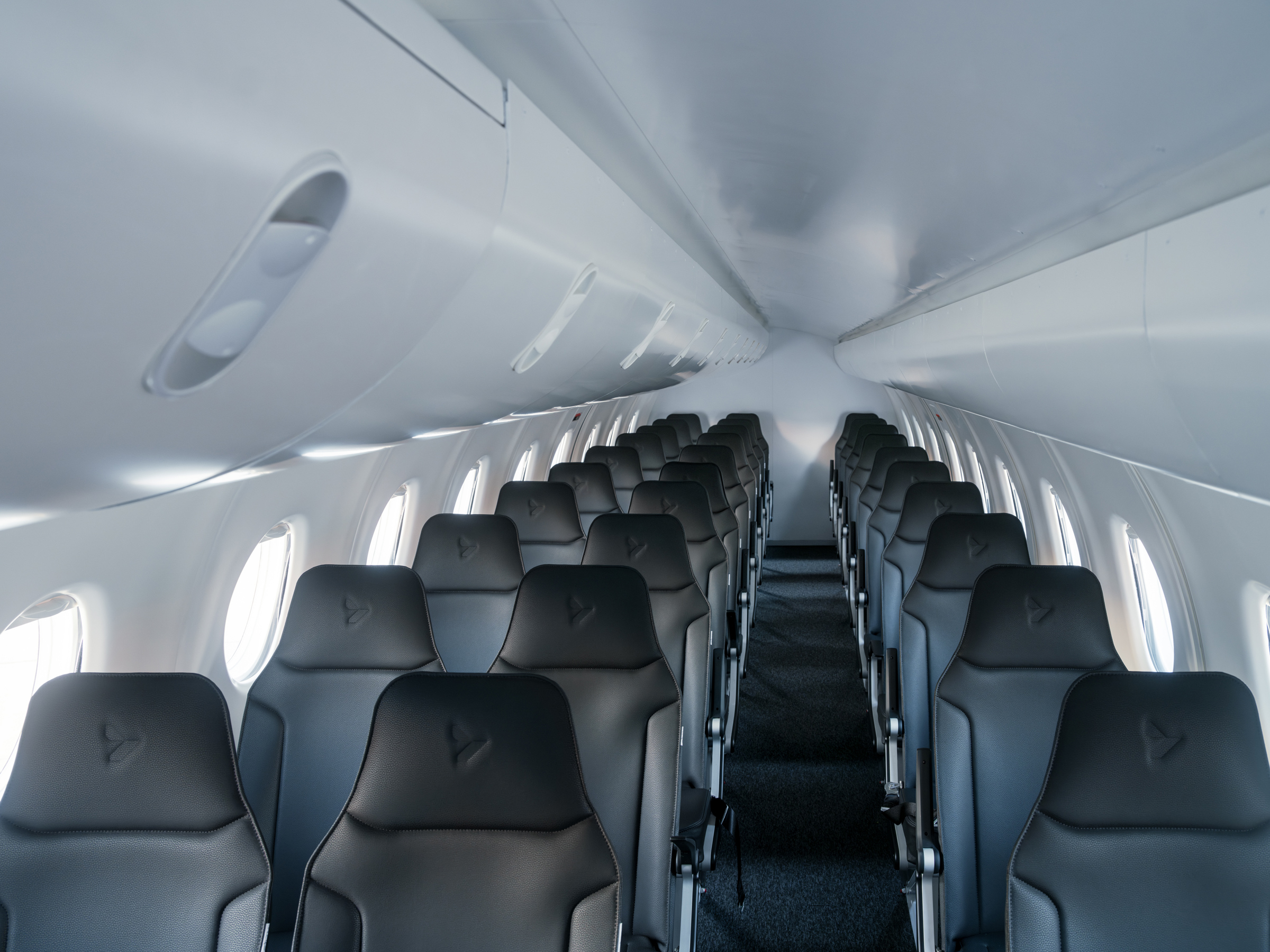

Heart says the flight consumed only $5 worth of electricity. That figure covers electricity alone, rather than the full cost of operating the aircraft, but illustrates the potential for substantial savings on energy costs. "With the first flight of X1, Heart Aerospace has demonstrated electric flight at the scale of a commercial airliner," said co-founder and CEO Anders Forslund. "Electric commercial aircraft have the potential to fundamentally reshape airline economics and, ultimately, lower the cost of air travel for passengers. This is at the heart of our vision for abundant air travel, with electrification enabling more affordable, frequent and cleaner air service to and from airports closer to home." X1 serves as a full-scale test aircraft for Heart's planned ES-30, a 30-seat regional airliner. While the demonstrator runs entirely on batteries, the production aircraft will use hybrid-electric propulsion for longer routes. Heart is currently targeting a battery-only range of 200 km (124 miles), with hybrid operation extending its reach to 800 km (497 miles).
The company is also targeting a 30-minute charging time, helping airlines maintain frequent services with short stops between flights. Fully electric journeys would produce no onboard CO₂ emissions, although their overall climate footprint would depend on electricity generation and manufacturing. Heart is developing its first pre-production ES-30 in Los Angeles, targeting flight testing in 2028 and entry into service in 2031. It expects operating costs to be more than 40% below those of older regional aircraft, thanks to cheaper energy and simpler electric propulsion and flight systems that require less maintenance. Heart also expects improvements in electronics and software to increase reliability and reduce downtime, allowing aircraft to spend more time in service. If Heart Aerospace can achieve these goals, electric aviation could make short regional routes both cleaner and more affordable, strengthening connections between smaller communities. Better batteries could gradually extend that opportunity to longer journeys. Long-haul electric flight would require much larger technological advances, but aircraft such as X1 offer a tangible starting point.
Comments »
If you enjoyed this article, please consider sharing it:
|