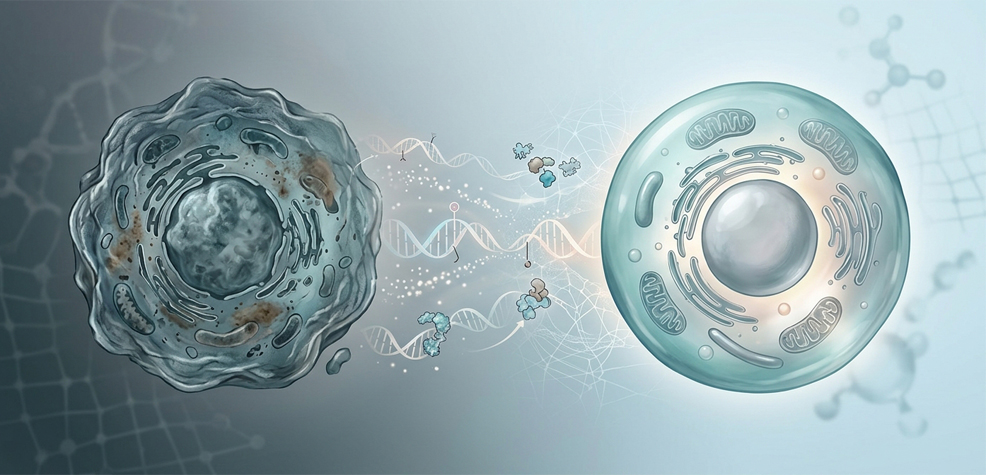
12th October 2026 Scientists rewind human cells' molecular age by decades Researchers in Germany have transformed elderly blood cells into much younger neural stem cells, offering new insights into the mechanisms of cellular aging and rejuvenation.
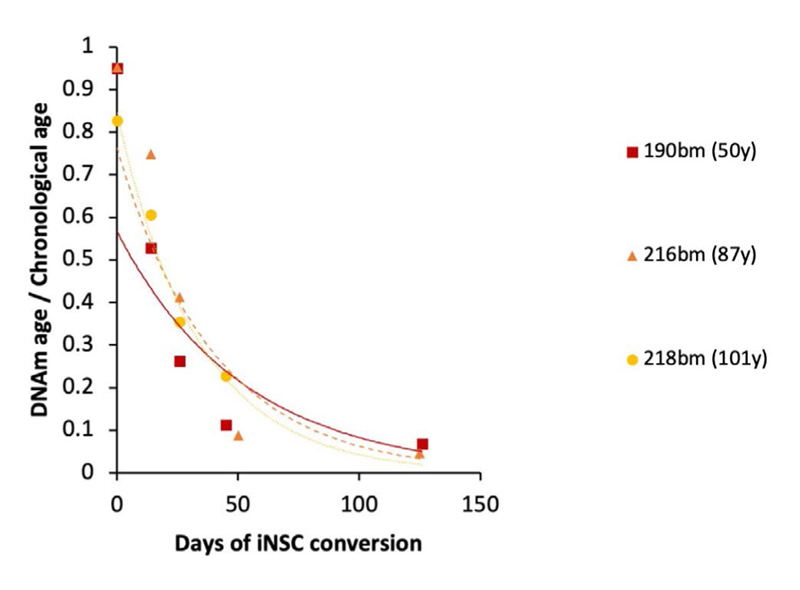
Scientists in Germany have successfully converted blood cells from donors as old as 101 into neural stem cells with dramatically reduced molecular ages, effectively reversing decades of cellular aging according to an epigenetic clock. The breakthrough comes from researchers at the Institute of Reconstructive Neurobiology, part of the University Hospital Bonn and University of Bonn. Their findings appear this month in the peer-reviewed journal Aging Cell. Using modified viruses to deliver genetic instructions for two proteins called SOX2 and cMYC, the team reprogrammed immature red blood cell precursors into neural stem cells, which can develop into neurons and other cell types found in the brain. The researchers first demonstrated this technique in 2018, using blood cells from six donors aged 31 to 62. Their latest study extends the findings to 15 donors, ranging from newborns to a 101-year-old, and reveals new details about how the rejuvenation process unfolds over time. Remarkably, the transformation also reset the cells' biological clocks. These so-called epigenetic clocks measure patterns of chemical modifications to DNA that change with age and influence how genes function, without altering the underlying genetic code. The researchers found that newly converted stem cells had an epigenetic age equivalent to, on average, just 13% of their donors' chronological ages. And with further cultivation, this figure fell to 5%. Cells from even the oldest donors also lost several other molecular and cellular characteristics associated with aging. Unlike conventional reprogramming into pluripotent stem cells, which can reset epigenetic age in around 20 days, the Bonn team's direct conversion method produced a much slower transformation. Most of the age-related epigenetic changes disappeared over roughly 50 days, while the researchers continued tracking the process for more than 100 days.
The epigenetic age of human cells declines dramatically during their conversion from blood cells into neural stem cells. Samples from donors aged 50, 87 and 101 show substantial rejuvenation over approximately 50 days, with further reductions observed during extended cultivation. Source: Berg et al., Aging Cell (2026), Figure 2B (cropped). CC BY 4.0.
"We converted blood cells directly into neural stem cells – that is, without first passing through the pluripotent cell stage," said Professor Oliver Brüstle, director of the institute. "In our approach, rejuvenation occurred gradually and could be tracked for over 100 days." This extended timescale offers scientists a valuable opportunity to investigate how cellular rejuvenation works. Interestingly, the researchers also discovered that the process continued even when they slowed or inhibited cell division, suggesting that rejuvenation does not simply result from cells repeatedly multiplying. Such findings could eventually prove valuable in the fight against age-related diseases. As Brüstle notes, "age is the most important risk factor" for neurodegenerative conditions such as Alzheimer's. For now, the research remains at an early, experimental stage. Reversing molecular aging in laboratory-grown cells does not yet demonstrate that scientists can safely rejuvenate entire tissues or human beings. Nevertheless, by revealing how cells can regain youthful characteristics, this work could help identify new drugs, treatments and regenerative therapies, potentially opening exciting possibilities for combating aging and its associated diseases in the decades ahead.
Comments »
If you enjoyed this article, please consider sharing it:
|