
![[+]](https://www.futuretimeline.net/images/buttons/expand-symbol.gif)
|
|
|
|
|
|
2080-2085
NASA's Interstellar Probe reaches 1,000 AU
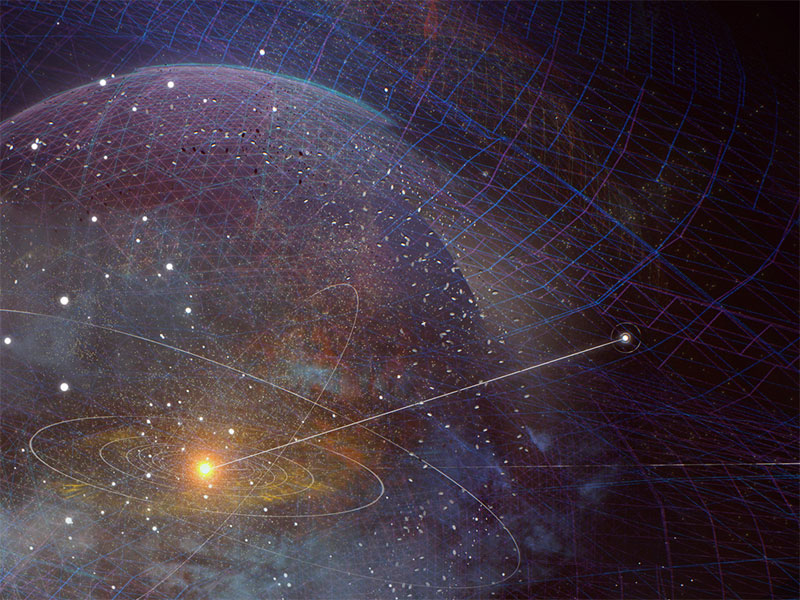
The Interstellar Probe (IP) is a very long-term and long-range space mission, designed by the Johns Hopkins University Applied Physics Laboratory (APL) and funded by NASA, to explore beyond the edge of the Solar System further than any previous spacecraft.* Launched in the early 2030s, it travels to a target destination of 1,000 astronomical units (AU), or 1,000 times the distance from the Sun to Earth.
Five earlier spacecraft had passed through the heliopause – an invisible boundary where the Sun's solar wind is stopped by the interstellar medium, because the solar wind is no longer strong enough to push back the stellar winds of surrounding stars. These were Voyager I (2012), Voyager II (2018), Pioneer 11 (2027), New Horizons (2043) and Pioneer 10 (2057).*
The Interstellar Probe, however, is designed to go much further than ever before. One of its main objectives is the obtaining of an updated "Pale Blue Dot" image (first made famous by Voyager I in 1990), this time from a vantage point almost 25 times more distant. In other words, it aims to capture a photo looking back at Earth and the entire contents of the heliosphere while located at 150 billion km (93 billion miles) from the Sun. This is 0.02 light years, or about 5.8 light days and roughly halfway to the inner edge of the Oort cloud.
The mission is launched by a powerful new rocket, NASA's Space Launch System (SLS), which helps generate the velocity needed to cross the Solar System in record time. The nuclear-powered probe swings by Jupiter for a gravity assist and further speed boost. It reaches the heliopause in just 15 years,* covering 8 AU per year, more than twice as fast as the earlier Voyager probes. It then continues onward into deep space, remaining operational for another 35 years, with its final transmissions received at ~1,000 AU.* Along the way, objects in the Kuiper Belt and beyond are looked for, including rogue planets, while dust distributions are studied to provide constraints on the total number of bodies in this remote region.
In addition to capturing imagery of the distant Earth and other points of interest, the IP determines the size and shape of the heliosphere "bubble" surrounding our Solar System and confirms the density of atoms per cubic metre at progressively further locations. This large-scale model of the heliosphere can be extrapolated to other star systems, revealing new knowledge of stellar dynamics, showing how our own heliosphere fits in the family of other astrospheres and providing new clues about the habitability of exoplanets.
The IP becomes the first NASA mission to characterise, in detail, the local interstellar medium (LISM) lying beyond the heliosphere. Earlier studies had hinted at not one, but possibly four different interstellar clouds in contact with our heliosphere. A more detailed picture of our galactic neighbourhood and how it shapes our heliosphere is formed by data from the IP. This determines whether our Sun is entering a new region of interstellar space with drastically different properties.
Credit: Johns Hopkins APL
2080
Some humans are becoming more non-biological than biological
Today, the average citizen has access to a wide array of biotechnology implants and personal medical devices. These include fully artificial organs that never fail, bionic eyes and ears providing Superman-like senses, nanoscale brain interfaces to augment the wearer's intelligence, synthetic blood and bodily fluids that can filter deadly toxins and provide hours' worth of oxygen in a single breath.
Some of the more adventurous citizens are undergoing voluntary amputations to gain prosthetic arms and legs, boosting strength and endurance by orders of magnitude. There is even artificial skin based on nanotechnology, which can be used to give the appearance of natural skin when applied to metallic limbs.
These various upgrades have become available in a series of gradual, incremental steps over preceding decades, such that today, they are pretty much taken for granted. They are now utilised by a wide sector of society – with even those in developing countries now having access to some of the available upgrades due to exponential trends in price performance.
Were a fully upgraded person of the 2080s to travel back in time a century and be integrated into the population, they would be superior in almost every way imaginable. They could run faster and for longer distances than the greatest athletes of the time; they could survive multiple gunshot wounds; they could cope with some of the most hostile environments on Earth without too much trouble. Intellectually, they would be considered geniuses – thanks to various devices merged directly with their brain.

Construction of a transatlantic tunnel is underway
Built from advanced automation and robots – and controlled by AI – this is among the largest, most ambitious engineering projects ever undertaken. With hyperfast Maglev up to 4,000mph, passengers using the tunnel can be delivered from Europe to America in under an hour.
Carbon nanotubes, along with powerful geo-sensing devices, have been paramount in the structure's design – these can self-adjust in the event of undersea earthquakes, for example. Also noteworthy is that the train cars operate in a complete vacuum. This eliminates air friction, allowing hypersonic speeds to be reached. The cost of this project is in the region of $88-175bn.*

Credit: Mdf
Many former Winter Olympics venues no longer provide snow
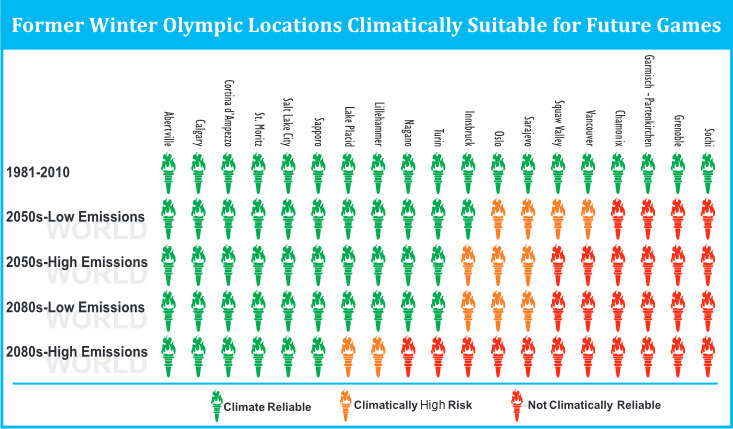
Rising temperatures have rendered many former Winter Olympic sites "climatically unreliable" – that is to say, unable to provide snow on a regular basis.* Although geoengineering efforts have been underway for some time, these have not yet managed to stabilise the global climate.* Former locations that are now either unsuitable or forced to rely on artificial snow include Sochi (Russia), Grenoble (France), Garmisch-Partenkirchen (Germany), Chamonix (France), Vancouver (Canada) and Squaw Valley (US), with a number of others remaining at high risk. Aside from the Olympics, winter sports in general are increasingly being moved indoors, or are taking place in simulated environments.
Polar bears face extinction
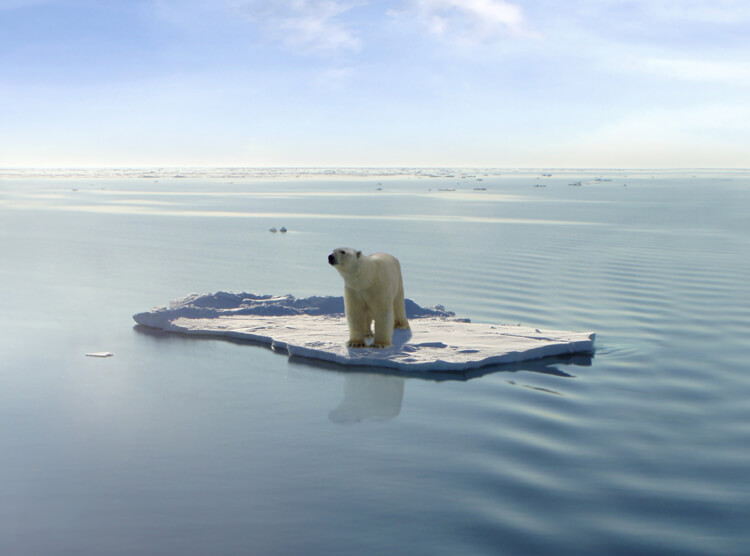
Between 2000 and 2050, polar bear numbers dropped by 70 percent, due to shrinking ice sheets caused by global warming. By 2080, they have disappeared from Greenland entirely – and from the northern Canadian coast – leaving only dwindling numbers in the interior Arctic archipelago.*
Of the few which remain, ice breaking up earlier in the year means they are forced ashore before they have time to build up sufficient fat stores. Others are forced to swim huge distances, which exhausts them, leading to drowning. The effects of global warming have led to thinner, stressed bears, decreased reproduction, and lower juvenile survival rates.
One in five lizard species are extinct
The ongoing mass extinction has claimed many exotic and well-known lizards.* One in five species are now extinct as a result of global warming. Lizards are forced to spend more and more time resting and regulating their body temperature, which leaves them unable to spend sufficient time foraging for food.

2083
Brain cancer is effectively eliminated in developed countries
By 2083, brain and nervous system cancers – once among the most feared and intractable malignancies – have been reduced to an almost vanishing rarity in developed regions. The age-standardised mortality rate (ASR), which remained stubbornly between 2.5 and 3.0 per 100,000 for much of the late 20th and early 21st centuries,* is now below 0.01 per 100,000.
These cancers posed unique challenges compared to others. Throughout the 20th century, clinicians struggled with their complexity and variability: dozens of distinct tumour types affected the brain, spinal cord, and peripheral nervous system, each having different behaviours and outcomes. The blood–brain barrier made it notoriously difficult to deliver drugs effectively, while surgical options were often risky due to the delicate structures involved. Despite the wider decline in many cancers during the early 21st century, brain tumours showed little improvement, with mortality rates stagnating for decades.
A turning point emerged in the 2030s.*** Breakthroughs in neuro-oncology and biotechnology allowed researchers to overcome barriers that had frustrated previous generations. Early applications of nanomedicine made it possible to cross the blood–brain barrier safely, delivering drugs with unprecedented precision. Liquid biopsies and advanced imaging systems began detecting tumours at much earlier stages,** while AI-assisted diagnostic platforms classified tumour subtypes with extraordinary accuracy.
Growing concern over environmental contaminants also played a role. During the first half of the 2020s, researchers began detecting micro- and nanoplastics in human brain tissue, with retrospective analyses later showing they had accumulated even earlier. One study in 2025 estimated that such particles now accounted for nearly 0.5% of brain tissue by weight, about 50% more than in the previous decade.* Experimental models demonstrated that microplastics could breach the blood–brain barrier and trigger neuroinflammatory effects. Although links to cancer remained uncertain, mounting worries about long-term neurological harm spurred governments and industry to expand funding for brain health research, including oncology, alongside more scrutiny of pollutants and industrial chemicals. Together, these pressures accelerated the development of new diagnostics and treatments that began to bend the mortality curve downwards. By the mid-2040s, combined advances had driven ASR mortality below 1 per 100,000 for the first time.
Progress continued through subsequent decades, with successive innovations pushing mortality ever closer to elimination. Swarm-based nanodevices, building on the clinical nanomedicine trials of the mid-21st century, allowed surgery at the cellular scale, repairing or removing malignant tissue without collateral damage. Personalised vaccines and off-the-shelf T-cell therapies were tailored to neurological tumours, training the immune system to seek and destroy even the most elusive cancer cells. Genetic editing tools advanced to the point where precancerous mutations could be repaired before tumours formed, essentially "vaccinating" high-risk individuals against future disease. Artificial general intelligence (AGI), running on quantum-accelerated platforms and applied to vast global datasets, simulated trillions of molecular interactions to design bespoke drugs in minutes. It also created dynamic treatment protocols that adapted in real time to a tumour's evolution, giving doctors an unprecedented ability to stay one step ahead of the disease.
By 2083, health systems in the developed world have effectively eradicated cancers of the brain and nervous system. Only highly atypical, mutation-driven cases still occur, and doctors routinely cure these with a suite of rapid, advanced interventions. Once regarded as one of the most devastating diagnoses in medicine, brain cancer now appears only as a rare anomaly, and clinicians treat it with minimal disruption to patients' lives.
With formerly lethal cancers – including those of the lung, kidney, and now the brain – reduced to the margins of medical concern, humanity has largely conquered the most dangerous solid tumours of the past. Only a handful of particularly resistant diseases – such as pancreatic cancer – still stand as outliers, though even these are now in the twilight of their reign.

Projection uses a smoothed pre-inflection curve joined in 2036 to an optimistic Gompertz decline (breakthrough-driven). Milestones: ASR < 1.0 in 2043 and ASR < 0.01 in 2083.
V Sagittae becomes the brightest star in the night sky
In 2083, a previously faint star system known as V Sagittae erupts in a spectacular nova outburst, becoming the brightest star in the night sky.* V Sagittae is a cataclysmic variable binary, located approximately 7,800 light years from Earth. During earlier observations, it was found to consist of a main sequence star of about 3.3 solar masses and a white dwarf of about 0.9 solar masses, orbiting each other every 0.5 days. At such close range, material from the larger star accreted onto the white dwarf at an exponentially increasing rate.
From 1890 to 2020, the pair brightened by a factor of 10 and continued to gain in magnitude throughout subsequent decades. Astronomers considered the difference in mass between the two as highly unusual – in all other cataclysmic variables (CVs), the white dwarf was more massive. This made V Sagittae the most extreme of all known CV systems, about 100 times more luminous than normal and with a powerful stellar wind equal to the most massive stars prior to their deaths.
Observed to be in the late stages of an in-spiral, the two would ultimately collide and coalesce, creating a powerful burst of light. This occurs in 2083 and results in a tremendous release of gravitational potential energy, driving a stellar wind as never before seen, and raising the system luminosity to near that of a supernova at its peak. This explosive event lasts for more than a month, as the objects merge into one star, during which time V Sagittae outshines even Venus and Sirius. The merger creates a degenerate white dwarf core, and a hydrogen-burning layer, surrounded by a vast gas envelope consisting mostly of hydrogen – eventually becoming a red giant.

Credit: Bob King, Sky & Telescope
2084
Cultivated meat overtakes conventional meat
For many thousands of years, animal husbandry formed one of the foundations of human civilisation. Beginning with the domestication of livestock during the Neolithic period, communities learned to raise cattle, sheep, goats, pigs, poultry and other animals for meat, milk, eggs, hides and labour. As agriculture spread and populations grew, livestock farming became deeply embedded in economies, landscapes, cuisines and cultural traditions across much of the world.
Successive agricultural revolutions greatly increased the productivity and scale of this system. Selective breeding, improved pastures and crop rotations raised yields during the early modern period, while mechanisation, refrigeration, railways and industrial processing transformed meat production and distribution during the 19th and 20th centuries. By the early 21st century, enormous global supply chains connected farms, feed producers, slaughterhouses, processing plants, supermarkets and restaurants, supplying hundreds of millions of tonnes of meat each year.
Yet the environmental and ethical costs of this expansion became increasingly difficult to ignore. Livestock farming occupied vast areas of land, consumed huge quantities of water and animal feed, contributed substantially to greenhouse gas emissions and placed growing pressure on forests, soils and biodiversity. Intensive farming also raised concerns over animal welfare, pollution and the use of antibiotics. During the early decades of the 21st century, these pressures coincided with rapid advances in plant-based foods, fermentation and cellular agriculture, creating the foundations of a very different food system. Once cultivated beef and chicken became cost-competitive in the late 2030s, adoption accelerated across the following decades, helping to push conventional meat into global decline by the 2070s.
By 2084, that transition has reached another milestone,* with cultivated meat now surpassing conventional meat as the largest single source of global meat-equivalent consumption, supplying around 41% of the market, compared with only 38% from livestock. Meanwhile, 12% of meat now comes from plant-based alternatives and 9% from fermentation-derived foods. This crossover marks one of the most significant changes in the long history of agriculture. Less than a decade earlier, conventional meat still supplied roughly half of global consumption.
The cultivated industry of the 2080s bears little resemblance to its experimental beginnings. Enormous, fully automated production facilities now manufacture beef, chicken, pork, lamb, duck and other familiar meats alongside highly sophisticated whole cuts, fats and specialist products. Cellular agriculture also produces a huge variety of seafood, as well as more unusual foods that once required farming, hunting or fishing particular species in the wild. Some products replicate rare regional delicacies, game meats and even foods such as frog or snail without requiring the animals themselves.
At the same time, food production has become increasingly decentralised. Compact automated systems supply restaurants, shops, hospitals and residential communities, while some wealthier households use advanced food fabricators that combine cultivated, plant-based and fermentation-derived ingredients into freshly prepared meals within minutes. These appliances do not literally grow a steak from cells in a few minutes; instead, they assemble, texture and cook ingredients produced elsewhere in highly efficient biological manufacturing systems. Similar closed-loop technologies operate aboard spacecraft and in permanent off-world settlements, where raising conventional livestock would consume excessive space, water and other resources.
This transformation has made food supplies more resilient. Meat production depends far less on rainfall, grazing conditions, harvests of animal feed or outbreaks of livestock disease, while factories can operate close to major population centres and adjust output quickly to changes in demand. Although food prices still respond to occasional economic, climatic and supply-chain disruptions, meat and protein markets experience far less of the volatility that characterised parts of the early and mid-21st century.
The environmental effects have become equally profound. By now, the continuing contraction of livestock agriculture has released enormous areas of pasture and feed cropland, allowing forests, wetlands and other ecosystems to recover while drastically reducing demand for freshwater. Agricultural methane emissions have fallen sharply and pressure on biodiversity has eased. Alongside the decarbonisation of energy, transport and industry, these changes are helping the long rise in global temperatures to flatten as the climate gradually approaches a new, warmer equilibrium.
For animals themselves, the change is unprecedented. Humanity now obtains most of its meat-equivalent foods without breeding and slaughtering animals for that purpose. In many countries, killing an animal simply to obtain meat when a virtually indistinguishable alternative exists has acquired a strong social stigma, particularly among younger generations. Some jurisdictions have gone further by banning routine commercial slaughter for food. Elsewhere, the killing of animals for food remains permitted, though increasingly concentrated in traditional practices, small-scale farming, hunting and other specialist activities. Practices once considered ordinary throughout the world increasingly survive as cultural or premium niches.
Conventional meat therefore still retains a significant presence in 2084. Pastoral communities, heritage farms, luxury producers and regions with limited access to advanced manufacturing continue to support a substantial livestock industry. Cultural traditions also slow the transition in many places. But its decline is now clearly irreversible. Meat produced without whole animals offers economic advantages, uses less land and water, reduces the risk of disease outbreaks and generates less pollution, while its appeal is further strengthened by changing attitudes towards animal welfare.
During the final years of the century, cultivated meat continues to gain market share, while plant-based and fermentation-derived foods remain firmly established alongside it. Conventional livestock products shrink to a minority of global consumption and retreat increasingly into traditional, premium and specialist markets. A food system that depended on animal husbandry for millennia is giving way to one based increasingly on cellular agriculture, fermentation and highly automated biological manufacturing.

Robotic brains match the energy efficiency of human brains
During the early 21st century, researchers began to prioritise power efficiency as a key factor in the development of computing systems. The growing demand for more powerful technology required innovations in thermal management and energy consumption, both to lower environmental impacts and to prevent overheating in densely packed hardware. As computing power increased exponentially, so too did the need for machines that could process vast amounts of data without consuming unsustainable levels of energy.
Supercomputers at this time were power-hungry behemoths, often consuming tens of megawatts of electricity – equivalent to a small town. The Green500 list emerged in 2007 as an offshoot of the Top500 list of the world's leading systems, based not just on performance, but also energy usage per FLOP (floating point operations per second).*
In 2022, Frontier became the first supercomputer to reach 1 exaFLOP, or a million trillion (1,000,000,000,000,000,000) FLOPS when unveiled at Oak Ridge National Laboratory in Tennessee. While this machine ranked second in terms of energy efficiency, a smaller-scale version known as Frontier TDS (test and development system) achieved first place on the Green500, with 62.7 GFlops/watt.
Although biological and non-biological systems differed in their processing of information, research had shown that the human brain possessed a "thinking speed" equivalent to about 1 exaFLOP. Achieving this level of performance in machines marked a particularly notable milestone for Frontier and other high-performance computing systems.
As well as conventional supercomputers, progress in so-called neuromorphic computing played a crucial role in improving energy efficiency. Unlike traditional architectures measured in FLOPS, these brain-inspired systems processed information through spiking neural networks, mimicking the way neurons communicate in the brain. By handling complex tasks with a fraction of the power required by earlier machines, neuromorphic chips helped pave the way for breakthroughs in energy-efficient computing.
These advances in neuromorphic design, alongside improvements in cooling and other techniques, led to increasingly efficient supercomputers. By the 2040s, engineers could achieve an exaFLOP of performance within a single 100-kilowatt (kW) server rack, approximately the size of a wardrobe.
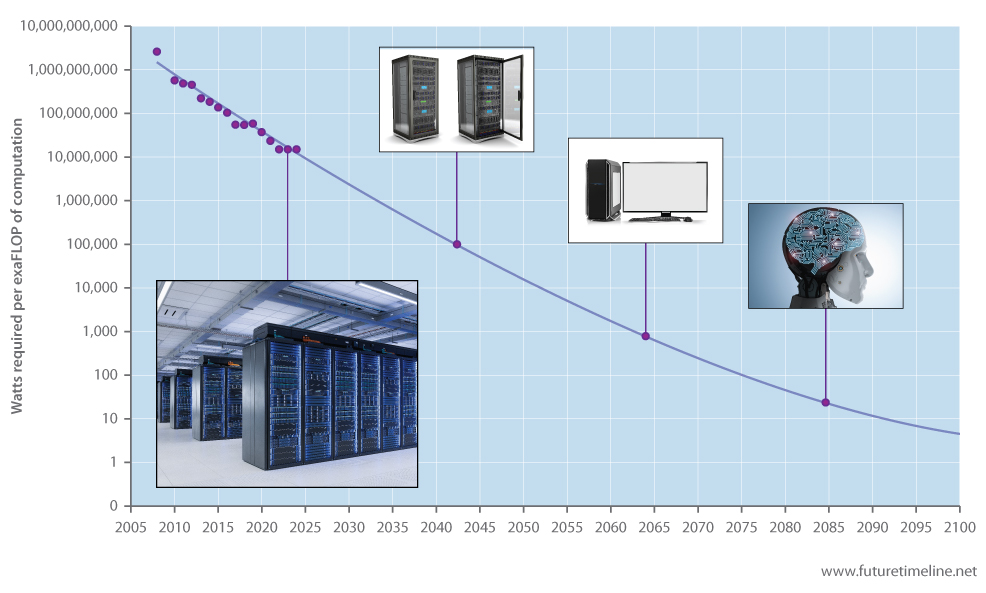
The 2060s marked another pivotal milestone, as exaFLOP performance could now be achieved in desktop machines. This miniaturisation brought immense computing power to homes, businesses, and laboratories, revolutionising fields such as medicine, environmental modelling, and human-computer interfaces. These machines, while still consuming hundreds of watts, were a giant leap forward in efficiency compared to their predecessors.
Today, in 2084, the same processing capacity as a biological human brain – 1 exaFLOP – can be achieved using a mere 20 watts. This trivial amount of power is less than a typical incandescent light bulb.
The packing of so much computation into ever smaller volumes has fundamentally altered society in recent decades, creating what might now be described as a post-Singularity world. Humanoid androids are largely indistinguishable from real people in both appearance and behaviour. Previously confined to boring, dangerous, or undesirable jobs, these machines are taking on increasingly prominent roles in many professions. While this development has caused immense disruption to the global employment landscape, it has also solved many demographic challenges that arose earlier in the century.
As the line between androids and real people becomes ever more blurred, the debate over android rights has intensified in recent years. The latest generation of robots has gained increased legal recognition, with many landmark court cases, resulting in some governments now granting them limited forms of personhood. Some androids possess what seems to be a form of artificial consciousness, raising further ethical questions about their treatment and status in society. As they become more integrated into daily life, the boundaries of human rights and android rights are constantly being tested.
The applications of human-level energy efficiency in computing extend beyond androids. With 1 exaFLOP of computing at just 20 watts, medicine and other fields are being revolutionised too. Brain-computer interfaces, advanced prosthetics, and human augmentation are flourishing as the true age of transhumanism dawns.
Even more speculative applications – such as mind uploading – are beginning to emerge from the realm of science fiction and into serious scientific inquiry. Looking ahead to the 22nd century, the possibilities for integrating human consciousness with machines may lead to new forms of existence, making the distinction between organic and artificial life disappear entirely.
Androids are widespread in law enforcement
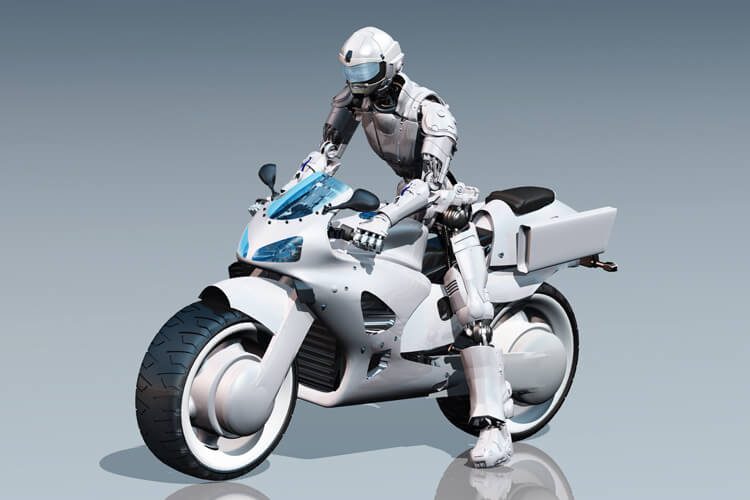
Fully autonomous, mobile robots with human-like features and expressions are deployed in many cities now.* These androids are highly intelligent, able to operate in almost any environment and dealing with various duties. As well as their powerful sensory and communication abilities, they have access to bank accounts, tax, travel, shopping and criminal records, allowing them to instantly identify people on the street.
The presence of these machines is freeing-up a tremendous amount of time for human officers. They are also being used in crowd control and riot situations. Equipped with inhuman strength and speed, a single android can be highly intimidating and easily take on many people if needed. Special controls are embedded in their programming to prevent the use of excessive force.
2085
Light field is the latest in display technology
Following the mainstream adoption of multiview (HPO) in the 2040s and volumetric 4K in the 2060s, the next major iteration of display technology is known as light field. This requires another order of magnitude increase in the transmission bit rate.*
Whereas earlier displays had only horizontal parallax and a limited viewing angle, this latest generation can reproduce both horizontal and vertical parallax while also providing more view zones. In other words, a fully 3D effect can be seen by many observers at varying positions and whether standing or sitting.
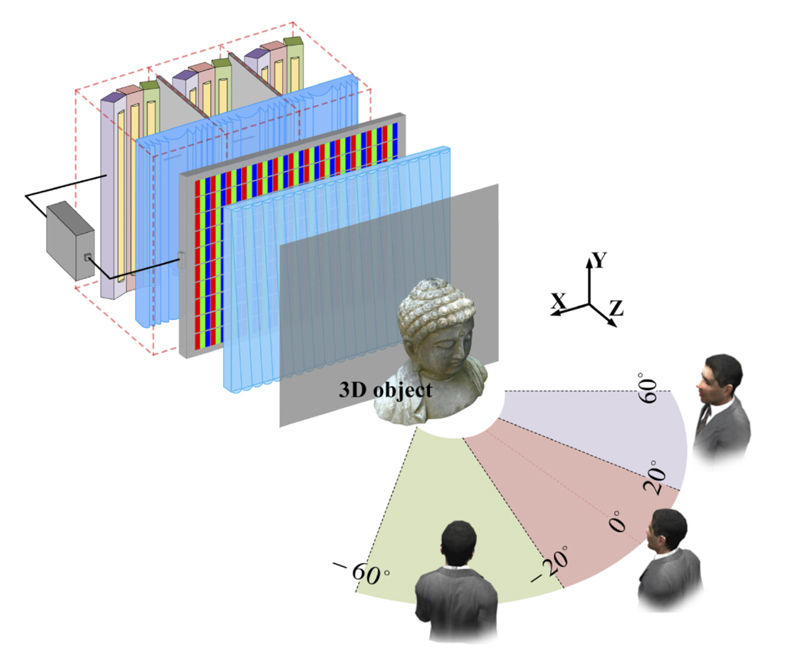
Credit: Adapted from Boyang L, et al. (2019), Time-multiplexed light field display with 120-degree wide viewing angle, Optics Express.
As well as home entertainment systems, light field is used in galleries, museums, and other such venues. For instance, it can generate near-perfect replicas of artworks or relics that might be too rare, fragile, or otherwise inaccessible for the public. Since they are virtual, they can be showcased in many locations around the world simultaneously. Light field can also enhance the shared viewing of content relevant to medical or research settings – biological or chemical structures, for example. The most advanced versions have enough spatial information to project full 360° viewing angles.
This technology is finally perfected in the early 22nd century with the arrival of true holographic displays; yet another order of magnitude increase in the bit rate. Not only do these correct the last remaining flaws in terms of visual realism, they also enable content to be projected outside the limited volume of the display and into the real world.*
2087
Leukaemia is effectively eradicated in developed countries
By the late 2080s, leukaemia has all but vanished as a cause of death in the developed world. The age-standardised mortality rate (ASR), which stood at 5 per 100,000 in the 1960s and close to 3 in the early 2020s, fell below 1 in 2048 and has now fallen to under 0.01 per 100,000.* Death from leukaemia is now so rare that it is regarded as a clinical anomaly, confined to only a tiny number of highly unusual or treatment-resistant cases.
Leukaemia, once one of the most feared blood cancers, arises in the bone marrow and blood-forming tissues, causing the uncontrolled production of abnormal white blood cells. These cells interfere with the body's ability to fight infection and crowd out healthy blood cells, leading to a range of problems including anaemia, bleeding disorders, immune failure, and organ damage. In the early 21st century, leukaemia remained a major global health burden. Although survival had improved compared with earlier decades, many subtypes still carried a grave prognosis. Older patients faced poorer outcomes, both because of the biology of the disease and because conventional therapies could be too harsh for frailer bodies to endure.
These challenges made leukaemia significantly more complex than many solid tumours. As a cancer of the blood and bone marrow, it could progress rapidly, evolve resistance, and leave behind minimal residual disease even after apparently successful treatment. Some cases returned months or years later from tiny surviving cell populations invisible to older diagnostic tools. While stem cell transplants, chemotherapy, radiotherapy, and early targeted therapies saved many patients' lives, they also carried serious risks and could not reliably prevent relapse across all patient groups.
The long path to eradication advanced through a shift towards earlier detection, more precise therapies, and pre-emptive intervention during the 2020s–30s. Targeted drugs became more precise, while immunotherapies such as CAR-T cells, bispecific antibodies, and engineered natural killer cells moved into earlier lines of treatment. At the same time, single-cell sequencing technologies and molecular blood screening, including liquid biopsies, improved greatly, allowing doctors to detect leukaemic clones at much earlier stages. Personalised health monitoring also became more widespread, with regular blood tests analysed by AI systems to flag suspicious changes long before symptoms appeared. By mid-century, the focus of medicine had shifted decisively away from reacting to established disease toward preventing it.
Over the subsequent decades, these systems matured into a continuous, highly personalised form of surveillance and intervention. Today, in the 2080s, a typical patient in a developed country undergoes routine blood monitoring, with AI systems and vast genomic databases identifying pre-leukaemic mutations long before symptoms emerge. Inherited risk factors are often corrected preventively through safe gene-editing platforms, while acquired mutations in blood stem cells are detected and neutralised before they can give rise to malignant populations. For those rare patients who do develop overt disease, treatment is now swift and overwhelmingly effective. Personalised immune therapies eradicate abnormal clones with extraordinary precision, while advanced regenerative medicine restores healthy bone marrow function with minimal toxicity.
Nanomedicine and cellular engineering have also transformed care. Programmable nanodevices circulate through the bloodstream, identifying and eliminating residual malignant cells that older therapies would have missed.

Nanodevices targeting and destroying a leukaemia cell.
Cellular engineering platforms then reinforce the immune system, creating durable protection against relapse without the toxicity of earlier treatments. Resistance, long one of leukaemia's defining features, no longer gains a foothold, as adaptive treatment algorithms alter therapies in real time based on the slightest molecular changes.
By 2087, leukaemia no longer represents a meaningful public health burden in developed countries. The disease persists only in extraordinarily rare cases involving unusual mutations, severe genetic instability, or patients outside normal monitoring systems. Even then, most cases are rapidly identified and cured.
Leukaemia, once a devastating cancer of the blood and bone marrow, now stands as another of medicine's great victories in developed countries. Its fall below 0.01 deaths per 100,000 marks the point at which it has become, for all practical purposes, eradicated.*
« 2079 |
⇡ Back to top ⇡ |
2090 » |
If you enjoy our content, please consider sharing it:
References
1 Interstellar probe, Johns Hopkins University Applied Physics Laboratory:
http://interstellarprobe.jhuapl.edu/
Accessed 30th April 2021.
2 What Spacecraft Will Enter Interstellar Space Next?, Space.com:
https://www.space.com/43158-what-spacecraft-will-enter-interstellar-space-next.html
Accessed 30th April 2021.
3 NASA's New 'Voyager': 7 Things To Know About The 50-Year 'Interstellar Probe' Mission To Burst Our Cosmic Bubble, Forbes:
https://www.forbes.com/sites/jamiecartereurope/2021/04/27/
Accessed 30th April 2021.
4 Proposed Interstellar Mission Reaches for the Stars, One Generation at a Time, Scientific American:
https://www.scientificamerican.com/article/proposed-interstellar-mission
Accessed 30th April 2021.
5 TransAtlantic
MagLev, popsci.com:
http://www.popsci.com/scitech/article/2004-04/trans-atlantic-maglev.
Accessed 15th Jan 2009.
6 Climate change threatens Winter Olympics, University of Waterloo:
https://uwaterloo.ca/news/news/climate-change-threatens-winter-olympics
Accessed 6th February 2014.
7 See 2060-2100.
8 Polar bears are unlikely to survive the 21st century, Future Timeline Blog:
https://www.futuretimeline.net/blog/2015/04/3.htm
Accessed 25th August 2018.
9 Climate change link to lizard extinction, BBC:
http://news.bbc.co.uk/1/hi/science_and_environment/10113949.stm
Accessed 15th May 2010.
10 Extrapolated from the following dataset, and based on a Gompertz trend.
Age-standardized rate (World) per 100 000, mortality, both sexes, Australia + Austria + Canada + France (metropolitan) + Greece + Hungary + Ireland + Italy + Japan + The Netherlands + Singapore + Spain + Switzerland, United Kingdom, USA – Brain and central nervous system, Cancer Over Time:
https://gco.iarc.fr/overtime/en/dataviz/trends
Accessed 30th August 2025.
11 Brain cancer vaccine that 'turns cells into killers' being developed, Sky News:
https://news.sky.com/story/brain-cancer-vaccine-that-turns-cells-into-killers-being-developed-12779773
Accessed 30th August 2025.
12 Revolutionizing glioblastoma treatment: How CAR-T cell therapy could represent a cure for this deadly brain cancer, Labiotech:
https://www.labiotech.eu/in-depth/car-t-therapy-glioblastoma/
Accessed 30th August 2025.
13 Brain Tumour Awareness Month 2020: Prof Antonio Di Ieva, Specialised Therapeutics:
https://stabiopharma.com/brain-tumour-awareness-month-2020-prof-antonio-di-ieva/
Accessed 30th August 2025.
14 World-first blood test for brain cancer may increase survival rates, say experts, The Guardian:
https://www.theguardian.com/society/2024/jan/26/world-first-blood-test-for-brain-cancer-may-increase-survival-rates-say-experts
Accessed 30th August 2025.
15 Researchers develop affordable, rapid blood test for brain cancer, University of Notre Dame:
https://news.nd.edu/news/researchers-develop-affordable-rapid-blood-test-for-brain-cancer/
Accessed 30th August 2025.
16 Our Brains Are Now 99.5% Human—And 0.5% Plastic, The Ethicalist:
https://theethicalist.com/our-brains-are-now-99-5-human-and-0-5-plastic/
Accessed 30th August 2025.
17 Binary Star V Sagittae to Explode as very Bright ‘Nova’ by Century’s End, LSU:
https://www.lsu.edu/physics/news/v_sge-press_release.php
Accessed 10th March 2020.
18 Data sources for graph:
The values for 2030–2050 represent a central scenario informed by several published outlooks rather than a direct reproduction of any single forecast. OECD–FAO provides the baseline for conventional meat demand; Systemiq / Good Food Institute Europe and Euromonitor inform the expected growth of cultivated meat; and McKinsey & Company provides evidence for the expansion of fermentation-derived proteins. Plant-based shares are modelled as part of the overall balance rather than taken from a single published forecast. As these sources use different definitions, scopes and assumptions, their findings have been combined as broad anchors for the trajectory shown here. Post-2050 values are Future Timeline extrapolations, with the central trend placing the crossover between cultivated and conventional meat in 2084.
OECD-FAO Agricultural Outlook 2025-2034 – Chapter 5 (Meat), OECD / FAO:
https://www.oecd.org/en/publications/oecd-fao-agricultural-outlook-2025-2034_601276cd-en/full-report/meat_5462e384.html
The EU Cultivated Meat Opportunity, Systemiq / Good Food Institute Europe:
https://www.systemiq.earth/wp-content/uploads/2024/10/EU-Cultivated-Meat-Opportunity.pdf
For archived version, see:
https://www.futuretimeline.net/21stcentury/pdfs/EU-Cultivated-Meat-Opportunity.pdf
Will People Eat Cell-Cultured Meat?, Euromonitor International:
https://www.euromonitor.com/will-people-eat-cell-cultured-meat/report
Ingredients for the future: Bringing the biotech revolution to food, McKinsey & Company:
https://www.mckinsey.com/industries/agriculture/our-insights/ingredients-for-the-future-bringing-the-biotech-revolution-to-food
Accessed 13th August 2026.
19 Green500, Top500:
https://top500.org/lists/green500/
Accessed 15th September 2024.
20 Robots on the beat by 2084, ZDNet:
http://www.zdnet.com/robots-on-the-beat-by-2084-3040151867/
Accessed 12th November 2012.
21 Holography, and the future of 3D display, Light: Advanced Manufacturing:
https://www.light-am.com/article/doi/10.37188/lam.2021.028
Accessed 14th April 2022.
22 Telecommunications bit rates 1798-2120, Future Timeline > Data & Trends:
https://www.futuretimeline.net/data-trends/21-telecommunications-future-timeline.htm
Accessed 14th April 2022.
23 See 2048.
24 Extrapolated from the following dataset, and based on a Gompertz trend.
Age-standardized rate (World) per 100 000, mortality, both sexes, Australia + Austria + Canada + France (metropolitan) + Greece + Hungary + Ireland + Italy + Japan + The Netherlands + Singapore + Spain + Switzerland, United Kingdom, USA – Leukaemia, Cancer Over Time:
https://gco.iarc.fr/overtime/en/dataviz/trends
Accessed 20th May 2026.
 |
|||||||||||||||||||||||||||||||
|
Latest predictions |
Timeline » 21st century |
Blogs » AI & Robotics |
Features » |
About us
|
|||||||||||||||||||||||||||
|
|
|||||||||||||||||||||||||||||||


