
 |
|||
|
|||
 |
 |
|||
Biology & Medicine
C - Cancer D - Deafness M - Macular degeneration | Magnetic resonance imaging (MRI) | Malaria N - Nanobots S - Surgical sutures
|
|||
 |
|||
|
||
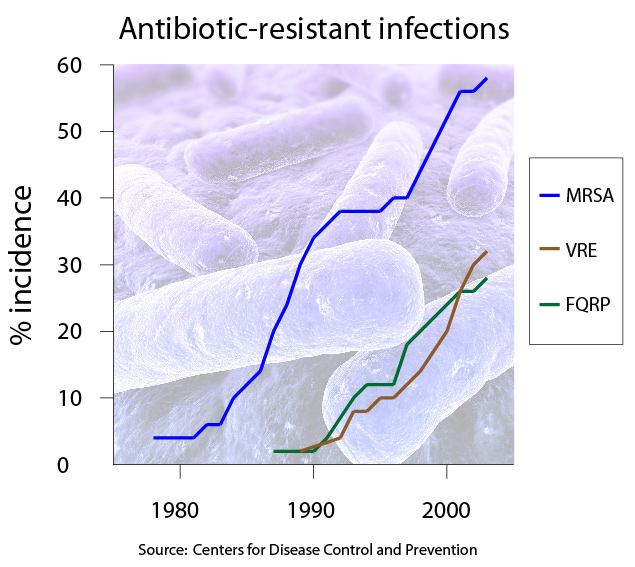
Bacteriophage therapy After their mainstream introduction in 1945, antibiotics proved to be one of the cornerstones of modern medicine. With them came massive improvements in surgery and the treatment of infections. What were once life-threatening conditions became routinely curable, while entirely new medical procedures were made possible. The average global life expectancy rose from 45 years in 1945 to 67 years by 2000. Though hoped to be a final end to infection and bacteria, antibiotics were never destined to last. Through the gradual process of evolution, bacteria over the years developed resistance to treatments, necessitating the continual creation of new formulas. While always pushing the danger back temporarily, each successive generation of antibiotics created a more resistant and hardy population of bacteria. The misuse of antibiotics, not being prescribed properly or used too frequently and for too long, made the problem even worse. From the late 20th century onwards, this trend accelerated dramatically. MRSA, for example, saw 50% incidence of resistance by the year 2000. Genes began appearing in the DNA of various bacteria that were completely immune to even the most modern antibiotics.*
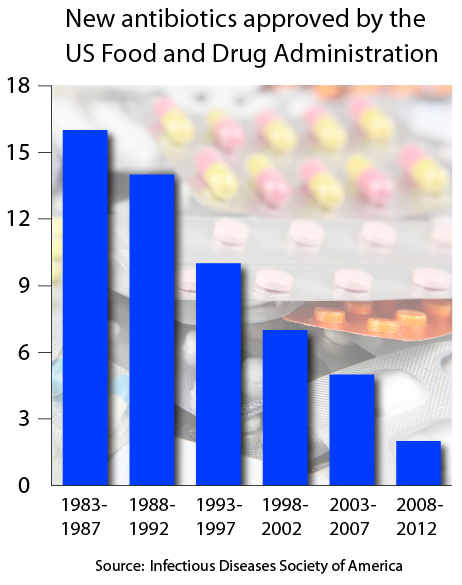
These trends have continued to the present day. As the supply of effective antibiotics becomes exhausted, a global public health disaster appears to be looming. Alongside this, poor financial investment in antibiotics research has only exacerbated the situation. Major pharmaceutical companies are losing interest in the antibiotics market, because these drugs are not as profitable as those for treating chronic (long-term) conditions and lifestyle issues. The pipeline of new antibiotics is drying up.
Though the situation is nearing crisis level,* new breakthroughs are being made in the field of biology. The most promising is the development of bacteriophage therapy. Viruses that infect and kill bacteria - while not posing any danger to animals or humans - could become an effective alternative to antibiotics.** Due to their extreme abundance (10 million are in a millilitre of seawater), genetic engineering is not required either. Treatments can be made with a cocktail of the appropriate phages, taken in pill or liquid form. The phages carry genetic material, enclosed in an outer protein capsid. Upon locating and landing on a bacterium, this DNA is injected like a mosquito bite, where it then starts to reproduce itself. Soon, the bacterium is teeming with new phages that burst forth, destroying the bacterium from within.
At present, most research into phage therapy is focussed on the treatment of animals for agriculture, but success in that area could encourage new policies and regulations allowing its widespread use in human health. This method, it is hoped, may succeed in replacing antibiotics in many instances, enabling a wide variety of medical procedures to continue as before. Slightly further into the future, the emergence of medical nanobots - microscopic machines programmed to travel inside the body - may replace phage therapy itself. A true end to bacterial infection would then be in sight.
Bio-printers
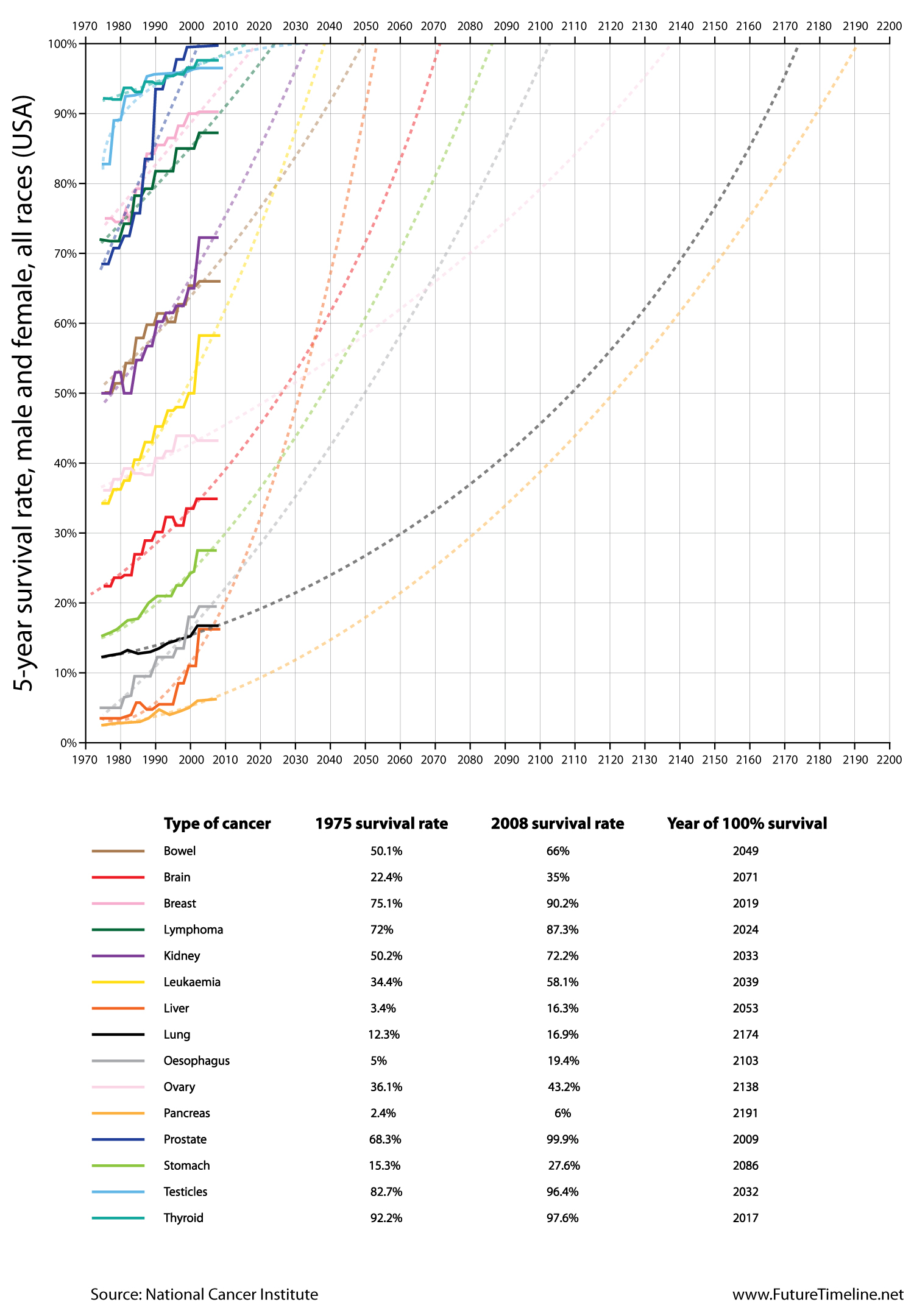
Cancer There are more than 200 types of cancer. In 2007, they caused about 13% of all human deaths worldwide (7.9 million). Below is a graph showing 15 of the most common cancers in the USA, their five year survival rates, and current trends extrapolated into the future. This ignores possible major events or breakthroughs that could radically alter these trends, such as a technological singularity, or global disaster. It is simply intended to provide a current overview of progress and a visual representation that combines all of the major cancer types in one single, long-term graph. As can be seen, there is considerable variation in survival rates. However, the next few decades are likely to see cures emerging for a number of cancers, with potentially every cancer eradicated by 2200 AD. With information technology becoming an ever larger part of medicine, researchers are gaining the ability to literally rewrite the software of biology. More targeted therapies, DNA sequencing, nano-medicine, robotic surgery and various other techniques may lead to a Moore's Law-style effect with exponential improvements in survival rates. Some of these individual cancer types are covered in more detail on our timeline. This graph is based on the latest data from the National Cancer Institute, with 2008 being the most recent year available for five-year survival rates. Click on the graph to view a larger version.
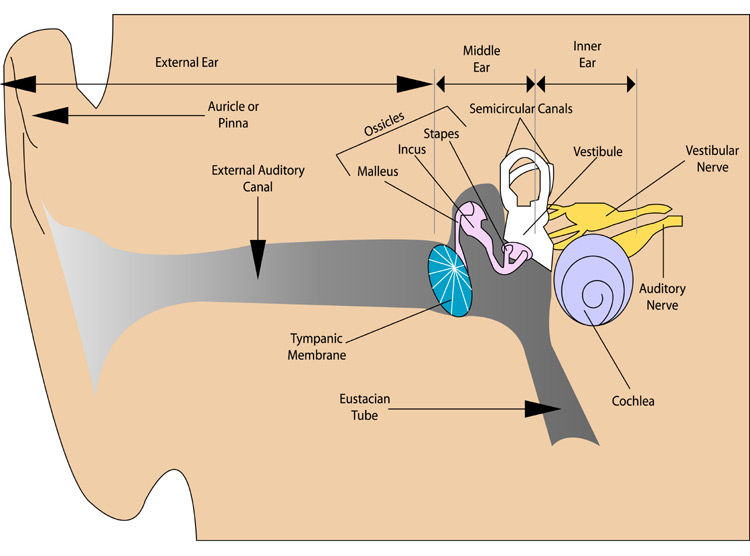
Deafness Using the patient's own skin as a source of stem cells would mean that the replacements are a perfect genetic match for their body, avoiding issues of immune rejection. This form of therapy could also enable a variety of other ailments to be treated, such as balance disorders and tinnitus.
Limb
regeneration If surgical treatments are developed, these would be applied transiently during the healing process and only locally at the wound site, minimising any side effects. Further into the future, spinal cords and even damaged brains may be capable of being regenerated.*
Macular
degeneration
Magnetic
resonance imaging (MRI) Present-day MRI scanners are so bulky that they fill entire rooms.* Scans typically require 30 minutes to create. They are also highly expensive: upwards of a million dollars for a state-of-the-art model, with each individual scan costing hundreds of dollars. By the 2050s, experts believe that portable, handheld MRI scanners will be available.* This new generation of machines will have supersensitive atomic magnetometers - able to detect the tiniest magnetic fields - replacing the huge doughnut-shaped magnets that are currently used. Hi-res, 3D imaging of internal structures and brain activity would be possible in real-time video, using devices no bigger than a camera. This will be accompanied by a hundredfold decrease in cost.* Healthcare programs in developing countries will benefit particularly from this.
Malaria A widely-available vaccine that offers long-term, high levels of protection has yet to be developed. However, recent advances in gene research may offer new hope from a different angle. In 2010, scientists in the USA successfully engineered the first malaria-resistant mosquito. By introducing a gene that modified the insect's gut, the malaria parasites were prevented from developing. This gene also reduced the insects' lifespan.* A further advance was made in 2011, when a gene modified against malaria was successfully spread throughout a whole population of mosquitoes. This was achieved in just a small number of generations. Inserting the gene produced an enzyme which split the mosquito DNA in two. The cell's repair machinery then used this gene as a "template" when repairing the cut. As a result, the gene was preserved and copied, with all sperm produced by a male mosquito subsequently carrying copies of it. In other words, all its offspring would have the gene.* In the future, it is conceivable that widespread deployment of such a technology could result in the disease being largely eradicated from the world. Exactly how long this would take is unclear. There would also be concerns arising from the use of genetically modified organisms. In the coming years, however, once the risks have been assessed and the moral zeitgeist has moved forward, it seems highly likely that malaria will be consigned to the history books. As well as genetic modification and research into a vaccine, "mosquito lasers" are being developed. These could be utilised in hospitals and other health-sensitive buildings, zapping the insects before they even land on people.*
Nanobots In the coming years, the most important breakthroughs will be in the treatment of cancer. Using nanobots, it will be possible to detect tumours earlier than ever before and to target them with far more precision. In the 2030s, 90% of cancers may be cured as a result of this. Even patients who would previously have been classed as terminally ill could routinely be saved. Monitoring of heart conditions, neurological disorders and many other illnesses would also improve dramatically. Combined with enormous strides in stem cell research, this would create a new generation of medical treatments reaching a whole new level of sophistication and efficiency. The nanobots themselves will be built on a molecule-by-molecule basis, via positionally-controlled diamond mechanosynthesis and diamondoid nanofactories. Each robot will propel itself using tiny motors and will come equipped with microscopic sensing, guidance and communication devices.
Organ
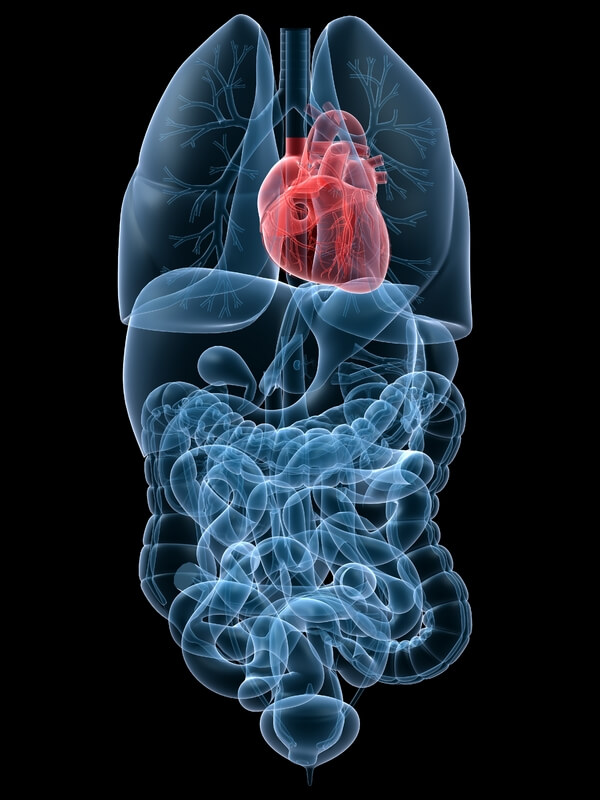
transplants The need for external donors will be eliminated, and since the organ will be genetically matched to the patient, there will be no chance of rejection. Natural, living tissue is also far more flexible, sophisticated and efficient than artificially built components - so this new treatment will offer radical hope to millions of people affected by cardiovascular disease. Around 15m people currently die each year from heart-related conditions. The economic benefits could be huge. A significant percentage of healthcare costs are attributable to organ failure, the recurring treatments for chronic diseases and their subsequent complications. This new regenerative medicine will effectively provide a cure, rather than ongoing treatment. Direct healthcare costs of organ replacement and associated care are currently over $350 billion globally (about 8 percent of global healthcare spending). Other organs may be developed in the 2020s: lungs, livers, kidneys, spleens, stomachs and sexual organs could all be made available by the end of the decade. Internal organ failure will gradually become a thing of the past. Combined with new vitrification techniques* (allowing organ banking without damage from ice crystal formation), this will be a major step towards longevity extension.
Surgical
sutures
Tooth
regeneration Until now, dental implant therapies have required pre-existing high quality bone structures for supporting the artificial implants. Full reconstruction of natural, healthy teeth in patients without adequate bone support will therefore be possible. Fillings and dentures will become obsolete as a result, improving the health and well-being of many millions of people.*
|
||
|
||




 Share
Share |
||
|
References 1 Are you ready for a world without antibiotics?, The Guardian: 2 Resistance to antibiotics could bring "the end of modern medicine as we know it", WHO claim, The Telegraph: 3 Bacteriophages Eyed as Antibiotic Alternatives, Food Safety News: 4 The drugs don't work - so what will?, BBC: 5 Bioprinting, ExplainingTheFuture.com: 6 Aiming
to Cure Deafness, Scientists First to Create Functional Inner-Ear Cells, Science Daily: 7 Humans
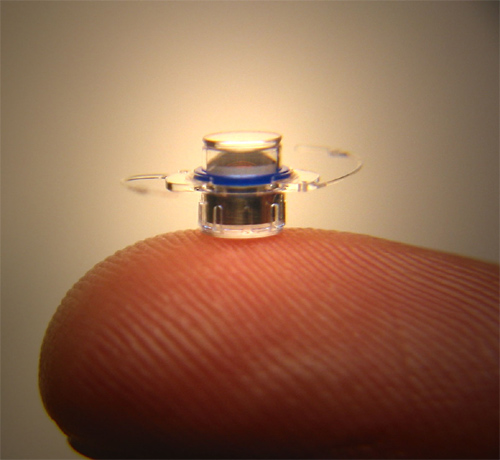
could regrow body parts like some amphibians, The Daily Telegraph: 8 FDA Advisory Panel Recommends Approval of VisionCare's Implantable
Telescope for End-Stage Macular Degeneration, VisionCare: 9 A typical MRI machine of the early 2000s: http://en.wikipedia.org/wiki/File:Varian4T.jpg 10 "It's going to be an incredible tool. Fifty years down the road,
there could be small handheld MRI devices - like the tricorder in the
Star Trek television series - that enable us to see signals from molecules,
and there will be patterns for different diseases." 11 Physics
of the Impossible, by Michio Kaku: 12 Malaria-proof
mosquito engineered, BBC: 13 GM mosquitoes offer malaria hope, BBC: 14 Nathan Myhrvold: Could this laser zap malaria?, TED Talks: 15 The Singularity is Near, by Ray Kurzweil: 16 British team grows human heart valve from stem cells, Guardian.co.uk: 17 21st
Century Medicine - Organ preservation for transplantation, 21st Century
Medicine: 18 Sci-fi laser stiches wounds, Reuters.com: 19 Bioengineered
Tooth Regeneration in Mice, Next Big Future:
|
||
|
||
|
|||
|
|||
|

 |
Follow us »
|
 |


|
|
Latest prediction »
Latest blog »
|
|
|
|
|
Visit our forum »
|
|
|
|
|
|
|
|
|