future timeline technology singularity humanity predictions events 2020 2050 2100
 
Follow us »

future timeline facebook group   future timeline facebook group

future timeline twitter   future timeline youtube channel

 
  » Home | Latest updates | Blog | Forum | Resources | Contact us


Blog » Biology & Medicine


17th June 2013

Memory-boosting chemical identified in mice

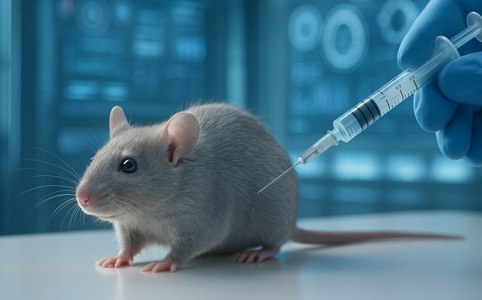
A small, drug-like molecule injected into mice has been found to significantly boost their memory.


neurons


The same biochemical pathway the molecule acts on might one day be targeted in humans to improve their memory, according to Peter Walter, professor of biochemistry and biophysics at University of California, San Francisco (UCSF).

In one test, normal mice were able to relocate a submerged platform about three times faster after receiving injections of the potent chemical than mice who received sham injections. The mice that received the chemical also better remembered cues associated with unpleasant stimuli – the sort of fear conditioning that could help a mouse avoid being preyed upon.

Notably, the findings suggest that, despite what would seem to be the importance of having the best biochemical mechanisms to maximise the power of memory, evolution does not seem to have provided them.

“It appears that the process of evolution has not optimised memory consolidation; otherwise I don’t think we could have improved upon it the way we did in our study with normal, healthy mice,” Walter said.

The memory-boosting chemical was singled out from 100,000 chemicals screened at the Small Molecule Discovery Center at UCSF for their potential to perturb a protective biochemical pathway within cells, that is activated when cells are unable to keep up with the need to fold proteins into their working forms.


molecule


The chemical identified by the UCSF researchers is called ISRIB, which stands for integrated stress response inhibitor. ISRIB counters the effects of eIF2 alpha inactivation inside cells, the researchers found.

Walter said he is looking for scientists to collaborate with in new studies of cognition and memory in mouse models of neurodegenerative diseases and aging, using ISRIB or related molecules. In addition, chemicals such as ISRIB could play a role in fighting cancers.

The full study is published in eLife.


  speech bubble Comments »


16th June 2013

Automated 'coach' could help with social interactions

A new software system from MIT could help people improve their conversational and interview skills.


Social phobias affect about 15 million adults in the United States, according to the National Institute of Mental Health, and surveys show that public speaking is high on the list of such phobias. For some people, these fears of social situations can be especially acute: individuals with Asperger’s syndrome, for example, often have difficulty making eye contact and reacting appropriately to social cues. But with appropriate training, such difficulties can often be overcome.

Now, new software developed at MIT can be used to help people practice their interpersonal skills until they feel more comfortable with situations such as a job interview or a first date. The software, called MACH (short for My Automated Conversation coacH), uses a computer-generated onscreen face, along with facial, speech, and behaviour analysis and synthesis software, to simulate face-to-face conversations. It then provides users with feedback on their interactions.

The research was led by doctoral student M. Ehsan Hoque. A paper documenting the software’s development and testing has been accepted for presentation at the 2013 International Joint Conference on Pervasive and Ubiquitous Computing, known as UbiComp, to be held in September.

“Interpersonal skills are the key to being successful at work and at home,” Hoque says. “How we appear and how we convey our feelings to others define us. But there isn’t much help out there to improve on that segment of interaction.”

Many people with social phobias, Hoque says, want “the possibility of having some kind of automated system so that they can practice social interactions in their own environment. … They desire to control the pace of the interaction, practice as many times as they wish, and own their data.”


mach on screen


The MACH software offers all those features, Hoque says. In fact, in randomised tests with 90 MIT juniors who volunteered for the research, the software showed its value.

First, the test subjects – all of whom were native English speakers – were randomly divided into three groups. Each group participated in two simulated job interviews, a week apart, with MIT career counselors.

But between the two interviews, unbeknownst to the counselors, the students received help: One group watched videos of interview advice, while a second group had a practice session with the MACH simulated interviewer, but received no feedback other than a video of their own performance. Finally, a third group used MACH and then saw videos of themselves accompanied by analysis of such measures as how often they smiled, how well they maintained eye contact, how well they modulated their voices, and how often they used filler words such as “like,” “basically” and “umm.”

Evaluations by another group of career counselors showed statistically significant improvement by members of the third group on measures including “appears excited about the job,” “overall performance,” and “would you recommend hiring this person?” In all of these categories, by comparison, there was no significant change for the other two groups.

The software behind these improvements was developed over two years as part of Hoque’s doctoral thesis with help from his advisor, professor of media arts and sciences Rosalind Picard, as well as Matthieu Courgeon and Jean-Claude Martin from LIMSI-CNRS in France, Bilge Mutlu from the University of Wisconsin, and MIT undergraduate Sumit Gogia.

Designed to run on an ordinary laptop, the system uses the computer’s webcam to monitor a user’s facial expressions and movements, and its microphone to capture the subject’s speech. The MACH system then analyses the user’s smiles, head gestures, speech volume and speed, and use of filler words, among other things. The automated interviewer — a life-size, three-dimensional simulated face — can smile and nod in response to the subject’s speech and motions, ask questions and give responses. While this initial implementation was focused on helping job candidates, Hoque says training with the software could be helpful in many kinds of social interactions.

MACH: My Automated Conversation coacH [PDF]


  speech bubble Comments »


13th June 2013

U.S. genetics industry has trillion dollar economic impact

A new report shows that the Human Genome Project – founded in 1990 – created a $966 billion science boom, returning over 60 times the initial investment.


genes


The new Battelle study released by United for Medical Research illustrates how the genetics and genomics industry's impact on the U.S. economy has reached nearly a trillion dollars. This report is based on new data collected over the previous two years, and represents an update to the highly-cited Battelle 2011 report tracking the growth of the industry and its links to the federally funded Human Genome Project (HGP).

The updated report, "The Impact of Genomics on the U.S. Economy" demonstrates that the HGP and related research continue to yield significant U.S. economic growth, with $966 billion in impact, more than 53,000 genomics-related jobs and $293 billion in personal income, leveraged from a total research and development investment of $14.5 billion from 1988 through 2012.

The original report showed the U.S. federal government's $3.8 billion funding of the HGP between 1988 and 2003 drove $796 billion in U.S. economic impact, due to the growth of genomics technology and its use in healthcare, energy, agriculture and other sectors.

Carrie Wolinetz, president of United for Medical Research: "As the largest single undertaking in the history of life sciences, the Human Genome Project has paid back extraordinary dividends on the U.S. government’s investment. This report illustrates the vital role that key federal research funding plays in growing the U.S. economy, creating new industries and innovative technologies and producing the diagnostics and treatments that can save lives."

Martin Grueber, research leader and co-author: "Between 1988 and 2012, the federal government's $14.5 billion investment in the field of genomics represents an expenditure of only $2 per year per U.S. resident, with an enormous economic and societal impact from that investment."

Despite the economic downturn over the last five years, the genomics industry continued to thrive – a trend that is likely to be sustained in the near future. In 2012 alone, human genome sequencing and related research and industry activities directly and indirectly generated:

  • $65 billion in U.S. economic output
  • $31 billion toward 2012 U.S. Gross Domestic Product
  • $19 billion in personal income
  • 152,000 jobs (direct and indirect)

In addition to jobs and the economy, the Human Genome Project has had a profound impact on health. Genetics and human genome mapping have pioneered new diagnostics for a wide range of diseases impacting society including cancer, heart disease and Alzheimer’s.

"The research that has followed this work has the potential to better identify who is at greatest risk of a cancer like mine, and how to best treat it," said Ian Lock, an osteosarcoma survivor and volunteer with the American Cancer Society Cancer Action Network.

In a related story, the U.S. Supreme Court today ruled that genes cannot be patented – with significant implications for future medical research.


  speech bubble Comments »


9th June 2013

Major breakthrough in multiple sclerosis treatment

A phase 1 clinical trial for the first treatment to "reset" the immune system of multiple sclerosis (MS) patients has shown that the therapy is safe. It dramatically reduced patients' immune systems' reactivity to myelin by 50 to 75 percent, according to new research.


ms


In MS, the immune system attacks and destroys myelin, the insulating layer that forms around nerves in the spinal cord, brain and optic nerve. When the insulation is destroyed, electrical signals can’t be effectively conducted, resulting in symptoms that range from mild limb numbness to paralysis or blindness.

“The therapy stops autoimmune responses that are already activated and prevents activation of new autoimmune cells,” said Stephen Miller, Professor of Microbiology-Immunology at Northwestern University. “Our approach leaves the function of the normal immune system intact. That’s the holy grail.”

Miller is co-author of a paper on the study, published this week in Science Translational Medicine. The study is a collaboration between Northwestern’s Feinberg School, University Hospital Zurich in Switzerland and University Medical Centre Hamburg-Eppendorf in Germany.

The human trial is the result of more than 30 years of preclinical research in Miller's lab. In the trial, the MS patients’ own specially processed white blood cells were used to stealthily deliver billions of myelin antigens into their bodies so their immune systems would recognise them as harmless and develop tolerance to them. Current therapies for MS suppress the entire immune system – making patients more susceptible to everyday infections and higher rates of cancer.

Although the trial’s nine patients were too few to statistically determine the treatment’s ability to prevent the progression of MS, the study did show patients who received the highest dose of white blood cells had the greatest reduction in myelin reactivity. The primary aim of this study was to demonstrate the treatment’s safety and tolerability. It confirmed that injection of 3 billion white blood cells with myelin antigens caused no adverse affects. Most importantly, it did not reactivate the patients’ disease and did not affect their healthy immunity to everyday infections.


ms


As part of the study, researchers tested the patients’ immunity to tetanus, because all had received tetanus shots during their lifetime. One month after the treatment, their immune responses to tetanus remained strong, showing that the treatment’s immune effect was specific only to myelin.

This safety study sets the stage for a phase 2 trial, to see if the new treatment can prevent the progression of MS. Scientists are currently trying to raise $1.5 million to launch the trial, which has already been approved in Switzerland. Using a biodegradable nanoparticle filled with myelin antigen, Miller’s pre-clinical research has already shown the treatment can stop progression of MS in mice, as reported last November.

Using a patient’s white blood cells is a costly and labour-intensive procedure. Miller’s study showed the nanoparticles, which are potentially cheaper and more accessible to a general population, could be as effective as the white blood cells as delivery vehicles. Furthermore, this therapy – with further testing – may be useful in treating not only MS, but also a host of other autoimmune and allergic diseases, simply by switching the antigens.


  speech bubble Comments »


7th June 2013

Bioengineered vein implant is a milestone in tissue engineering

A kidney dialysis patient has become the first in the U.S. to receive a lab-grown blood vessel. It is hoped this could be a possible stepping stone toward more complex organs such as livers or eyes.


bioengineered vein


In a first-of-its-kind operation in the United States, a team of doctors at Duke University Hospital have created a bioengineered blood vessel which was transplanted into the arm of a patient with end-stage kidney disease.

The procedure – the first U.S. clinical trial to test its safety and effectiveness – is a milestone in the field of tissue engineering. The new vein is an off-the-shelf, human cell-based product with no biological properties that would cause organ rejection.

Using technology developed in a 15-year collaboration between Duke and a spin-off company it started called Humacyte, the vein is engineered by cultivating donated human cells on a tubular "scaffold" to form a vessel. This vessel is then cleansed of the qualities that might trigger an immune response. In pre-clinical tests, the veins have performed better than other synthetic and animal-based implants.

"This is a pioneering event in medicine," said Jeffrey H. Lawson, M.D., PhD, a vascular surgeon and vascular biologist at Duke Medicine who helped develop the technology and performed the implantation. "It's exciting to see something you've worked on for so long become a reality."

Clinical trials to test the new veins began in Poland in December with the first human implantations. The U.S. Food and Drug Administration recently approved a phase 1 trial involving 20 kidney dialysis patients in the United States, followed by a safety review. Duke researchers enrolled the first U.S. patient and serve as study leaders.

The initial trial focuses on implanting the vessels in an easily accessible site in the arms of kidney hemodialysis patients. Over 320,000 people in the U.S. require hemodialysis, which often necessitates a graft to connect an artery to a vein to speed blood flow during treatments. If the bioengineered veins prove beneficial for hemodialysis patients, the researchers ultimately aim to develop a readily available and durable graft for heart bypass surgeries, which are performed on nearly 400,000 people in the U.S. a year, and to treat blocked blood vessels in the limbs.

“We hope this sets the groundwork for how these things can be grown, how they can incorporate into the host, and how they can avoid being rejected immunologically,” said Lawson. “A blood vessel is really an organ – it’s complex tissue. We start with this, and one day we may be able to engineer a liver or a kidney or an eye.”

More complex bioengineered organs have already been tested on rodents. In April, for example, scientists at the Massachusetts General Hospital in Boston grew a kidney that was transplanted back into a rat, where it began producing urine. Experts believe this could start to become possible in humans by 2020.


surgery


  speech bubble Comments »


5th June 2013

Peering into a cell in real time

A dream of scientists has been to visualise details of structures within our cells in real time, a breakthrough that would greatly aid in the study of their function. However, even the best of current microscopes can take minutes to recreate images of the internal machinery of cells at a usable resolution.

Thanks to a technical tour de force, involving new algorithms, Yale University researchers can now generate accurate images of sub-cellular structures in milliseconds, rather than minutes. This could be of great help in the study of cancer and other diseases. Below is an image of microtubules, which act as cellular scaffolding, captured in just 33 milliseconds using video-rate nanoscopy.

“We can now see research come to life and tackle complex questions or conditions which require hundreds of images, something we have not been able to do before,” said Joerg Bewersdorf, assistant professor of cell biology and biomedical engineering and senior author of the research, published in the journal Nature Methods.


cell structure


  speech bubble Comments »


30th May 2013

Children of long-lived parents less likely to get cancer

The offspring of parents who live to a ripe old age are more likely to live longer themselves, and less prone to cancer and other common diseases associated with aging, a study has revealed.


old young hands


Experts at the University of Exeter Medical School, supported by the National Institute for Health Research Collaboration for Leadership in Applied Health Research and Care in the South West Peninsula (NIHR PenCLAHRC), led an international collaboration which discovered that people who had a long-lived mother or father were 24% less likely to develop cancer. The scientists compared the children of long-lived parents to children whose parents survived to average ages for their generation.

The scientists classified long-lived mothers as those who survived past 91 years old, and compared them to those who reached average age spans of 77 to 91. Long-lived fathers lived past 87 years old, compared with the average of 65 to 87 years. The scientists studied 938 new cases of cancer that developed during the 18 year follow-up period.

The team also involved experts from the National Institute for Health and Medical Research in France, the University of Michigan and the University of Iowa. They found that overall mortality rates dropped by up to 19 per cent for each decade that at least one of the parents lived past the age of 65. For those whose mothers lived beyond 85, mortality rates were 40 per cent lower. The figure was a little lower (14 per cent) for fathers, possibly because of adverse lifestyle factors such as smoking, which may have been more common in the fathers.

In the study, published in the Journals of Gerontology: Series A, the scientists analysed data from a series of interviews conducted with 9,764 people taking part in the Health and Retirement Study. The participants were based in America, and were followed up over 18 years, from 1992 to 2010. They were interviewed every two years, with questions including the ages of their parents and when they died. In 2010 the participants were in their seventies.

Professor William Henley, from the University of Exeter Medical School, said: "Previous studies have shown that the children of centenarians tend to live longer with less heart disease, but this is the first robust evidence that the children of longer-lived parents are also less likely to get cancer. We also found that they are less prone to diabetes or suffering a stroke. These protective effects are passed on from parents who live beyond 65 – far younger than shown in previous studies, which have looked at those over the age of 80. Obviously children of older parents are not immune to contracting cancer or any other diseases of aging, but our evidence shows that rates are lower. We also found that this inherited resistance to age-related diseases gets stronger the older their parents lived."

Parents-in-law

Ambarish Dutta, who worked on the project at the University of Exeter Medical School and is now at the Asian Institute of Public Health at the Ravenshaw University in India, said: "Interestingly from a nature versus nurture perspective, we found no evidence that these health advantages are passed on from parents-in-law. Despite being likely to share the same environment and lifestyle in their married lives, spouses had no health benefit from their parents-in-law reaching a ripe old age. If the findings resulted from cultural or lifestyle factors, you might expect these effects to extend to husbands and wives in at least some cases, but there was no impact whatsoever."

In analysing the data, the team made adjustments for sex, race, smoking, wealth, education, body mass index, and childhood socioeconomic status. They also excluded results from those whose parents died prematurely (i.e. mothers who died younger than 61 or fathers younger than 46).

The study could not look at the various sub groups of cancer, as numbers did not allow accurate estimates. This study was carried out in preparation for a more detailed analysis of factors explaining why some people seem to age more slowly than others. Future work will use the UK Biobank, an ongoing 25-year project analysing a cohort of 500,000 participants.


  speech bubble Comments »


28th May 2013

Researchers find mechanism that causes noise-induced tinnitus and drug that can prevent it

An epilepsy drug shows promise in an animal model at preventing tinnitus from developing after exposure to loud noise, according to researchers at the University of Pittsburgh School of Medicine. The new findings, reported this week in Proceedings of the National Academy of Sciences, reveal for the first time the reason this chronic and sometimes debilitating condition occurs.


ear diagram


Up to 15 percent of Americans hear whistling, clicking, roaring and other phantom sounds of tinnitus, which is typically induced by exposure to very loud noise, said Thanos Tzounopoulos, Ph.D., associate professor and member of the auditory research group in the Department of Otolaryngology, Pittsburgh School of Medicine.

"There is no cure for it, and current therapies such as hearing aids don't provide relief for many patients. We hope that by identifying the underlying cause, we can develop effective interventions," he said.

The team focused on an area of the brain that is home to an important auditory centre called the dorsal cochlear nucleus (DCN). From previous research in a mouse model, they knew that tinnitus is associated with hyperactivity of DCN cells — they fire impulses even when there is no actual sound to perceive. For the new experiments, they took a close look at the biophysical properties of tiny channels, called KCNQ channels, through which potassium ions travel in and out of the cell.

"We found that mice with tinnitus have hyperactive DCN cells because of a reduction in KCNQ potassium channel activity," the professor said. "These KCNQ channels act as effective 'brakes' that reduce excitability or activity of neuronal cells."

In the model, sedated mice are exposed in one ear to a 116-decibel sound – about the loudness of an ambulance siren – for 45 minutes, which was shown in previous work to produce tinnitus in 50 percent of exposed mice. Dr. Tzounopoulos and his team tested whether an FDA-approved epilepsy drug called retigabine, which specifically enhances KCNQ channel activity, could prevent the development of tinnitus. Thirty minutes into the noise exposure and twice daily for the next five days, half of the exposed group was given injections of retigabine.

Seven days after noise exposure, the team determined whether the mice had developed tinnitus by conducting startle experiments, in which a continuous, 70 dB tone is played for a period, then stopped briefly and then resumed before being interrupted with a much louder pulse. Mice with normal hearing perceive the gap in sounds and are aware something had changed, so they are less startled by the loud pulse than mice with tinnitus, which hear phantom noise that masks the moment of silence in between the background tones.

The researchers found that mice that were treated with retigabine immediately after noise exposure did not develop tinnitus. Consistent with previous studies, 50 percent of noise-exposed mice that were not treated with the drug exhibited behavioural signs of the condition.

"This is an important finding that links the biophysical properties of a potassium channel with the perception of a phantom sound," Dr. Tzounopoulos said. "Tinnitus is a channelopathy, and these KCNQ channels represent a novel target for developing drugs that block the induction of tinnitus in humans."

The KCNQ family is comprised of five different subunits, four of which are sensitive to retigabine. He and his collaborators aim to develop a drug that is specific for the two KCNQ subunits involved in tinnitus to minimize the potential for side effects.

"Such a medication could be a very helpful preventive strategy for soldiers and other people who work in situations where exposure to very loud noise is likely," Dr. Tzounopoulos said. "It might also be useful for other conditions of phantom perceptions, such as pain in a limb that has been amputated."


  speech bubble Comments »


24th May 2013

Breakthrough on Huntington's disease

Researchers at Lund University have succeeded in preventing very early symptoms of Huntington's disease – depression and anxiety – by deactivating the mutated huntingtin protein in the brains of mice.


huntingtons disease


"We are the first to show that it is possible to prevent the depression symptoms of Huntington's disease by deactivating the diseased protein in nerve cell populations in the hypothalamus in the brain. This is hugely exciting and bears out our previous hypotheses," explains Åsa Petersén, Associate Professor of Neuroscience.

Huntington's is a debilitating illness for which there is still neither cure nor sufficient treatment. The involuntary movements that characterise the disease have long been the focus for researchers, but the emotional problems affect the patient earlier than the motor symptoms. These are now believed to stem from a different part of the brain – the small emotional centre called the hypothalamus.

"Now that we have been able to show in animal experiments that depression and anxiety occur very early in Huntington's disease, we want to identify more specifically which nerve cells in the hypothalamus are critical in the development of these symptoms. In the long run, this gives us better opportunities to develop more accurate treatments that can attack the mutated huntingtin where it does the most damage," says Petersén.

As the role of the hypothalamus in Huntington's disease is gradually mapped, knowledge might be gained from drug research for other psychiatric diseases. It is likely that similar mechanisms control different types of depression.


  speech bubble Comments »


23rd May 2013

Baby's life saved by 3-D printed device that restored his breathing

In a world first, 3-D printing of a bioresorbable splint has stopped a rare and life-threatening respiratory disorder known as tracheobronchomalacia.


babys life saved with 3d printed device
Credit: Image courtesy of University of Michigan Health System


Every day, their baby stopped breathing, his collapsed bronchus blocking the crucial flow of air to his lungs. April and Bryan Gionfriddo watched helplessly, just praying that somehow the dire predictions weren’t true.

“Quite a few doctors said he had a good chance of not leaving the hospital alive,” says April, about her now 20-month-old son, Kaiba. “At that point, we were desperate. Anything that would work, we would take it and run with it.”

They found hope at the University of Michigan where a new, bioresorbable device was under development. Kaiba’s doctors contacted Glenn Green, M.D., associate professor of pediatric otolaryngology. Green and his colleague, Scott Hollister, Ph.D., went right into action – obtaining emergency clearance from the Food and Drug Administration to create and implant a tracheal splint for Kaiba made from a biopolymer called polycaprolactone.

On 9th February 2012, the uniquely-designed splint was placed in Kaiba at C.S. Mott Children’s Hospital. The splint was sewn around Kaiba’s airway to expand the bronchus and give it a skeleton to aid proper growth. Over about three years, the splint will be reabsorbed into his body. The case is featured today in the New England Journal of Medicine.


doctors
Credit: Image courtesy of University of Michigan Health System


“It was amazing. As soon as the splint was put in, the lungs started going up and down for the first time and we knew he was going to be OK,” says Green.

Green and Hollister were able to make the custom-designed, custom-fabricated device using high-resolution imaging and computer-aided design. The device was created directly from a CT scan of Kaiba's trachea/bronchus, integrating an image-based computer model with laser-based 3D printing to produce the splint.

“Our vision at the University of Michigan Health System is to create the future of health care through discovery. This collaboration between faculty in our Medical School and College of Engineering is an incredible demonstration of how we achieve that vision, translating research into treatments for our patients,” says Ora Hirsch Pescovitz, M.D., U-M executive vice president for medical affairs and CEO of the U-M Health System.

“Groundbreaking discoveries that save lives of individuals across the nation and world are happening right here in Ann Arbor. I continue to be inspired and proud of the extraordinary people and the amazing work happening across the Health System.”

Kaiba was off ventilator support 21 days after the procedure, and has not had breathing trouble since then.

“The material we used is a nice choice for this. It takes about two to three years for the trachea to remodel and grow into a healthy state, and that’s about how long this material will take to dissolve into the body,” says Hollister.

“Kaiba’s case is definitely the highlight of my career so far. To actually build something that a surgeon can use to save a person’s life? It’s a tremendous feeling.”

The image-based design and 3D biomaterial printing process can be adapted to build and reconstruct a number of tissue structures. Green and Hollister have already utilised the process to build and test patient specific ear and nose structures in pre-clinical models. In addition, the method has been used by Hollister with collaborators to rebuild bone structures (spine, craniofacial and long bone) in pre-clinical models.


3d printed structure
Credit: Image courtesy of University of Michigan Health System


Severe tracheobronchomalacia is rare. About 1 in 2,200 babies are born with tracheomalacia and most children grow out of it by age 2 or 3, although it often is misdiagnosed as asthma that doesn’t respond to treatment.

Severe cases, like Kaiba’s, are about 10 percent of that number. And they are frightening, says Green. A normal cold can cause a baby to stop breathing. In Kaiba’s case, the family was out at a restaurant when he was six weeks old and he turned blue.

“Severe tracheobronchomalacia has been a condition that has bothered me for years,” says Green. “I’ve seen children die from it. To see this device work, it’s a major accomplishment and offers hope for these children.”

Before the device was placed, Kaiba continued to stop breathing on a regular basis and required resuscitation daily.

“Even with the best treatments available, he continued to have these episodes. He was imminently going to die. The physician treating him in Ohio knew there was no other option, other than our device in development here,” Green says.

Kaiba is doing well and he and his family, including an older brother and sister, live in Ohio.

“He has not had another episode of turning blue,” says April. “We are so thankful that something could be done for him. It means the world to us.”


baby kaiba
Credit: Image courtesy of University of Michigan Health System


  speech bubble Comments »


21st May 2013

Do salamanders hold the key to regeneration?

Salamanders' immune systems are key to their remarkable ability to regrow limbs, and could also underpin their ability to regenerate spinal cords, brain tissue and even parts of their hearts, scientists have found.


salamander


In research published today in Proceedings of the National Academy of Sciences, researchers from the Australian Regenerative Medicine Institute (ARMI) at Monash University found that when immune cells known as macrophages were systemically removed, salamanders lost their ability to regenerate a limb and instead formed scar tissue.

Lead researcher, Dr James Godwin, a Fellow in the laboratory of ARMI Director Professor Nadia Rosenthal, said the findings brought researchers a step closer to understanding what conditions were needed for regeneration.

"Previously, we thought that macrophages were negative for regeneration, and this research shows that that's not the case - if the macrophages are not present in the early phases of healing, regeneration does not occur," Dr Godwin said.

"Now, we need to find out exactly how these macrophages are contributing to regeneration. Down the road, this could lead to therapies that tweak the human immune system down a more regenerative pathway."

Salamanders deal with injury in a remarkable way. The end result is the complete functional restoration of any tissue, on any part of the body including organs. The regenerated tissue is scar free and almost perfectly replicates the injury site before damage occurred.

"We can look to salamanders as a template of what perfect regeneration looks like," Dr Godwin said.

Aside from "holy grail" applications, such as healing spinal cord and brain injuries, Dr Godwin believes that studying the healing processes of salamanders could lead to new treatments for a number of common conditions, such as heart and liver diseases, which are linked to fibrosis or scarring. Promotion of scar-free healing would also dramatically improve patients' recovery following surgery.

There are indications that there is the capacity for regeneration in a range of animal species, but it has, in most cases been turned off by evolution.

"Some of these regenerative pathways may still be open to us. We may be able to turn up the volume on some of these processes," Dr Godwin said.

"We need to know exactly what salamanders do and how they do it well, so we can reverse-engineer that into human therapies."


  speech bubble Comments »


19th May 2013

New treatments for hepatitis C

Several emerging treatments for this debilitating illness could dramatically improve cure rates, while greatly decreasing the side effects and period of time needed to recover.

It is estimated that between 130–200 million people – or nearly 3% of the world's population – are living with chronic hepatitis C. The disease was first postulated in the 1970s and proven in 1989. The hepatitis C virus (HCV) is spread primarily by blood-to-blood contact from intravenous drug use, poorly sterilised medical equipment and transfusions. Affecting mainly the liver, it is often asymptomatic, but can lead to eventual scarring of the liver and ultimately to cirrhosis, liver failure, cancer and other life-threatening conditions.

No vaccine against hepatitis C is available. HCV induces chronic infection in 50–80% of cases. Of these, around 75% will clear with medication. However, lengthy periods of treatment are often required – up to 48 weeks or more, depending on the genotype. Adverse side effects are common, with half of people getting flu-like symptoms and a third experiencing emotional problems. The economic costs are significant both to the individual and society. In the USA for example the average lifetime cost of the disease has been estimated at $33,407, with a liver transplant costing $200,000.

At the Conference on Retroviruses and Opportunistic Infections (CROI), held recently in Atlanta, a range of new studies on direct-acting antivirals (DAAs) was highlighted. They are summarised in the abstract of a paper which states:

"In HCV monoinfected patients, several interferon alfa-sparing, all-oral regimens demonstrated cure rates of greater than 90% with 12 weeks of treatment, including for hard-to-treat patients."

Interferon is an immune-boosting drug used in current treatments – and is responsible for many of the side effects described earlier – so its replacement with new, direct-acting drugs like those mentioned here would be a major boost in terms of curing HCV.


A cure for hepatitis C is approaching
HCV particles. Credit: Gleiberg / Creative Commons Attribution-Share Alike 2.0 Germany license.


  speech bubble Comments »


17th May 2013

The first creation of human embryonic stem cells by cloning

In a world first, scientists have created a human clone embryo from donor eggs and skin cells, capable of transforming into any other cell type in the body.


human embryonic stem cells cloning


The research breakthrough, led by Shoukhrat Mitalipov at the Oregon National Primate Research Center (ONPRC), follows previous success in transforming monkey skin cells into embryonic stem cells in 2007. This latest study is published in the journal Cell.

The technique is a variation of a commonly used method called somatic cell nuclear transfer, or SCNT. It involves transplanting the nucleus of one cell – containing an individual's DNA – into an egg cell that has had its genetic material removed. The unfertilised egg cell then develops and eventually produces stem cells.

Dr. Mitalipov: "A thorough examination of the stem cells derived through this technique demonstrated their ability to convert just like normal embryonic stem cells, into several different cell types, including nerve cells, liver cells and heart cells. Furthermore, because these reprogrammed cells can be generated with nuclear genetic material from a patient, there is no concern of transplant rejection. While there is much work to be done in developing safe and effective stem cell treatments, we believe this is a significant step forward in developing cells that could be used in regenerative medicine."

Another noteworthy aspect of this research is that it does not involve the use of fertilised embryos, a topic that has been the source of a significant ethical debate.

The Mitalipov team's success in reprogramming human skin cells came through a series of studies in both human and monkey cells. Previous unsuccessful attempts by several labs showed that human egg cells appear to be more fragile than eggs from other species. Therefore, known reprogramming methods stalled before stem cells were produced.

To solve this problem, the group studied various alternative approaches first developed in monkey cells and then applied to human cells. Through moving findings between monkey cells and human cells, the researchers were able to develop a successful method.


diagram


The key to this success was finding a way to prompt egg cells to stay in a state called "metaphase" during the nuclear transfer process. Metaphase is a stage in the cell's natural division process (meiosis) when genetic material aligns in the middle of the cell before the cell divides. The research team found that chemically maintaining metaphase throughout the transfer process prevented the process from stalling and allowed the cells to develop and produce stem cells.

"This is a remarkable accomplishment by the Mitalipov lab that will fuel the development of stem cell therapies to combat several diseases and conditions for which there are currently no treatments or cures," said Dr. Dan Dorsa, Vice President for Research at Oregon Health & Science University. "The achievement also highlights OHSU's deep reproductive expertise across our campuses. A key component to this success was the translation of basic science findings at the OHSU primate centre paired with privately-funded human cell studies."

One important distinction is that while the method might be considered a technique for cloning stem cells, commonly called therapeutic cloning, the same method would not likely be successful in producing human clones otherwise known as reproductive cloning. Several years of monkey studies that utilise somatic cell nuclear transfer have never successfully produced monkey clones. It is expected that this is also the case with humans. Furthermore, the comparative fragility of human cells, as noted during this study, is a significant factor that would likely prevent the development of clones.

"Our research is directed toward generating stem cells for use in future treatments to combat disease," said Dr. Mitalipov. "While nuclear transfer breakthroughs often lead to a public discussion about the ethics of human cloning, this is not our focus, nor do we believe our findings might be used by others to advance the possibility of human reproductive cloning."


  speech bubble Comments »


14th May 2013

Breakthrough in the understanding of pancreatic cancer

In a landmark cancer study published online in Nature, researchers at NYU School of Medicine have unravelled a longstanding mystery about how pancreatic tumour cells feed themselves – opening up new therapeutic possibilities for a notoriously lethal disease with few treatment options.


pancreas diagram


Pancreatic cancer has the lowest survival rate for any cancer, and kills nearly 38,000 Americans annually, making it a leading cause of cancer death. The average life expectancy for those diagnosed is less than a year.

Now new research reveals a possible chink in the armour of this recalcitrant disease. Many cancers, including pancreatic, lung, and colon cancer, feature a mutated protein known as Ras that plays a central role in a complex molecular chain of events that drives cancer cell growth and proliferation. It is well known that Ras cancer cells have special nutrient requirements to grow and survive. But how Ras cells cope to actually meet their extraordinary nutrient requirements has been poorly understood – until now.

The study, led by Cosimo Commisso, a postdoctoral fellow in the Department of Biochemistry and Molecular Pharmacology at NYU School of Medicine, shows for the first time how Ras cancer cells exploit a process called macropinocytosis to swallow up the protein albumin, which cells then harvest for amino acids essential for growth.

"A big mystery is how certain tumours meet their excessive nutrient demands," says Dr. Commisso. "We believe they accomplish this by macropinocytosis."


pancreatic cancer closeup


The findings suggest that Ras cancer cells are particularly dependent on macropinocytosis for growth and survival. When the researchers used a chemical to block the uptake of albumin via macropinocytosis in mice with pancreatic tumours, the tumours stopped growing and in some cases even shrank. Moreover, pancreatic cancer cells in mice featured more macropinosomes – the vesicles that transport nutrients deep into a cell – than normal mouse cells.

The discovery of a "protein eating" mechanism unique to some cancer cells sets the stage for drugs that could block the engulfing process without causing collateral damage to healthy cells and suggests new ways to ferry chemotherapeutic cargo into the heart of cancer cells.

"This work offers up a completely different way to target cancer metabolism," says lead principal investigator of the study Dafna Bar-Sagi, who first identified macropinocytosis in Ras-transformed cancer cells. "It's exciting to think that we can cause the demise of some cancer cells simply by blocking this nutrient delivery process."


  speech bubble Comments »


12th May 2013

Epilepsy cured in mice

Epilepsy is among the most common of the serious neurological disorders, affecting some 50 million people around the world. A new brain cell therapy raises hope for severe forms of the disease.


epilepsy


Epilepsy that does not respond to drugs can be halted in adult mice by transplanting a specific type of cell into the brain, UC San Francisco researchers have discovered, raising hope that a similar treatment might work in humans.

The scientists controlled seizures in epileptic mice with a one-time transplant of medial ganglionic eminence (MGE) cells, which inhibit signalling in overactive nerve circuits, into the hippocampus – a brain region associated with seizures, as well as with learning and memory. Other researchers had previously used different cell types in rodent cell transplantation experiments and failed to stop seizures.

Cell therapy has become an active focus of epilepsy research, in part because current medications, even when effective, only control symptoms and not the underlying causes of the disease, according to Scott Baraban, who led the new study. In many types of epilepsy, he said, current drugs have no therapeutic value at all.

"Our results are an encouraging step toward using inhibitory neurons for cell transplantation in adults with severe forms of epilepsy. This procedure offers the possibility of controlling seizures and rescuing cognitive deficits in these patients."

The findings, which are the first ever to report stopping seizures in mouse models of adult human epilepsy, were published online this week in Nature Neuroscience.

During epileptic seizures, extreme muscle contractions and often a loss of consciousness can cause seizure sufferers to lose control, fall and sometimes be seriously injured. The unseen malfunction behind these effects is the abnormal firing of many excitatory nerve cells in the brain at the same time.

In the UCSF study, the transplanted inhibitory cells quenched this synchronous, nerve-signalling firestorm, eliminating seizures in half of the mice and dramatically reducing the number of spontaneous seizures in the rest. The MGE cells migrated and generated interneurons, in effect replacing the cells that fail in epilepsy. The treated mice – in addition to having fewer seizures – became less abnormally agitated, less hyperactive and performed better in water-maze tests.

In another encouraging step, a separate study from the same university found a way to reliably generate human MGE-like cells in the laboratory. When transplanted into mice, these cells similarly inhibited the overactive nerves.


  speech bubble Comments »


11th May 2013

Another step closer to a herpes vaccine

Researchers have achieved a significant breakthrough in understanding genital herpes, which could lead to the development of a vaccine to prevent and treat HSV-2.


herpes vaccine


Scientists have identified a class of immune cells that reside long-term in the genital skin and mucosa, and are believed to be responsible for suppressing recurring outbreaks of genital herpes. These immune cells also play a role in suppressing symptoms of genital herpes, which is why most sufferers of the disease are asymptomatic when viral reactivations occur.

The discovery of this subtype of immune cells, called CD8αα+ T cells, opens a new avenue of research to develop a vaccine to prevent and treat herpes simplex virus type 2, or HSV-2. Identifying these T cells’ specific molecular targets, called epitopes, is the next step in developing a vaccine.

Larry Corey, M.D., an internationally renowned virologist who is president of the Fred Hutchinson Cancer Research Center: “The discovery of this special class of cells that sit right at the nerve endings where HSV-2 is released into skin is changing how we think about HSV-2 and possible vaccines. For the first time, we know the type of immune cells that the body uses to prevent outbreaks. We also know these cells are quite effective in containing most reactivations of HSV-2. If we can boost the effectiveness of these immune cells, we are likely to be able to contain this infection at the point of attack and stop the virus from spreading in the first place. We’re excited about our discoveries because these cells might also prevent other types of viral infections, including HIV infection.”

According to the Centers for Disease Control and Prevention, more than 776,000 people in the US are newly infected with herpes annually. Nationwide, 16.2 percent, or about one out of six people aged 14 to 49, have genital HSV-2. There is currently no effective vaccine.

“While antiviral treatment is available, the virus often breaks through this barrier and patients still can transmit the infection to others,” Corey said.  “In addition, newborn herpes is one of the leading infections transmitted from mothers to children at the time of delivery. An effective genital herpes vaccine is needed to eliminate this complication.”

Jia Zhu, co-author of the study, which appears in Nature: “The cells we found perform immune surveillance and contain the virus in the key battlefield where infection occurs, which is the dermal-epidermal junction. These cells are persistent in the skin and represent a newly discovered phenotype distinguished from those of CD8+ T cells circulating in the blood.”

The dermal-epidermal junction (DEJ) is where the dermis (tissue layers just below the skin) connects to the epidermis (outer skin layer). This junction is important because of the roles it plays in cellular communication, nutrient exchange and absorption, and other skin functions.


skin layers


Scientists examined the junction for T cell activity, because this is where the genital herpes virus multiplies after emerging from its hiding place in the body’s nerve endings. The immune cells were already known to exist in gut mucosa, but by comparing the two types of CD8+ T cells, it was found that only the αα+ phenotype persists in the skin, while αβ+ cells diminished from the tissue after healing of a herpes lesion.

“We did not expect to find CD8αα+ T cells in the skin,” Zhu said. “This was a surprise.”

The new research involved using novel technologies to examine the T cells in human tissues. In all, the work provides a roadmap not just for herpes, but other human diseases, according to Zhu.


  speech bubble Comments »


9th May 2013

New device can extract human DNA with full genetic data in minutes

Take a swab of saliva from your mouth and within minutes your DNA could be ready for analysis and genome sequencing with the help of a new device.


dna sequencer
Credit: UW/NanoFacture/KNR


University of Washington engineers in collaboration with NanoFacture – a Bellevue, Washington, company – have created a device that can extract human DNA from fluid samples in a simpler, more efficient and environmentally friendly way than conventional methods.

The device will give hospitals and research labs a much easier way to separate DNA from human fluid samples, which will help with genome sequencing, disease diagnosis and forensic investigations.

"It's very complex to extract DNA," said Jae-Hyun Chung, a UW associate professor of mechanical engineering who led the research. "When you think of the current procedure, the equivalent is like collecting human hairs using a construction crane."

This technology aims to clear those hurdles. The small, box-shaped kit is now ready for manufacturing, then eventual distribution to hospitals and clinics. NanoFacture, a UW spinout company, has signed a contract with Korean manufacturer KNR Systems at a ceremony in Olympia, Washington. The University of Washington, led by Chung, spearheaded the research and invention of the technology, and still manages the intellectual property.

Separating DNA from bodily fluids is a cumbersome process that's become a bottleneck as scientists make advances in genome sequencing, particularly for disease prevention and treatment. The market for DNA preparation alone is approximately $3 billion each year.

Conventional methods use a centrifuge to spin and separate DNA molecules or strain them from a fluid sample with a micro-filter, but these processes take 20 to 30 minutes to complete and can require excessive toxic chemicals.

UW engineers designed microscopic probes that dip into a fluid sample – saliva, sputum or blood – and apply an electric field within the liquid. That draws particles to concentrate around the surface of the tiny probe. Larger particles hit the tip and swerve away, but DNA-sized molecules stick to the probe and are trapped on the surface. It takes two or three minutes to separate and purify DNA using this technology.


"This simple process removes all the steps of conventional methods," Chung said.

The hand-held device can clean four separate human fluid samples at once, but the technology can be scaled up to prepare 96 samples at a time, which is standard for large-scale handling.

The tiny probes, called microtips and nanotips, were designed and built at the UW in a micro-fabrication facility where a technician can make up to 1 million tips in a year, which is key in proving that large-scale production is feasible.

Engineers in Chung's lab have also designed a pencil-sized device using the same probe technology that could be sent home with patients or distributed to those serving in the military overseas. Patients could swab their cheeks, collect a saliva sample, then process their DNA on the spot to send back to hospitals and labs for analysis. This could be useful as efforts ramp up toward sequencing each person's genome for disease prevention and treatment, Chung said.

The market for this smaller device isn't developed yet, but Chung's team will be ready when it is. The larger version meanwhile is ready for commercialisation, and its creators have started working with distributors.

A UW Center for Commercialization grant of $50,000 seeded initial research in 2008, and since then researchers have received about $2 million in funding from the National Science Foundation and the National Institutes of Health. Sang-gyeun Ahn, UW assistant professor of industrial design, crafted the prototype.


  speech bubble Comments »


8th May 2013

Maximum lifespan of fruit flies increased by 28%

Life scientists at the University of California - Los Angeles (UCLA) have identified a gene that can delay the onset of aging and extend the healthy lifespan of fruit flies. The research, they say, could have important implications for aging and disease in humans.


maximum lifespan of fruit flies increased by 28 percent


The gene, called parkin, serves at least two vital functions:

  • Marking damaged proteins, so that cells can discard them before they become toxic

  • Removal of damaged mitochondria from cells.

The researchers found that parkin can modulate the aging process in fruit flies, which typically live less than two months. Boosting parkin levels in the cells of fruit flies (Drosophila melanogaster) extended their mean and more importantly their maximum lifespan by more than a quarter, compared with a control group that did not receive additional parkin. Furthermore, they appeared healthy, with no loss of function.


fruit fly


Prof. David Walker, senior author of the research: "In the control group, the flies were all dead by Day 50. In the group with parkin overexpressed, almost half of the population was still alive after 50 days. We have manipulated only one of their roughly 15,000 genes, and yet the consequences for the organism are profound."

Anil Rana, a postdoctoral scholar in Walker's laboratory: "Just by increasing the levels of parkin, they live substantially longer while remaining healthy, active and fertile. That is what we want to achieve in aging research – not only to increase their lifespan, but to increase their healthspan as well."

Treatments to increase parkin expression could delay the onset and progression of age-related diseases in humans. Previous research has already shown that people born with a mutation in the parkin gene can develop early-onset, Parkinson's-like symptoms (hence the similar name).

"Parkin could be an important therapeutic target for neurodegenerative diseases and perhaps other diseases of aging," Walker said. "Instead of studying the diseases of aging one by one – Parkinson's disease, Alzheimer's disease, cancer, stroke, cardiovascular disease, diabetes – we believe it may be possible to intervene in the aging process and delay the onset of many of these diseases. We are not there yet, and it can, of course, take many years, but that is our goal."


parkin gene flies lifespan proteins
Clumps of damaged proteins in an aged brain from a normal fly (left) and an age-matched brain with increased neuronal parkin levels (right). Boosting parkin reduces the accumulation of proteins. This kind of protein aggregation occurs in mammals as well, including humans.


To function properly, proteins must fold correctly, and they fold in complex ways. As we age, our cells accumulate damaged or misfolded proteins. When proteins fold incorrectly, the cellular machinery can sometimes repair them. When it cannot, parkin enables cells to discard the damaged proteins.

"If a protein is damaged beyond repair, the cell can recognise that and eliminate the protein before it becomes toxic," Walker said. "Think of it like a cellular garbage disposal. Parkin helps to mark damaged proteins for disposal. It's like parkin places a sticker on the damaged protein that says 'Degrade Me,' and then the cell gets rid of this protein. That process seems to decline with age. As we get older, the garbage men in our cells go on strike. Overexpressed parkin seems to tell them to get back to work."

Rana focused on the effects of increased parkin activity at the cellular and tissue levels. Do flies with increased parkin show fewer damaged proteins at an advanced age? The remarkable finding was yes, indeed, Walker said.

Parkin has been shown to perform a similarly important function with regard to mitochondria, tiny power generators in cells that control growth and tell cells when to live and die. Mitochandria become less efficient and less active as we age, and the loss of mitochondrial activity has been heavily implicated in the aging process.

Parkin appears to degrade the damaged mitochondria, perhaps by marking or changing their outer membrane structure, effectively telling the cell, "This is damaged and potentially toxic. Get rid of it."

While the researchers found that increased parkin can extend the life of fruit flies, Rana also discovered that too much can have the opposite effect – it becomes toxic to the flies. When he quadrupled the normal amount of parkin, the fruit flies lived substantially longer, but when he increased the amount by a factor of 30, the flies died sooner.

"If you bombard the cell with too much parkin, it could start eliminating healthy proteins," Rana said.

In the lower doses, however, the scientists found no adverse effects. Walker believes the fruit fly is a good model for studying aging in humans – who also have the parkin gene – because scientists know all of the fruit fly's genes and can switch individual genes on and off. It is unknown what the optimal level of parkin would be in humans, but future studies may reveal this, using drugs which can activate, enhance or mimic the gene's effects. Walker and Rana's work is published this week in Proceedings of the National Academy of Sciences.


  speech bubble Comments »


Subject

AI & Robots
Biology & Medicine
Business & Politics
Computers & the Internet
Energy & the Environment
FutureTimeline.net
Home & Leisure
Military & War
Nanotechnology
Society & Demographics
Space
Transport & Infrastructure


Archive


« Previous


  » Home | Latest updates | Blog | Forum | Resources | Contact us

future timeline technology predictions 2020 2050 link to us